Functional Beverages Explained: Comparing Coffee Alternatives for Focus and Energy
5 months ago 451

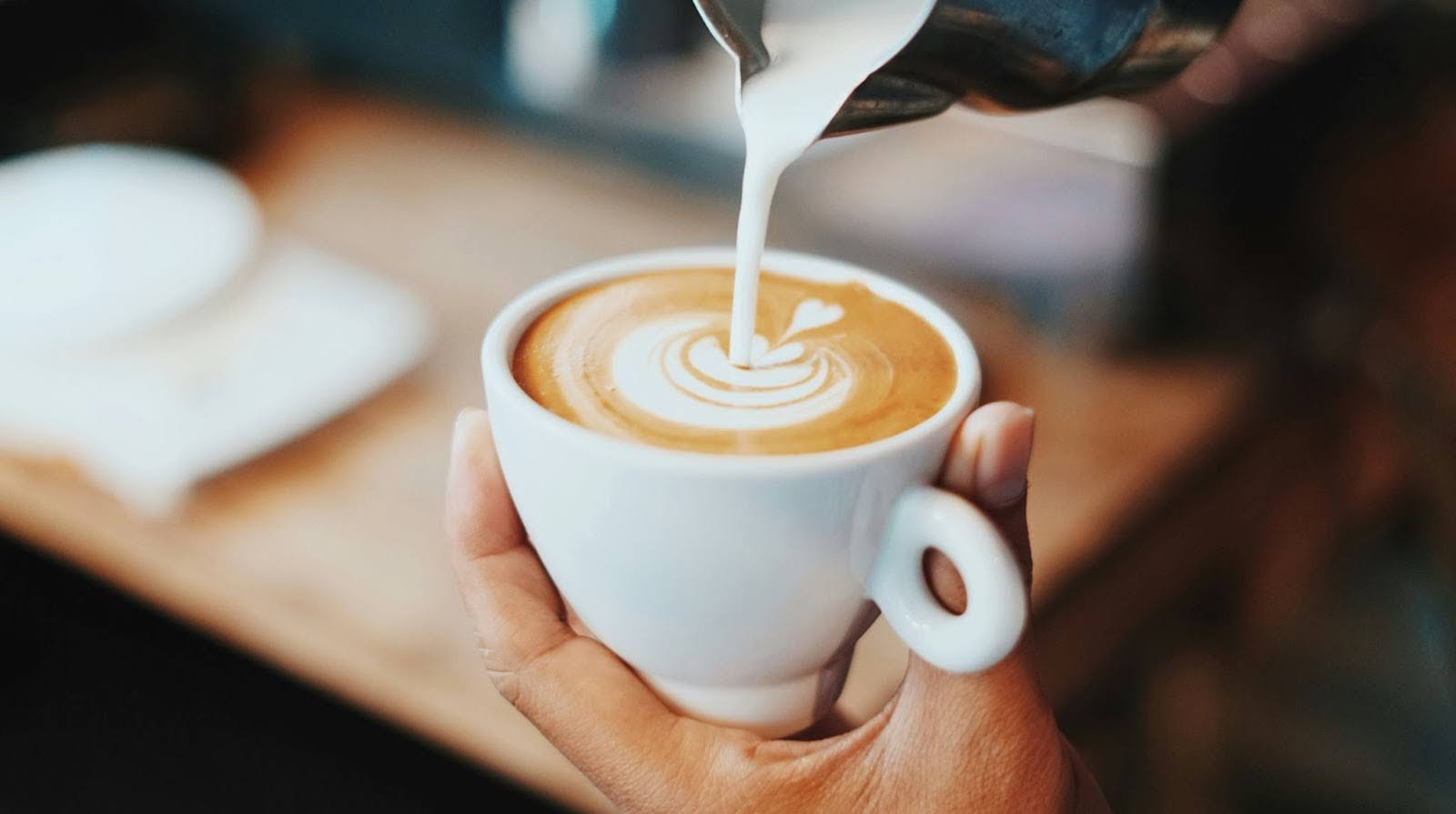
Functional beverages have moved from a niche “health store” category into everyday routines, mostly because they promise something many people want: steady focus and clean energy without the jitters, crashes, or stomach discomfort that can come with regular coffee. That interest has also expanded the definition of a “coffee alternative.” It’s no longer just decaf or tea. Now it includes mushroom coffee blends, chicory-based drinks, matcha, yerba mate, and a growing list of powdered mixes that combine caffeine with botanicals.
The tricky part is that the category is crowded with bold claims. The most useful way to compare options is to focus on what actually drives the experience: caffeine amount, how quickly it’s absorbed, what else is in the drink, and how your body responds to it across a full day rather than just in the first 30 minutes.
When someone says a drink helps with focus, they usually mean one of two things. Either it provides alertness quickly, or it supports a calmer, more sustained ability to concentrate without feeling overstimulated. Standard coffee is great at the first, but not always the second. If you’re sensitive to caffeine, a big spike can feel like productivity at first and then turn into restlessness, distraction, or a hard crash later.
That’s why “alternatives” are appealing: they’re often designed to smooth the curve. Sometimes that comes from using less caffeine. Sometimes it comes from pairing caffeine with compounds that affect perceived calm or jitteriness. And sometimes the benefit is simply that the drink is easier on the stomach, which makes the workday feel more stable.
No matter how trendy the ingredient list is, caffeine is usually the biggest driver of noticeable energy. The difference between drinks often comes down to dose and delivery. A strong brewed coffee can land hard and fast. Some alternatives deliver caffeine more gradually because of how they’re prepared or what they’re paired with. Others are naturally lower in caffeine, which can feel “cleaner” for people who want support without feeling wired.
It’s also worth remembering that caffeine tolerance is real. A drink that feels powerful the first week may feel mild a month later, especially if you’re increasing your overall intake. For most people, the best “focus beverage” is the one they can use consistently without having to keep escalating the dose.
If you want a grounding baseline on how caffeine affects the body, the Mayo Clinic overview of caffeine’s effects and common side effects is a helpful reference point for setting expectations: caffeine.
Mushroom coffee typically combines coffee (or coffee-like flavor) with extracts from functional mushrooms such as lion’s mane, reishi, chaga, or cordyceps. Some blends are fully caffeinated, while others reduce caffeine by replacing part of the coffee with mushroom ingredients or other plant-based components.
People often gravitate to mushroom coffee because it frames energy differently. Instead of “more stimulation,” the promise tends to be “balanced focus.” Some drinkers report that it feels smoother than regular coffee, which may be partly explained by lower caffeine, different acidity, or simply the fact that they’re changing their routine in a way that reduces caffeine overload.
If you’ve ever found yourself searching what is best mushroom coffee to use, it’s usually because you’re trying to separate hype from practical fit: how strong it feels, whether it tastes like real coffee, and whether it actually works for your daily schedule. That’s a better question than “what’s the strongest,” because the most useful product is typically the one you can drink regularly without side effects.
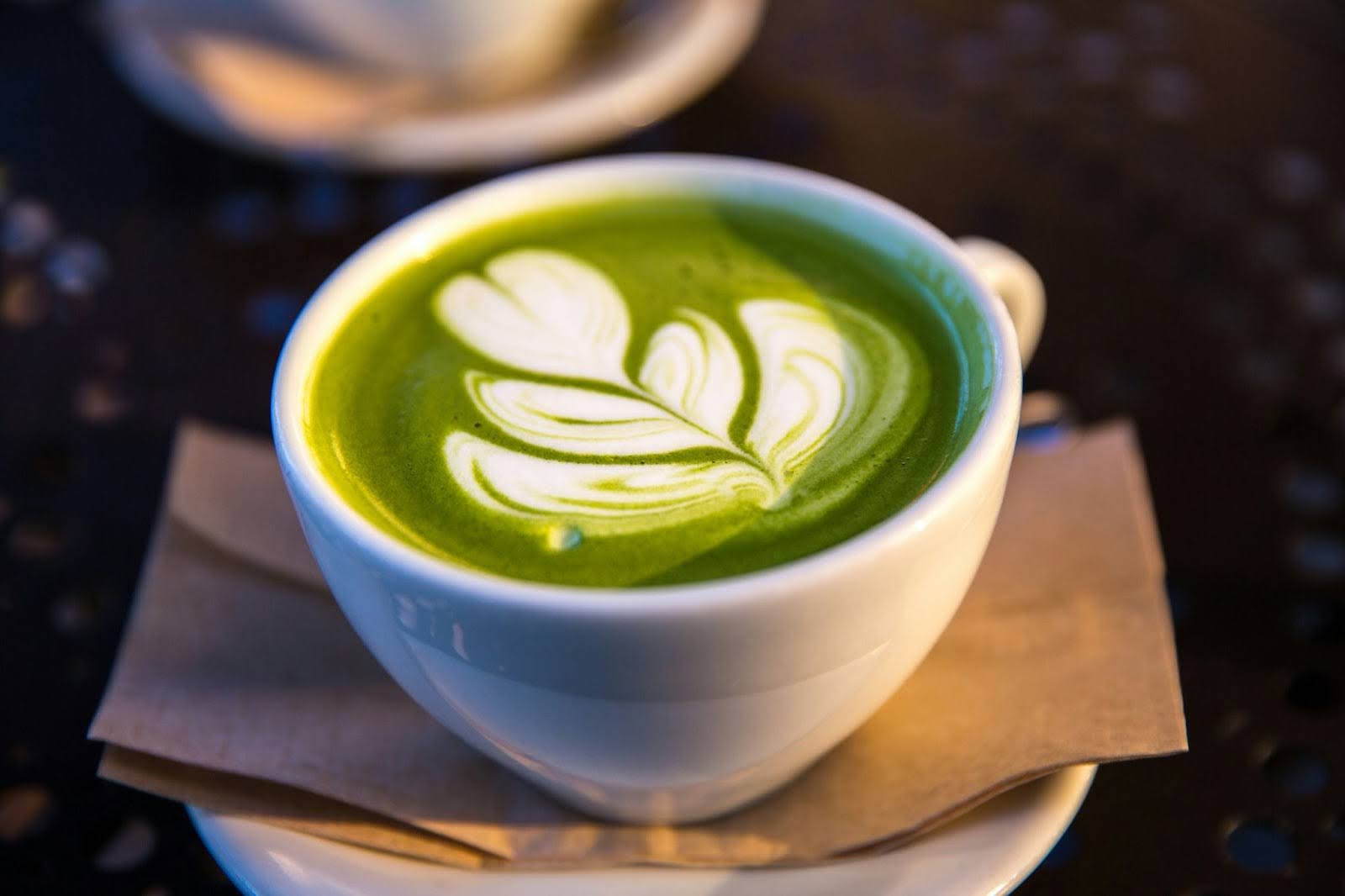
Matcha is one of the clearest examples of a coffee alternative that feels different even when it contains caffeine. Many people describe matcha as more even and less jittery than coffee. Part of that is dose, matcha often delivers less caffeine than a large coffee, but the experience also depends on how it’s consumed and how your body responds to it.
Matcha is also a ritual beverage. Preparing it tends to be slower than pouring a coffee, which changes pacing and can reduce the “slam caffeine and sprint” dynamic that leads to crashes. For people who want alertness with a steadier mood, it can be a practical middle ground.
Yerba mate sits in a different place. It’s often chosen for energy that feels motivating and social rather than purely “sit and focus.” Some people find it smoother than coffee, while others find it just as stimulating. The taste profile and drinking style matter here too. Mate can be sipped over time, which naturally spaces out intake and reduces the sharp spike that happens when you down a strong coffee quickly.
If your workday involves long stretches of collaboration, meetings, or active tasks, mate sometimes fits better than something designed for slow, quiet concentration. The best comparison isn’t “coffee vs mate.” It’s “what type of energy do I need for the next three hours?”
Some alternatives aren’t trying to replicate caffeine at all. Chicory and roasted dandelion drinks are often used when people want the comfort of a coffee-like flavor without stimulation. These are less about energy and more about keeping a routine without triggering anxiety, sleep disruption, or digestive issues.
This category is underrated because it solves a real problem: the desire for a warm, familiar drink at times when caffeine is a bad idea. If you’re trying to protect sleep, a caffeine-free option that still feels like “a real beverage” can make it easier to stop late-day caffeine without feeling deprived.
Taste and marketing are loud; the practical variables are quieter but more important. First, look at how the drink fits your timing. If you’re using it early, you might tolerate more caffeine than if you’re using it mid-afternoon. Second, pay attention to your personal sensitivity. If coffee tends to cause racing thoughts or stomach discomfort, the “best” alternative may simply be the one that removes those side effects, even if the energy feels slightly lower.
Third, consider whether you want a beverage that hits fast or one that supports steadier output. If you’re starting a sprint task, you might prefer something that feels immediate. If you’re trying to stay productive for a long block of work, the smoother option is often the smarter one.
Many people chase focus but ignore the trade-off: sleep. If a beverage helps you power through the afternoon but disrupts sleep later, it can create a cycle where you need more stimulation the next day to compensate. Over time, that pattern reduces baseline focus and increases irritability, which is the opposite of what most people want.
A good functional beverage routine supports a stable day and a stable night. That’s why “coffee alternative” discussions often end up being lifestyle discussions too. The best product isn’t the one that feels strongest at noon. It’s the one that lets you stay consistent without sacrificing recovery.
There isn’t one universal best coffee alternative. There’s a best match for your body and your schedule. Mushroom coffee blends may feel smoother for people who want a gentler coffee experience. Matcha may suit those who want calm alertness. Yerba mate may fit social or active work blocks. Chicory-based drinks may be perfect for anyone trying to keep the ritual without the stimulant.
If you compare options by how they make you feel over an entire day, focus quality, mood steadiness, digestion, and sleep, you’ll end up with a choice that’s actually sustainable, not just trendy.
Comments (0)