Vaporization vs Combustion: How Different Heating Methods Affect Experience and Exposure
7 months ago 394

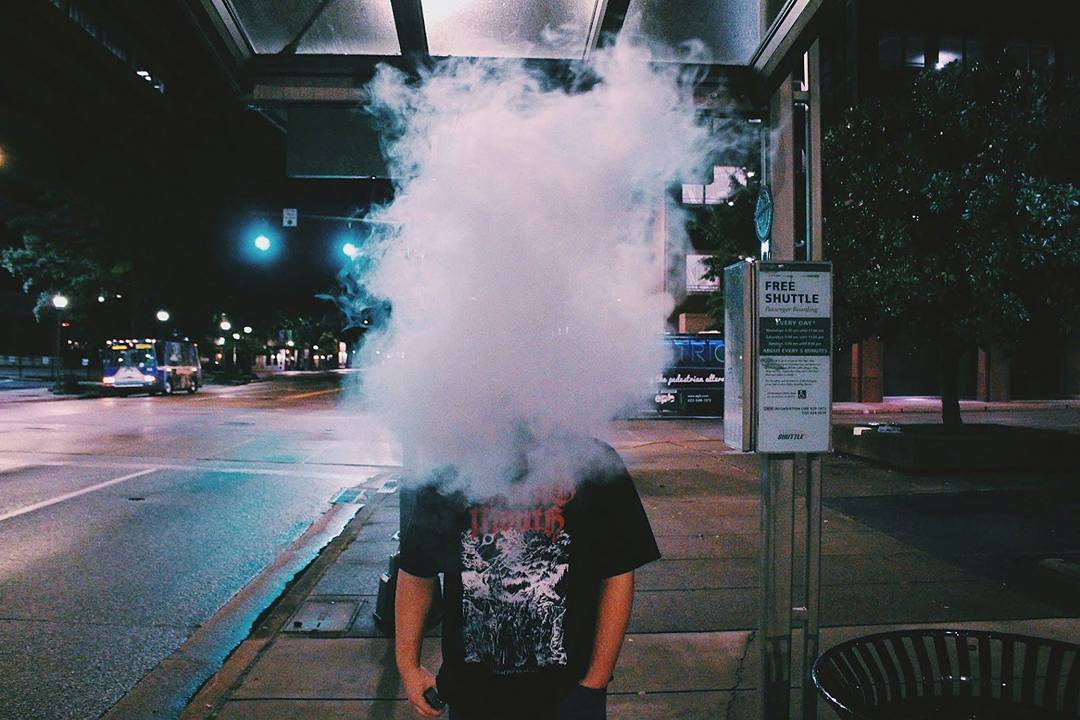
People often talk about “smoking” as if it’s one single thing, but the method matters. Heating a material until it releases an aerosol is not the same process as burning it until it turns to ash. Vaporization and combustion create different mixtures of chemicals, different sensory experiences, and different byproducts in the surrounding air. That’s why the experience can feel different even when the starting material is similar.
This topic is frequently discussed in lifestyle terms, but it’s best understood as a basic chemistry and exposure question: what happens to plant material or extracts when they are heated in different ways, and what does that mean for what the body and lungs are exposed to?
Combustion is burning. When a material burns, it produces smoke that contains not only the intended active compounds but also a large number of additional byproducts. These include tiny particles (fine particulate matter) and various combustion products formed when organic material breaks down at high temperatures.
That complexity is part of why smoke is irritating to the respiratory system. Smoke particles can deposit in the airways and trigger inflammation. The smell also tends to be stronger and more persistent because smoke carries many compounds that stick to fabric and indoor surfaces.
Vaporization generally refers to heating a material enough to release volatile compounds into an inhalable aerosol without full combustion. Because it avoids burning, vaporization can reduce certain combustion-related byproducts found in smoke, such as ash and many pyrolysis products formed at very high temperatures, which is the same technology thca vape pen uses.
That doesn’t mean vapor is “clean” or “safe.” Aerosols can still irritate the airways, and the chemical profile depends heavily on the material being heated and what else is present in the formulation. But from a process standpoint, vaporization tends to produce a different mix than smoke because the temperature and mechanism are different.
High temperatures can increase harshness. When inhaled air is hotter or drier, it can feel more irritating. Combustion typically produces very hot smoke, while many vaporization systems produce cooler aerosols. That difference can influence the perceived “smoothness” and throat irritation.
However, the relationship isn’t straightforward. Some aerosols can still feel harsh depending on solvents, additives, or other components, and some combustion methods can feel less harsh when diluted with air or used in well-ventilated settings. The main takeaway is that “method” affects the thermal and chemical properties of what is inhaled.
Combustion smoke tends to linger. It spreads through rooms, clings to clothing, and leaves residue on surfaces. Vapor aerosols may dissipate faster and produce less persistent odor, but they can still leave residues, especially near repeated use and on nearby surfaces. The idea that vapor “doesn’t leave anything behind” is a misconception; it may leave less noticeable residue, but it is not necessarily absent.
For people concerned about indoor air quality, either method can affect bystanders. In enclosed spaces, ventilation and frequency of exposure matter more than people expect.
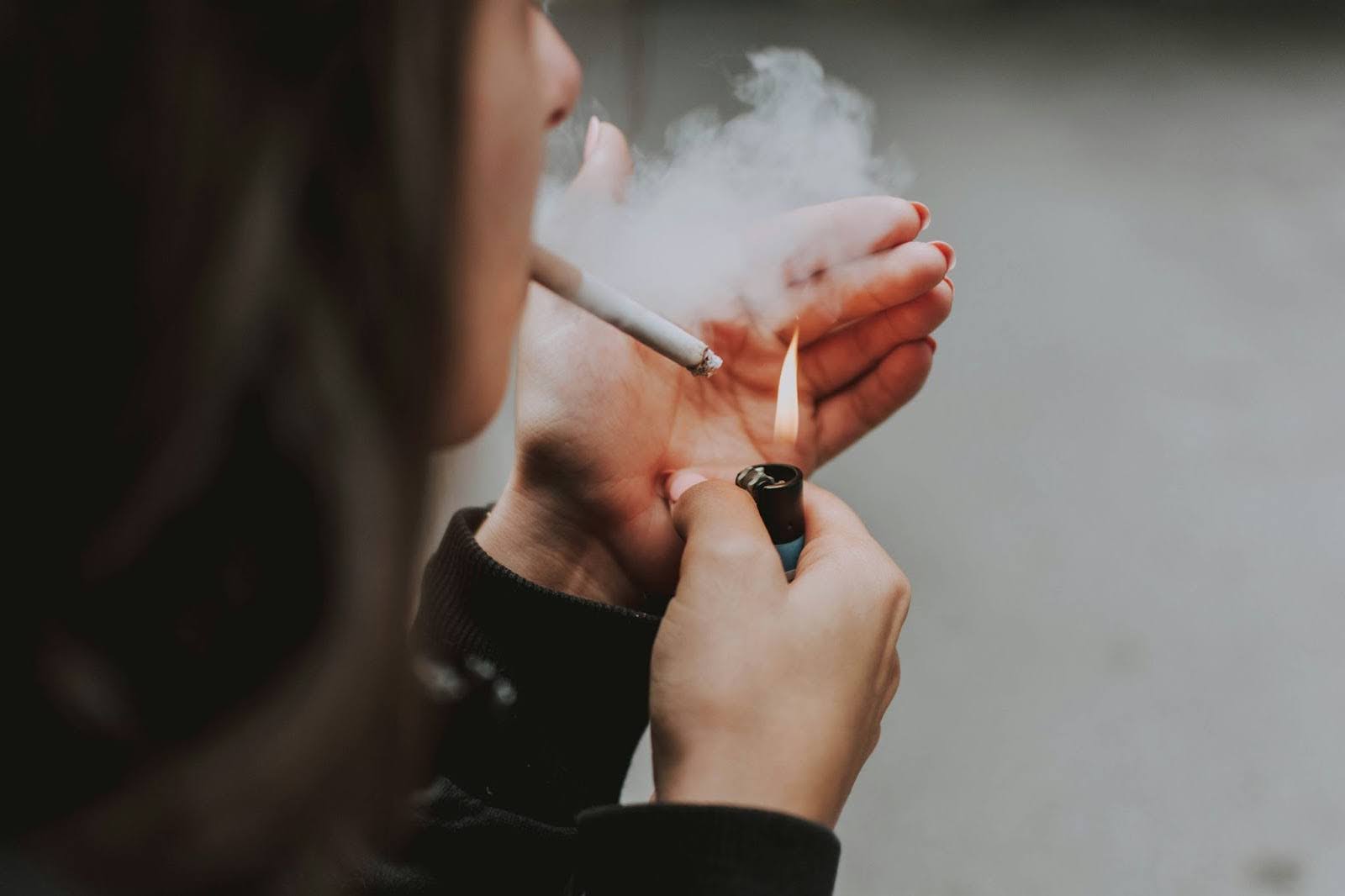
A key difference between smoke and aerosol is particle composition and size distribution. Smoke contains a complex mixture of particles formed through burning, while vaporization aerosols are often droplets or condensed compounds. Both can deliver material deep into the lungs.
From an exposure viewpoint, repeated inhalation of any aerosol can increase respiratory irritation, especially for people with asthma, chronic bronchitis, or heightened sensitivity. The lungs are designed for air, not repeated exposure to heated particulates or droplets.
Discussions that focus only on “vapor vs smoke” can miss the bigger factor: what the product contains. Plant material, oils, and concentrates have different impurity profiles. Some formulations may include additives that change how the aerosol behaves and how it affects the airway. Even with the same method, the exposure profile can change dramatically based on the starting material.
That’s why truly “neutral” education emphasizes uncertainty and variability. The method affects what’s produced, but the contents determine a large portion of the risk profile.
Many of the subjective differences people report, taste, throat feel, odor intensity, and the sense of “heaviness”, can be explained by changes in chemical composition and temperature. Combustion produces a stronger “smoke signature,” while vaporization often emphasizes certain volatile compounds. That can change flavor and smell, and it can also change how the body perceives the inhalation.
Perception can also be shaped by context, expectations, and pacing. Inhalation methods tend to produce faster feedback than edible methods, which can reinforce a sense of control even when impairment still occurs.
The cleanest scientific distinction is simple: combustion burns material and produces smoke with many byproducts; vaporization heats material to produce an aerosol that may contain fewer combustion-related compounds but is not inherently harmless. Both methods can irritate the respiratory system and affect indoor air quality. If someone is seeking information, the safest framing focuses on exposure, variability, and the fact that “less smoke” is not the same as “no risk.”
Comments (0)