Why Cannabis-Infused Beverages Are Changing How People Consume Edibles
5 months ago 384

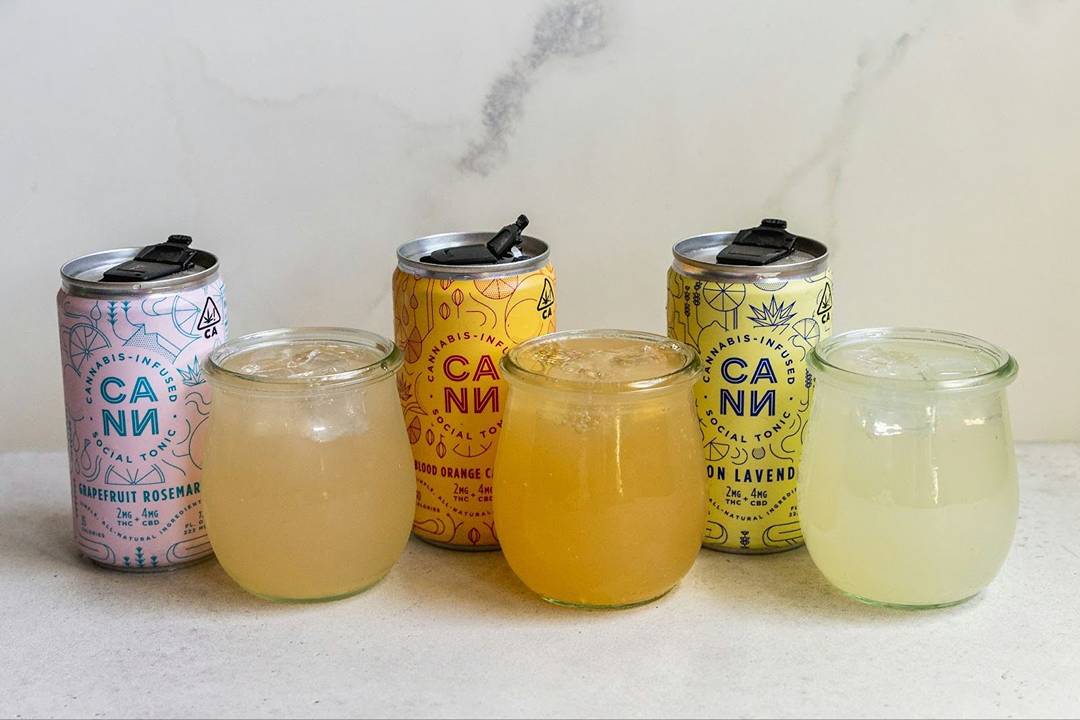
Cannabis-infused beverages are one of the clearest signs that the edible category is evolving. For years, “edibles” meant a narrow set of formats, typically treated as a distinct experience with its own rules: delayed onset, long duration, and a higher risk of overconsumption when people misunderstand timing. Beverages such as THC seltzer are changing that mental model. They look familiar, they fit into existing social rituals, and they borrow the language of everyday drinks. That familiarity is a big part of their appeal, and also a big part of why clear education matters.
Food-based edibles can feel like a commitment. They often come as sweets, baked goods, or concentrated portions that don’t resemble anything in a typical fridge. Beverages, by contrast, slide easily into routines people already have: grabbing a can, pouring over ice, sipping slowly, socializing. The format feels intuitive, and that can reduce the psychological barrier for people who would never consider a traditional edible.
That “normalization by packaging” has consequences. When something looks like a standard drink, people can underestimate the fact that it can still cause impairment and that effects may not match expectations.
One reason edibles have a reputation for being unpredictable is the delay between consuming them and feeling effects. That delay can encourage people to take more too soon. Beverages change the expectation because people associate drinks with faster feedback. Whether or not a particular product actually feels faster, the assumption can influence behavior: people may expect a more immediate onset simply because they’re sipping a drink rather than eating a candy or baked item.
In educational terms, this matters because misunderstanding timing is one of the most common causes of negative experiences. When people assume a quick effect and don’t feel it, they may make choices that increase risk later.
A typical edible is consumed in a short burst: one portion, then you wait. A beverage often encourages gradual consumption. That pacing can feel gentler and more controllable, people may stop, resume, or adjust their pace based on how they feel. In theory, that could reduce the “all at once” effect that sometimes happens with traditional edibles.
But pacing can also create ambiguity. If someone sips over an hour, it can be harder to pinpoint when effects began, how strong they are, and whether they’re still building. That ambiguity makes it easier to misjudge impairment.
Many adults already have established “drink moments”: after work, at a gathering, at a meal, at an event. Cannabis beverages are often positioned as an alternative that fits the same script. That can shift consumption from something private and deliberate to something social and routine.
The public-health challenge is that social settings can reduce self-monitoring. People talk, snack, move around, and mirror others. It becomes easier to lose track of how much was consumed and when.
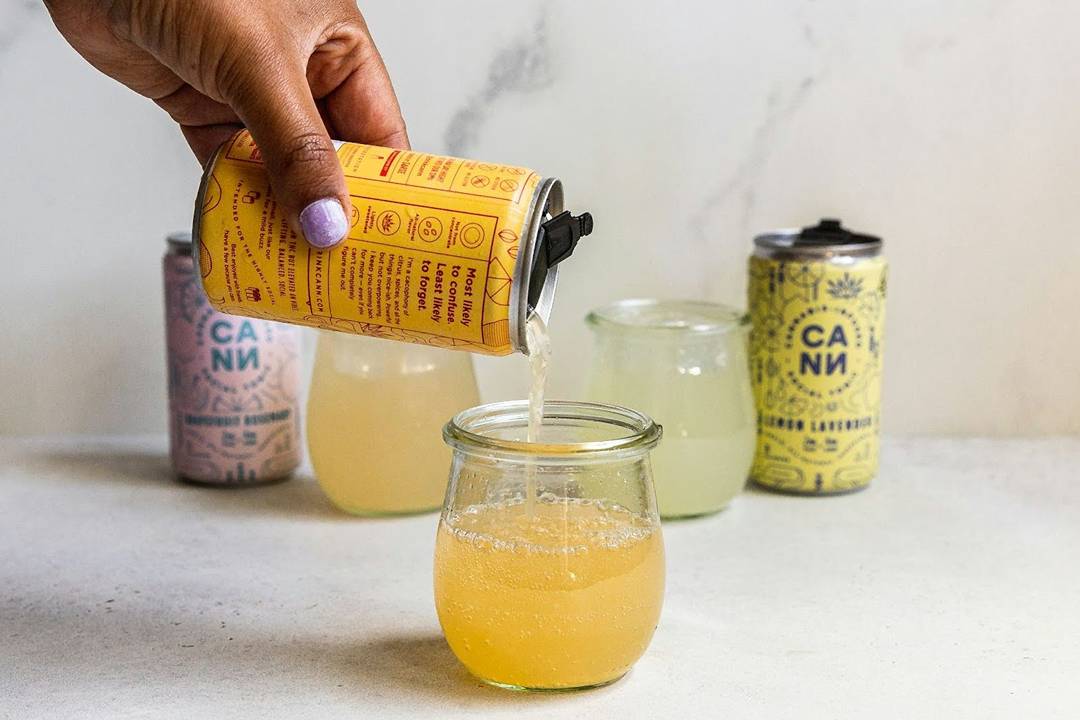
A sweet edible already signals “this is a special product.” A beverage can look like a standard flavored seltzer, sparkling water, or soda. When branding emphasizes refreshment, fruit flavor, or wellness-adjacent language, the psychoactive aspect can feel secondary, even if it’s the point of the product.
This doesn’t mean beverages are inherently more dangerous. It means the communication needs to be clearer because the cues people rely on to assess risk (like “this looks like a drug product”) are weaker.
Edible education is often about patience, portion awareness, and respecting delayed onset. Beverages introduce new questions: what counts as a “serving” when a drink is consumed gradually? How do people interpret strength when the product looks like a normal can? How easily can someone compare one beverage to another if labeling is inconsistent across regions?
As beverages expand, “dose literacy” becomes less about one moment of consumption and more about understanding that impairment can build over time, even when consumption feels casual.
The rise of beverages is sometimes framed as making cannabis “more mainstream.” But mainstreaming does not eliminate risk; it changes the contexts in which risk appears. When a product is more integrated into everyday routines, it becomes more important to emphasize basic safety principles: impairment can affect coordination and judgment, timing can be delayed, and effects can last longer than expected.
That’s especially true because beverages are often consumed in situations where people might otherwise drink alcohol. Substitution may reduce certain risks, but it can also introduce new ones if people treat cannabis effects as identical to alcohol effects.
Cannabis beverages aren’t just another edible format; they’re a signal that the category is moving toward familiar consumer packaged goods patterns, flavors, branding, lifestyle associations, and routine-friendly packaging. That direction will likely increase adoption in markets where cannabis is legal and normalized.
At the same time, the more “normal” the product looks, the more important it is to communicate what’s different: onset can still be delayed, impairment can still be significant, and the social context of consumption can make misjudgment easier.
Comments (0)