Signs of Nursing Home Abuse and Neglect Families Should Never Ignore
5 months ago 278

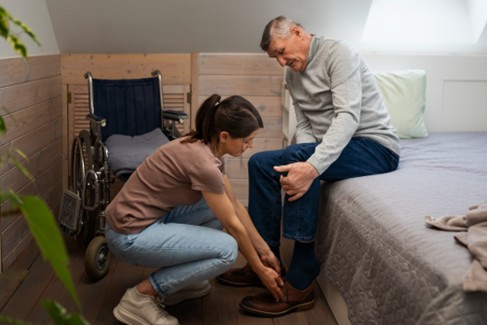
Family members trust nursing homes to treat their elderly members with proper care, respect, and dignity. Unfortunately, that isn’t always the case; one out of five residents in nursing homes has to put up with some form of abuse.
One of the common complaints about nursing homes is poor living conditions, like unclean, unsanitary rooms, understaffed homes, and abuse, neglect, and mistreatment.
Whenever you visit your elderly family members in nursing homes, if you notice some specific signs from them, that means they’re being abused or neglected. We are going to discuss what these signs usually are in detail.
Nursing home abuse and neglect can wreck a resident psychologically. Constantly being subjected to abuse and neglect induces depression or anxiety. Obvious signs of psychological abuse include:
Physical signs that your elder family member is abused or neglected are the most obvious ones and easy to notice. These physical signs can be:
If you notice visible cuts, injuries, scars, fractures, and burn marks, take it very seriously. This can mean that the resident is either being physically abused by the staff or the nursing home is understaffed with poor supervision, so they’re more likely to fall and injure themselves when help is needed.
The nursing home staff usually never report these injuries when they’re legally required to. They may even deny the occurrence of the physical injuries, so always document them as soon as you see frequent body marks with a cycle of healing and injuring again.
If you notice worsened infections, poor dental or oral care, and defective hearing aids, it indicates that the nursing facility is ignoring the necessary medical care for the resident.
It’s common for elderly people to be prone to infections and frequent health defects, so if you notice a resident’s condition becoming more aggravated, it means their medical appointments and needs are neglected.
Noticing poor personal hygiene like bad odor and unclean clothes indicates the resident is ignored when they need help with baths and need proper clean clothes.
Dirty bathrooms, odors in the facility, broken equipment that residents need, mold in walls, or any damaged area in the facility and the presence of pests indicate unsanitary and unsafe living environments.
If you notice sudden weight loss, that can mean a few things:

If you notice genital scars or trauma, bruises on breasts, unexplained STDs, and signs of PTSD, it means that the resident has gone or is going through sexual abuse. Most residents are unable to say it out loud for obvious reasons, making it easier for abusers to keep the abuse hidden.
When you notice unauthorized funds and unpaid bills, they might be exploited financially by a staff member.
As soon as you see the signs of abuse and neglect, document the evidence and contact a personal injury lawyer who specializes in nursing home abuse cases. They know how to seek justice for your elderly family member and guide you and your family through the legal process.
Sudden agitation, mood swings, and being afraid of staff members are behavioral signs of nursing home abuse and neglect.
Physical signs of abuse and neglect can be sudden injuries, bedsores, and looking drowsy.
Worsened infections indicate that the resident’s medical care is neglected.
Unclean and damaged environments and poor hygiene of the resident are signs of unsanitary and unsafe conditions.
Sudden weight loss and dehydration show that their nutritional and hydration needs are ignored.
Genital and breast bruises, STDs, and PTSD are signs of sexual abuse.
Sudden unexplained transferred funds are a sign of being financially exploited.
Comments (0)