The Psychology of Dressing Well: How Clothing Impacts Mood and Confidence
5 months ago 317

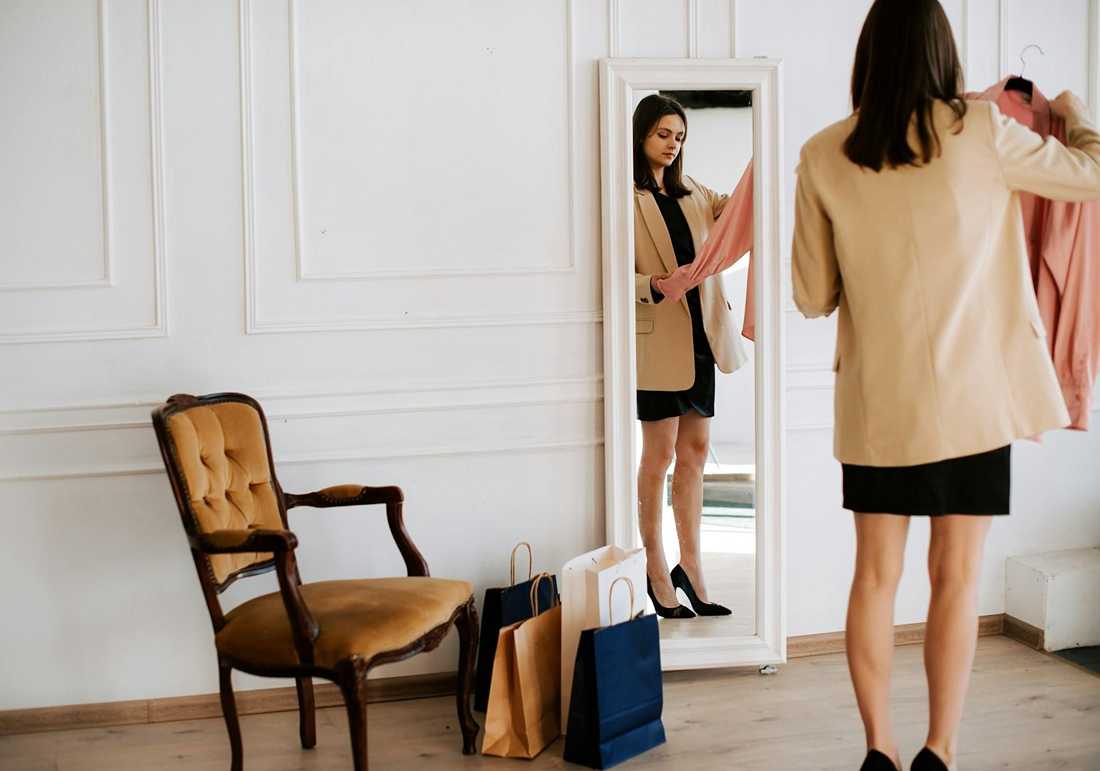
What we wear each day might seem like a simple personal choice, but research and real-life experience both suggest it carries deeper psychological weight. Clothing can influence how we feel about ourselves, how others perceive us, and even how we behave in social settings. For many people, dressing well is not about vanity, it is about self-expression, dignity, and emotional well-being.
This is especially noticeable when people prepare for meaningful occasions. Whether attending a family gathering, a community event, or a place of worship, individuals often choose outfits that make them feel confident and put together. For example, some people thoughtfully select formal attire like Designer Church Suits for special services or celebrations, not just for style but for the sense of pride and confidence these outfits bring. These choices reflect a broader psychological truth: clothing can shape mood, mindset, and self-esteem in subtle but powerful ways.
Clothing is one of the most immediate ways we express identity. Colors, styles, and levels of formality communicate messages about personality, culture, and values. Even when we are not consciously thinking about it, our wardrobe choices reflect how we see ourselves, or how we want to be seen.
Psychologists often refer to this as “enclothed cognition,” a concept suggesting that clothing influences the wearer’s psychological processes. When people dress in a way that aligns with how they want to feel, professional, elegant, relaxed, or confident, they often begin to embody those traits.
For instance, wearing structured, well-fitted clothing can create a sense of readiness and competence. Comfortable but neat attire can promote calm and focus. On the other hand, wearing clothes that feel sloppy or mismatched to the occasion can sometimes lower confidence or increase self-consciousness.
Mood and clothing share a two-way relationship. Our mood can influence what we choose to wear, and what we wear can influence our mood in return.
Many people intuitively dress differently depending on how they feel. On low-energy days, they might reach for comfort. On important days, they might put extra effort into their appearance. Interestingly, putting in that extra effort can actually help lift mood.
According to public health perspectives from organizations like the National Institute of Mental Health (NIMH), small daily habits that support self-esteem and routine can positively influence mental wellness. While clothing alone is not a mental health treatment, it can be part of a broader self-care framework that helps people feel more in control and positive about their day.
Putting on an outfit that feels intentional can signal to the brain that the day has purpose. It can encourage productivity, social interaction, and a more engaged mindset.

Confidence often grows from feeling comfortable in one’s own skin, and clothing can support that feeling. When people believe they look presentable, they tend to carry themselves differently. Posture improves, eye contact increases, and communication becomes more assured.
This matters in social settings. Humans are social beings, and much of our emotional health is tied to how we connect with others. Feeling appropriately dressed for an occasion can reduce anxiety and make social interaction smoother.
Consider events where people naturally dress up: weddings, religious services, graduations, or celebrations. These are often moments tied to community and belonging. Dressing well for such events can reinforce a sense of respect for the occasion and for oneself.
Daily routines provide structure, and structure supports mental well-being. Simple acts like grooming and dressing intentionally can act as mental anchors, especially during stressful or uncertain times.
During periods when people work from home or experience lifestyle disruptions, many notice that staying in sleepwear all day can blur boundaries and lower motivation. Changing into daywear, even if staying home, helps establish a psychological shift from rest mode to active mode.
This doesn’t mean dressing formally every day. Rather, it highlights the value of intentionality. Choosing clothes with awareness can help mark transitions in the day and maintain a sense of normalcy.
Clothing also holds cultural and emotional meaning. Traditional attire, formal wear, and occasion-specific outfits often connect people to heritage and personal history. Wearing certain garments can evoke pride, nostalgia, or spiritual connection.
For many, dressing up for religious or cultural gatherings is a long-standing tradition. These practices are not only about appearance but about honoring moments that carry emotional weight. The ritual of preparing oneself outwardly can mirror inward preparation and reflection.
Such traditions can strengthen identity and belonging, both of which are important for emotional health.
While much of the discussion focuses on psychology, there are also practical benefits. Dressing appropriately for weather, activity, and setting supports physical comfort and health. Breathable fabrics, proper layering, and suitable footwear all contribute to overall well-being.
Moreover, maintaining clean, well-kept clothing supports hygiene and skin health. These everyday considerations reinforce the idea that clothing choices intersect with wellness in multiple ways.
It’s important to note that the psychology of dressing well is not about pressure or perfection. No one needs an expensive wardrobe to benefit from these effects. The goal is not to impress others but to feel aligned with oneself.
Healthy engagement with appearance should come from self-respect, not comparison. When clothing becomes a tool for confidence and self-expression rather than stress, it serves its psychological purpose best.
Mental well-being is shaped by many small daily factors: sleep, nutrition, movement, social connection, and yes, even clothing. While what we wear may seem minor compared to larger health behaviors, it can quietly influence how we feel and function.
Choosing clothes that make you feel comfortable, confident, and appropriate for your day can be a simple but meaningful act of self-care. It signals that you value yourself and your presence in the world.
In the end, dressing well is less about fashion and more about how we show up for our lives. When approached with intention, it can support mood, confidence, and a stronger sense of identity, all valuable components of overall wellness.
Comments (0)