How Safe Outdoor Work Habits Protect Your Physical Health
7 months ago 364

Spending time outdoors doing yard work, home projects, or property maintenance can be one of the most rewarding ways to stay active. From gardening and landscaping to cutting firewood or maintaining large outdoor spaces, these activities combine fresh air, movement, and a sense of accomplishment. Many people who take on these tasks regularly also spend time researching tools and safety guidance on resources like equipment-outfitters.com/, since having the right equipment and knowledge can make outdoor work both safer and more effective. What often goes unrecognized, however, is how closely safe outdoor work habits are tied to physical health.
Outdoor chores are sometimes viewed as simple routines, yet they involve physical exertion, sharp tools, heavy lifting, and prolonged exposure to the elements. Without proper habits, these tasks can lead to strains, injuries, or longer-term health issues. With the right approach, though, they can support strength, mobility, and overall wellness.
Outdoor work naturally encourages movement. Tasks like raking leaves, digging soil, trimming branches, or pushing a mower engage multiple muscle groups. They promote cardiovascular activity, coordination, and flexibility. For people who do not enjoy structured exercise, yard work can be a practical and enjoyable alternative.
Public health guidance from organizations like the Centers for Disease Control and Prevention (CDC) emphasizes that regular physical activity supports heart health, weight management, and mental well-being. Outdoor chores can contribute to recommended activity levels when done consistently and safely.
The key word is safely. Physical benefits only outweigh risks when the body is protected from overexertion and injury.
Many outdoor injuries happen not because tasks are inherently dangerous, but because people underestimate them. Lifting heavy bags of soil, operating cutting tools, or working in awkward positions can strain muscles and joints.
Some of the most common risks include:
These risks increase when people rush, skip protective gear, or work while fatigued. Recognizing these hazards is the first step toward prevention.
How you move matters as much as what you do. Using proper body mechanics reduces stress on joints and muscles.
For example, when lifting heavy objects, bending at the knees rather than the waist helps protect the back. Keeping loads close to the body improves balance and reduces strain. Alternating tasks instead of repeating one motion for hours prevents overuse injuries.
Small adjustments in posture and technique can make a big difference over time, especially for people who perform outdoor work regularly.
Outdoor work often takes place in warm or sunny conditions. Heat-related illness is a real concern, particularly during summer months.
Health authorities like the National Institute for Occupational Safety and Health (NIOSH) warn that prolonged physical activity in hot environments can lead to dehydration, heat exhaustion, or heat stroke. These conditions can develop gradually and become serious if ignored.
Practical precautions include:
Listening to the body is essential. Dizziness, excessive sweating, or fatigue are signs to rest.
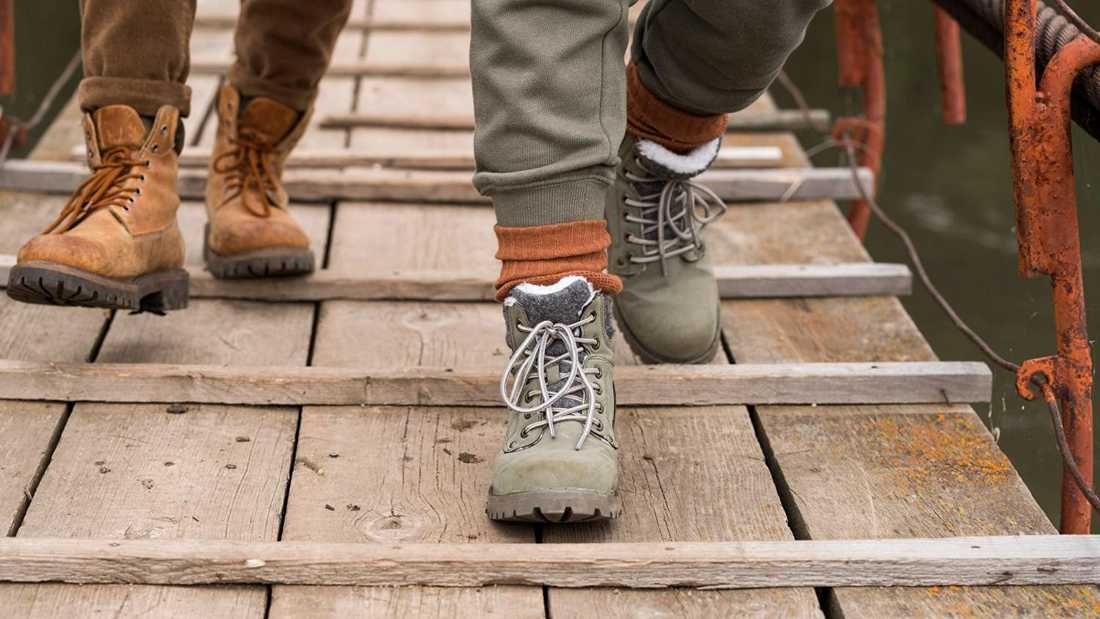
Simple protective equipment can prevent many injuries. Gloves reduce the risk of cuts and blisters. Safety glasses protect eyes from debris. Supportive footwear lowers the chance of slips and provides stability on uneven terrain.
Hearing protection may also be necessary when using loud equipment. Repeated exposure to high noise levels can affect long-term hearing health.
Protective gear is sometimes overlooked for quick tasks, yet many accidents happen during short, routine jobs when people assume “it will only take a minute.”
One overlooked safety habit is pacing. Outdoor projects often feel satisfying, which can tempt people to push beyond their limits. However, fatigue reduces coordination and reaction time, making accidents more likely.
Breaking projects into smaller sessions allows the body to recover. Stretching before and after physical work can also support flexibility and reduce soreness.
Rest is not a sign of weakness; it is part of working responsibly.
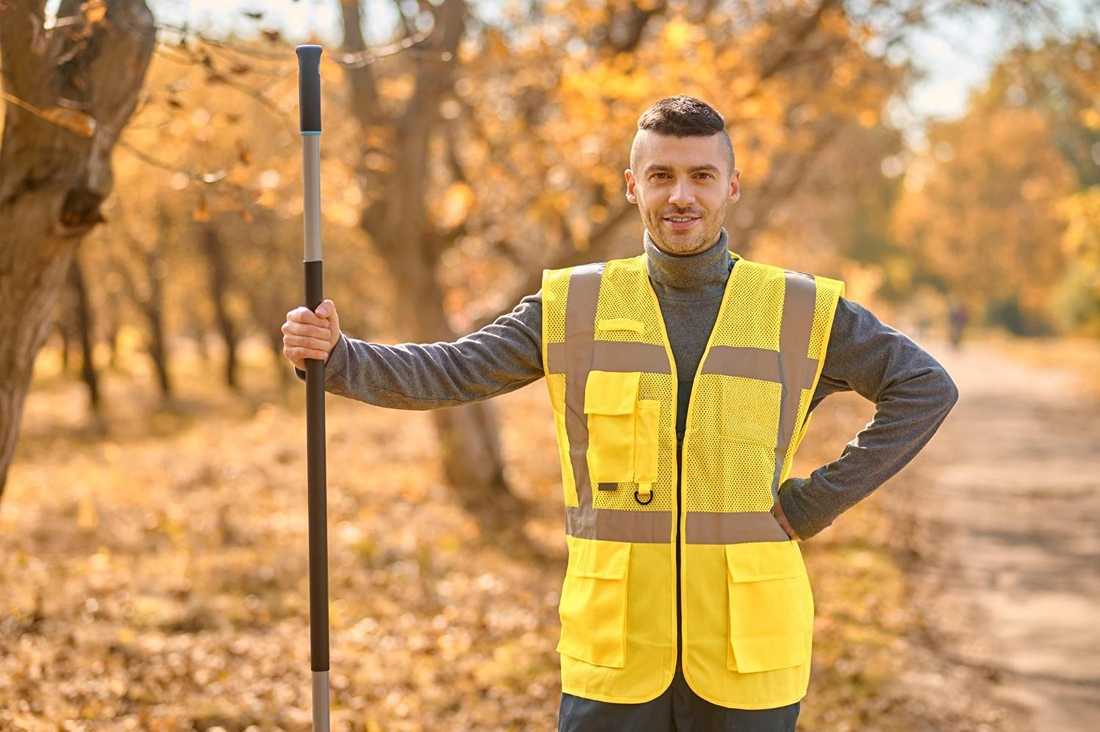
Beyond physical health, safe outdoor activity supports mental well-being. Time spent outdoors is associated with reduced stress and improved mood. Sunlight exposure helps regulate sleep cycles, and physical movement can boost endorphins.
When outdoor work is approached safely, it becomes a positive outlet rather than a source of strain. The sense of completing tangible tasks, planting, building, maintaining, can provide satisfaction and calm.
Safe outdoor work habits are not about avoiding activity; they are about sustaining it. When people protect their bodies, they can continue enjoying these tasks for years without chronic pain or repeated injuries.
Healthy habits include:
These habits turn outdoor work into a sustainable form of physical activity rather than a health risk.
Preventive health is not only about medical checkups and nutrition. It is also about how we treat our bodies during everyday activities. Outdoor work, when done thoughtfully, supports strength, mobility, and mental clarity. When done carelessly, it can lead to avoidable injuries.
Public health organizations consistently emphasize prevention because it reduces long-term health burdens. Safe habits during physical tasks are part of that preventive approach.
Ultimately, outdoor work should enhance health, not compromise it. With the right preparation, awareness, and pacing, these activities can remain a valuable part of an active lifestyle. They offer movement, fresh air, and a sense of purpose, all important components of well-being.
By treating safety as a routine part of outdoor work rather than an afterthought, people can protect their physical health while still enjoying the many benefits of working outside.
Comments (0)