The Hidden Health Benefits of a Clean Living Space
5 months ago 300


A clean home is often associated with comfort, appearance, and organization, but its impact goes far beyond aesthetics. The condition of our living spaces quietly influences respiratory health, skin health, stress levels, sleep quality, and even how often we get sick. Many people focus on diet and exercise as pillars of wellness, yet overlook how daily home hygiene contributes to overall well-being.
Interestingly, even routine chores like laundry play a role. Clothing, towels, and bedding come into close contact with our bodies every day, which is why more people are paying attention to proper washing methods and even searching for practical guidance on how to use laundry pods when trying to keep fabrics both clean and safe. Small details like these add up, shaping the health environment we live in.
A growing body of public health guidance emphasizes that the home is one of the most important environments for disease prevention and long-term wellness. Clean living spaces don’t just feel better, they function better for our bodies and minds.
One of the least visible yet most important benefits of a clean living space is improved indoor air quality. Dust, pet dander, mold spores, and chemical residues can accumulate easily, especially in closed environments. When not managed, these particles circulate in the air and can irritate the lungs.
Government health agencies such as the U.S. Environmental Protection Agency (EPA) have long warned that indoor air can sometimes be more polluted than outdoor air. Poor indoor air quality is associated with allergies, asthma flare-ups, headaches, and respiratory discomfort.
Regular cleaning reduces the buildup of airborne irritants. Vacuuming with proper filters, washing fabrics frequently, and keeping humidity under control all help maintain healthier air. Even something as simple as laundering curtains or bedding regularly can significantly reduce allergen levels.
Another hidden benefit of a clean home is infection control. High-touch surfaces like door handles, countertops, remote controls, and light switches can harbor bacteria and viruses. Without routine cleaning, these surfaces become transmission points.
Public health organizations like the Centers for Disease Control and Prevention (CDC) consistently highlight that routine household cleaning helps reduce the spread of infectious diseases. This became especially clear during global health crises, but it applies equally to everyday illnesses like colds, flu, and stomach bugs.
Laundry hygiene is part of this picture. Towels, gym clothes, and bedding can collect sweat, skin cells, and microbes. Washing them properly prevents bacteria from multiplying and spreading. Clean fabrics also reduce the chance of skin irritation and unpleasant odors that come from microbial growth.
Skin is the body’s largest organ, and it interacts constantly with our environment. Dirty fabrics, dusty furniture, and unclean bedding can all affect skin health. For people with sensitive skin, eczema, or allergies, this impact can be even more noticeable.
Residue from sweat, detergents, or dirt trapped in fabrics may contribute to irritation. Regularly washing clothes and linens using appropriate methods helps remove these irritants. Clean pillowcases and sheets, for example, can reduce acne triggers and skin discomfort.
Maintaining a clean environment isn’t about sterility; it’s about minimizing unnecessary exposure to irritants that accumulate over time.
Cleanliness also has psychological benefits. A cluttered or dirty space can subtly increase stress and mental fatigue. Visual chaos competes for attention, making it harder to relax or focus.
Several public health and housing studies have noted a link between organized living environments and improved mental well-being. While a perfectly spotless home isn’t necessary, consistent upkeep contributes to a sense of control and calm.
Simple habits, putting items away, wiping surfaces, and staying on top of laundry, reduce the mental load of unfinished tasks. Many people report feeling more productive and less overwhelmed in tidy environments.
Sleep quality is influenced by more than just mattresses and pillows. The cleanliness of the sleep environment matters too. Dust mites in bedding, allergens in the air, or stale fabrics can interfere with restful sleep.
Regularly washing sheets and blankets helps remove allergens and keeps the sleep space fresh. Clean, well-maintained bedrooms also feel more inviting and relaxing, which supports healthier sleep routines.
For individuals with allergies or asthma, maintaining a clean bedroom can make a noticeable difference in nighttime comfort.
A clean home often encourages other positive behaviors. People are more likely to cook healthy meals in a clean kitchen, exercise in a tidy space, and maintain personal hygiene when their environment supports those routines.
Clean environments create a feedback loop: order promotes healthy choices, and healthy choices promote better upkeep. This cycle supports long-term wellness without requiring dramatic lifestyle changes.
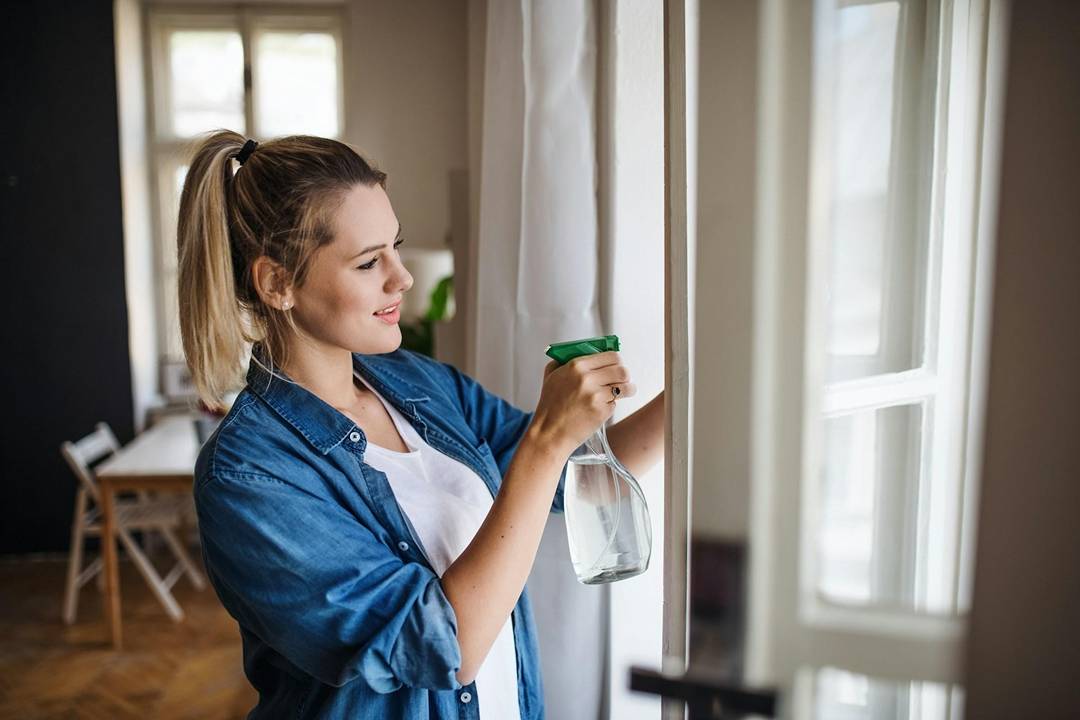
The good news is that you don’t need extreme cleaning routines to enjoy these benefits. Consistency matters more than intensity. Small, repeatable habits are what truly shape a healthy living space.
Examples include:
These actions don’t require special skills, just awareness and routine.
Many people think of healthcare as something that happens in clinics or hospitals. In reality, preventive health starts at home. Clean environments reduce exposure to irritants and pathogens, support mental clarity, and contribute to better rest.
Government health organizations consistently emphasize hygiene and sanitation as foundational to public health. While we can’t control every exposure in the outside world, we can shape our home environment to support wellness.
A clean living space is not about perfection or appearance. It’s about creating an environment that quietly protects and supports your health. From cleaner air and fewer germs to improved sleep and lower stress, the benefits are both physical and psychological.
Most importantly, these benefits are accessible. They don’t require expensive tools or complicated systems. They come from simple, thoughtful routines repeated over time.
When viewed this way, cleaning is no longer just a chore. It becomes part of a wellness lifestyle, one that helps you feel better, breathe easier, and live more comfortably in your own space.
Comments (0)