What Consumers Look for When Choosing CBD Gummies Today
5 months ago 470

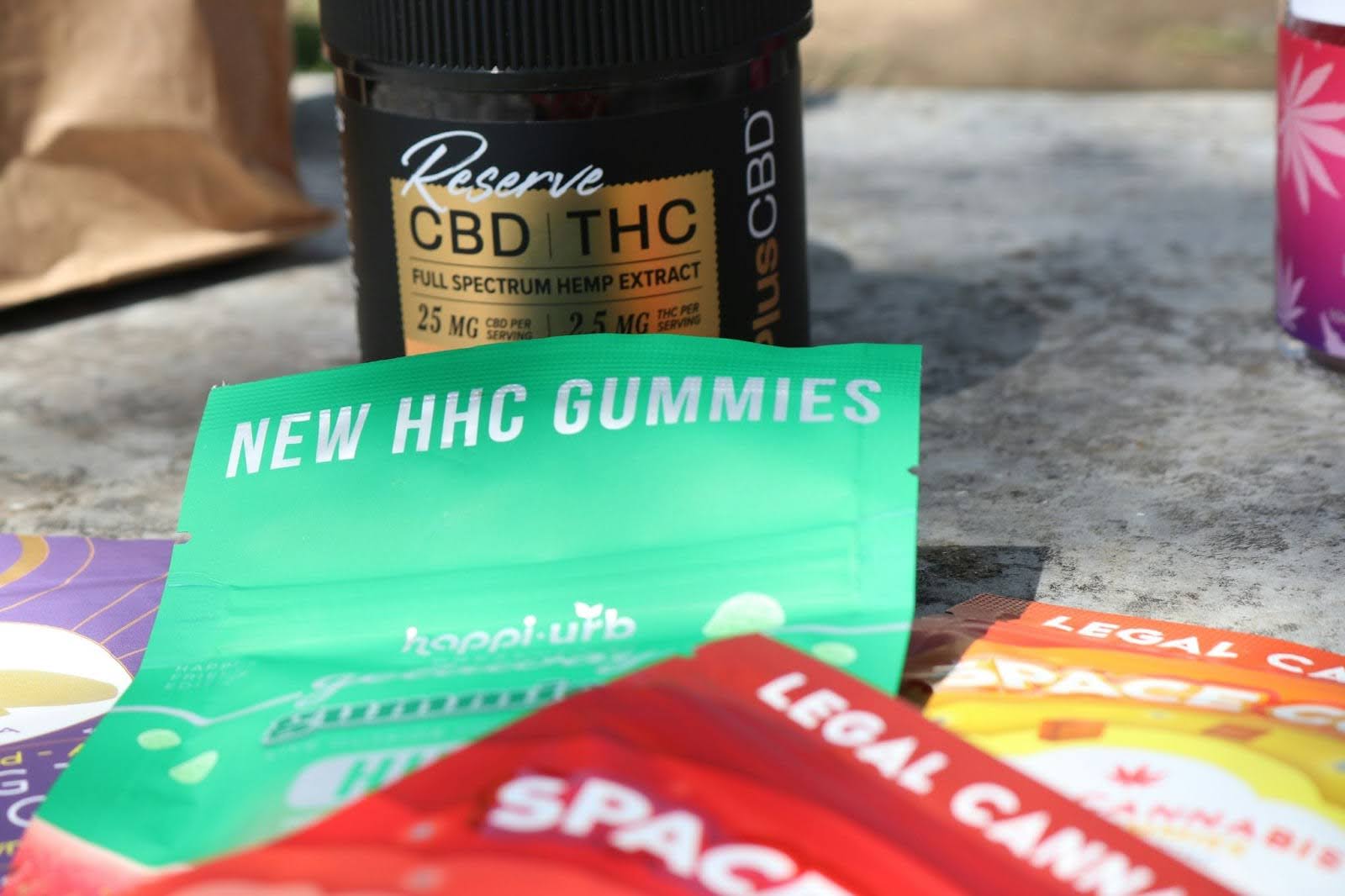
Interest in cannabidiol products has expanded rapidly over the past decade, moving from niche wellness circles into mainstream consumer awareness. Among the many formats now available, gummies have become one of the most recognizable. Their popularity is not accidental. It reflects broader shifts in how people approach wellness products, how they assess credibility, and how everyday habits shape purchasing decisions.
What stands out is that consumer interest is no longer driven solely by novelty. As the category matures, expectations have changed. People are less focused on simply trying CBD and more concerned with how these products fit into daily routines, such as Medterra, personal preferences, and broader ideas of safety and transparency.
One reason gummies attract attention is their familiarity. Gummies resemble ordinary confectionery, which lowers the barrier to entry for people who might otherwise feel hesitant about oils, tinctures, or capsules. This familiarity allows CBD to be integrated into existing habits rather than requiring the creation of new ones. As the market grows, many consumers also explore established wellness-focused brands and retailers such as https://cannovia.com/ when learning about product formats and quality considerations.
Consumers increasingly look for products that blend into daily life without disruption. Gummies fit neatly into this expectation. They can be consumed discreetly, stored easily, and associated with routines rather than rituals. This practical convenience often carries more weight than novelty, especially among people who are cautious about experimenting with wellness products.
The appeal lies not in indulgence, but in predictability.
As CBD products have become more common, taste has emerged as a significant differentiator. Early adopters often tolerated unpleasant flavors in exchange for perceived benefits. Today’s consumers are less willing to compromise.
Taste matters not because gummies are treated as candy, but because flavor affects consistency. Products that are unpleasant are less likely to be used regularly. Consumers now expect flavors that feel intentional rather than masked, reflecting a broader trend in wellness toward enjoyment rather than endurance.
This shift suggests that gummies are no longer viewed as functional novelties, but as products that must meet everyday sensory expectations.
One of the most notable changes in consumer behavior is increased attention to ingredient lists. Shoppers routinely examine labels, looking beyond headline claims to understand what a product contains and what it does not.
This scrutiny extends to sweeteners, colorings, and additional additives, as well as to the source and type of CBD used. Consumers increasingly expect clarity rather than marketing language. Ambiguous phrasing or incomplete disclosures can erode trust quickly.
The rise of label literacy reflects broader food and supplement trends, where transparency is associated with credibility rather than compliance alone.
Dosage has become another key consideration. Early interest in CBD often centered on vague notions of “taking some” or “trying it out.” Today, consumers are more precise. They want to know how much CBD is in each serving and how that amount fits into their personal comfort range.
Gummies appeal in this context because they offer pre-measured portions. This consistency allows users to make informed decisions without calculating droppers or adjusting volumes. Predictability becomes part of perceived safety, especially for people who are cautious about trying new wellness products.
Rather than maximizing intake, many consumers prioritize control.
As awareness grows, so does skepticism. Consumers are increasingly attentive to third-party testing and independent verification. Certificates of analysis, batch testing, and accessible lab results are no longer niche concerns; they are becoming baseline expectations.
This shift reflects a broader cultural pattern in which consumers take on more responsibility for evaluating product claims. Trust is built through verifiable information rather than brand familiarity alone. To bridge this gap, a professional CBD Marketing Firm will often advise brands to place lab results front and center, ensuring that technical data is translated into a format that is easy for the average shopper to digest.
According to discussions summarized by the U.S. Food and Drug Administration, variability in CBD products remains a concern, particularly around labeling accuracy and consistency. While regulation continues to evolve, consumer demand for verification has already reshaped purchasing behavior.
Another factor shaping consumer choice is how safe and normalized a product feels. Gummies benefit from their association with everyday snacks, which can make them feel less clinical or experimental.
This perception does not eliminate caution, but it influences comfort. Products that resemble familiar formats tend to feel less intimidating, especially for first-time users. The psychological barrier to entry is lower, which affects not only trial but continued use.
Normalization plays a subtle but powerful role in consumer acceptance.
Notably, many consumers are moving away from outcome-driven claims and toward lifestyle compatibility. Instead of focusing on promised effects, they consider how a product fits into their schedule, diet, and personal boundaries.
Gummies are often evaluated based on timing, portability, and ease rather than on dramatic expectations. This reflects a broader shift in wellness culture toward incremental support rather than transformational promises.
Products that align with existing routines tend to feel more sustainable over time.
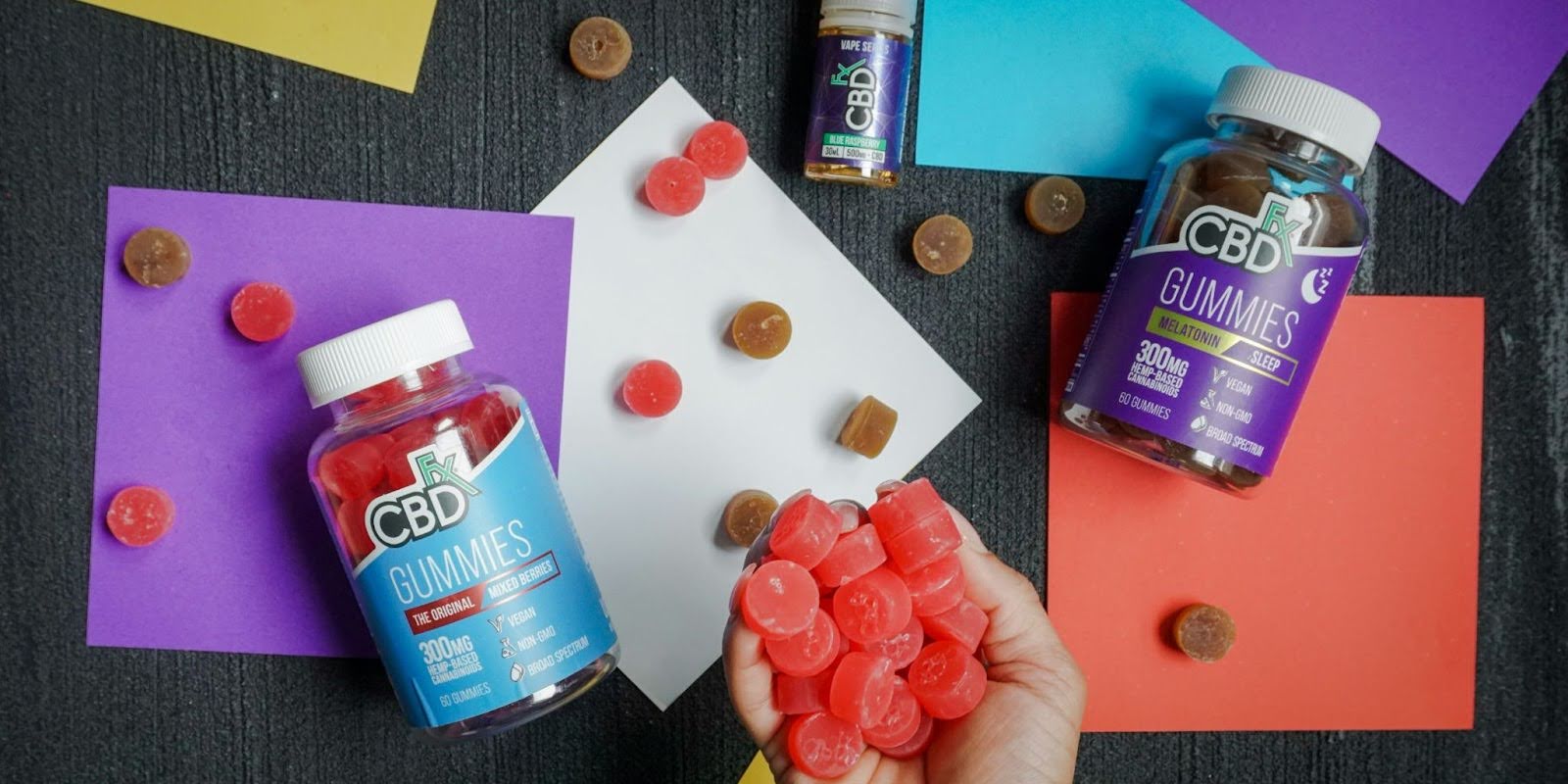
Packaging has also become part of the decision-making process. Consumers often look for packaging that feels discreet, informative, and aligned with broader wellness aesthetics. Loud or overly stylized designs can deter buyers who prefer subtlety.
This matters because CBD products often occupy ambiguous social spaces. Consumers may want options that do not draw attention in shared environments such as workplaces or households. Gummies packaged thoughtfully can signal intentionality rather than novelty.
The social context of use shapes purchasing decisions as much as individual preference.
Peer influence remains significant, but it has evolved. Rather than relying on endorsements or testimonials, consumers often look for anecdotal consistency. Hearing that a product “fits easily into someone’s routine” carries more weight than claims of dramatic impact.
This reflects a preference for relatability over persuasion. Consumers want to understand how others use products in real life, not how brands describe them.
The rise of peer-driven evaluation underscores the importance of authenticity.
Despite growing familiarity, uncertainty remains part of the category. Consumers are aware that research is ongoing and that individual responses vary. This awareness encourages cautious experimentation rather than blind adoption.
Many people approach CBD gummies with a mindset of ongoing evaluation. They reassess based on experience, preference, and evolving information. This iterative approach contrasts with earlier phases of adoption, which were often driven by curiosity alone.
The willingness to reassess reflects maturity rather than hesitation.
What consumers look for when choosing CBD gummies today reflects a broader shift toward informed, routine-oriented decision-making. Familiar formats, clear labeling, dosage consistency, and lifestyle compatibility matter more than novelty or bold claims.
As the category continues to evolve, consumer expectations are likely to remain grounded in transparency and practicality. Gummies succeed not because they promise transformation, but because they fit smoothly into everyday life.
This evolution suggests that the future of CBD products will be shaped less by hype and more by how well they meet ordinary standards of trust, clarity, and usability.
Comments (0)