Boosting Testosterone Naturally: Can Red Light Therapy Help?
7 months ago 662

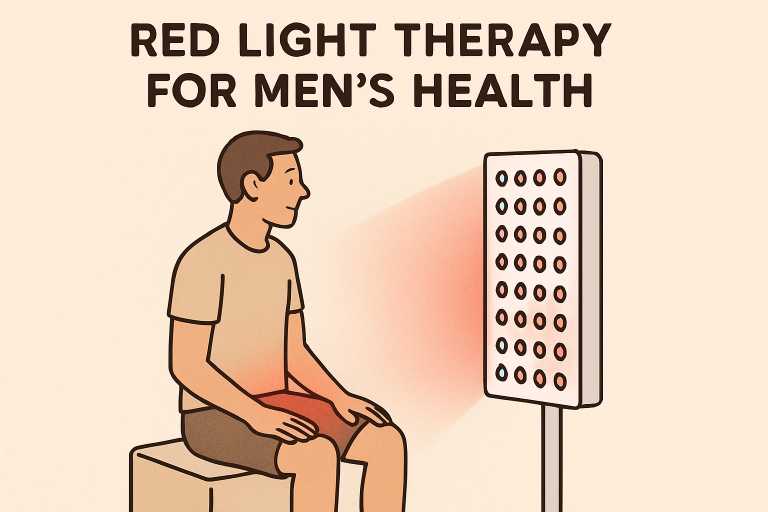
Testosterone is a critical hormone that profoundly impacts male health and well-being. It is instrumental in regulating muscle growth, bone strength, mood, and libido. As men age, natural testosterone production gradually declines, which can manifest as reduced energy, muscle loss, or lowered sexual function. This age-related decline has driven interest in treatments and lifestyle changes that might help maintain optimal hormone levels. Innovative options like red light therapy for men are increasingly being explored by individuals seeking a safe and effective hormone health solution.
Not only does testosterone support physical health, but it also plays a vital role in emotional regulation, cognition, and general vitality. Maintaining balanced testosterone is essential for both physical performance and overall quality of life. Traditional methods for supporting testosterone often include dietary changes, regular physical activity, improved sleep quality, and stress reduction, though innovative therapies continue to emerge in the health and wellness landscape.
Red light therapy, also known as low-level laser therapy or photobiomodulation, involves exposing the body to low-intensity wavelengths of red or near-infrared light. This therapy is non-invasive and has been used for a variety of purposes, including wound healing, skin rejuvenation, reducing inflammation, and relieving joint pain. In recent years, its application has broadened to include potential support for male hormone health and vitality.
The appeal of red light therapy lies in its safety profile and the absence of significant side effects compared to more invasive procedures or pharmaceutical treatments. Devices for personal and clinical use are now widely available, encouraging more men to explore whether this technology may contribute to their hormone health journey.
Red light therapy’s potential influence on testosterone levels has generated growing curiosity. Scientific discussions have centered on whether specific wavelengths of light can stimulate the Leydig cells in the testes, which are directly responsible for testosterone synthesis. Notably, a 2016 study conducted by researchers at the University of Siena in Italy reported that men who received red light therapy to their groin area for 30 minutes a day saw measurable increases in both testosterone levels and sexual satisfaction. While these findings are promising, further research with larger groups is necessary to confirm these results and determine safe and effective application protocols.
Although initial studies are encouraging, the broader scientific perspective remains cautious. Bodies like the Environmental Literacy Council highlight the need for larger, well-controlled trials to determine the efficacy and safety of red light therapy for testosterone enhancement. They emphasize that while some studies have shown positive trends, inconsistencies exist in the data, and the therapy is not currently a medically approved treatment specifically for testosterone deficiencies. This underscores the experimental nature of using red light therapy for this purpose and the necessity for those interested to proceed thoughtfully and consult with healthcare professionals.
Red light may help energize Leydig cells, potentially boosting testosterone production. These specialized cells are fundamental for producing this hormone and maintaining healthy levels as men age.
Exposure to red and near-infrared light is thought to enhance circulation. Better blood flow can support testicular function and the biological processes involved in hormone synthesis.
Reducing systemic and localized inflammation may also enhance conditions for hormone production. Improved cellular health in the reproductive system can contribute to healthier testosterone levels overall.
Before starting red light therapy to boost testosterone, it is essential to consult with a healthcare professional. Inappropriate use or overexposure may lead to side effects, such as skin irritation or discomfort. Red light therapy should not replace established medical treatments for diagnosed low testosterone or any underlying medical condition. A comprehensive, physician-guided approach is always the safest choice when considering new wellness therapies.
Red light therapy stands out as an intriguing possibility for men seeking natural ways to support their testosterone. However, current scientific evidence is inconclusive, and more rigorous research is required before it can be recommended as a standard treatment. Anyone interested in exploring this therapy should do so under professional guidance, ensuring their approach is both safe and evidence-based. Maintaining a healthy lifestyle with exercise, nutrition, restful sleep, and stress management remains the most reliable foundation for optimal testosterone health.
Comments (0)