Why Preventive Care Is Key to Lifelong Joint Health
5 months ago 337

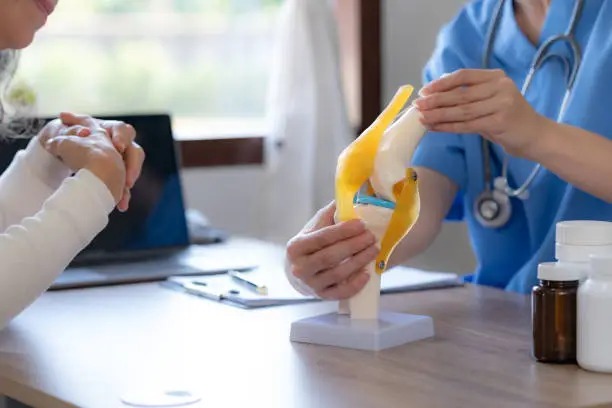
Joint health is often overlooked until pain begins to interfere with daily life. Many people assume that joint problems are an unavoidable part of ageing, but in reality, long-term discomfort and mobility issues are frequently the result of years of accumulated strain. Preventive care plays a crucial role in protecting joints, maintaining mobility, and supporting an active lifestyle well into later years.
Preventive care focuses on identifying and addressing potential musculoskeletal issues before they develop into serious conditions. This approach includes early assessment, lifestyle adjustments, posture awareness, and timely medical guidance. Rather than waiting for pain to become severe, preventive care aims to preserve joint function and reduce the risk of degeneration.
By paying attention to early signs such as stiffness, reduced flexibility, or recurring discomfort, individuals can take proactive steps to protect their joints and avoid long-term complications.
Everyday activities have a direct impact on joint health. Prolonged sitting, repetitive movements, improper lifting, and lack of regular movement can gradually place stress on joints and surrounding tissues. Over time, these habits may contribute to cartilage wear, muscle imbalance, and reduced joint stability.
Preventive care encourages small but consistent changes in daily routines. These adjustments help distribute physical load more evenly across the body and reduce unnecessary strain on vulnerable joints.
Early assessment allows potential joint issues to be detected before they progress. Mild discomfort or occasional stiffness may seem insignificant, but these symptoms can indicate early-stage musculoskeletal conditions. Addressing them early often leads to simpler, more effective management.
Consulting an experienced orthopaedic doctor during the early stages of joint discomfort provides clarity and guidance. Professional evaluation ensures that underlying issues are identified accurately and managed before they affect long-term mobility.
An active lifestyle places both positive and negative demands on joints. While regular movement supports joint lubrication and muscle strength, improper technique or overuse can increase injury risk. Preventive care helps individuals remain active while minimising strain through proper movement patterns and balanced physical activity.
With appropriate guidance, individuals can continue to enjoy sports, exercise, and daily activities without compromising joint health.
Preventive care is most effective when supported by professional expertise. Access to specialised assessment, modern diagnostic tools, and personalised advice allows for targeted strategies that suit individual lifestyles and physical demands.
Seeking care from a reputable orthopaedic clinic Singapore provides a comprehensive approach to joint health, combining early detection, education, and long-term management to support sustained mobility and comfort.
Many chronic joint conditions develop gradually over time. Preventive care helps slow or prevent this progression by addressing contributing factors early. Maintaining joint alignment, muscle balance, and flexibility reduces the likelihood of long-term degeneration and mobility loss.
This proactive approach not only improves physical comfort but also enhances overall quality of life as individuals age.
Joint health is a lifelong commitment rather than a short-term concern. Integrating preventive care into everyday life supports independence, mobility, and confidence in movement. Simple awareness combined with timely professional guidance can make a lasting difference.
By recognising the value of early intervention and ongoing care, individuals can protect their joints and maintain an active, healthy lifestyle for years to come.
Comments (0)