Why Head Lice Is a Common but Overlooked Community Health Issue
5 months ago 447

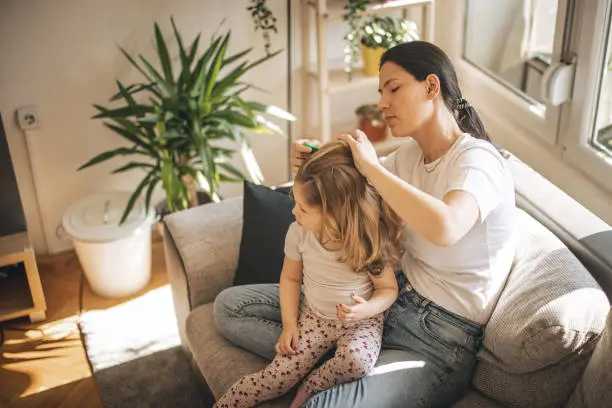
Head lice is one of the most common non-medical health issues affecting children and families, yet it is often misunderstood and underestimated. While lice is not dangerous, outbreaks can spread rapidly in schools, daycare centers, and shared community spaces—especially in densely populated urban areas.
In neighborhoods where children interact closely through classrooms, sports, camps, and after-school programs, a single case can quickly turn into a broader community concern. For families, the challenge is not just eliminating lice, but doing so quickly and correctly to prevent reinfestation and unnecessary stress.
Contrary to common myths, head lice does not spread due to poor hygiene. Lice is transmitted through direct head-to-head contact, which is why schools and childcare settings are the most frequent environments for outbreaks. Shared activities like group play, reading circles, sleepovers, and sports increase the likelihood of exposure.
In cities like Brooklyn, where schools are crowded and families live in close proximity, outbreaks can move fast. Parents often don’t realize there’s a problem until itching becomes noticeable or a school sends home a notification—by then, lice may already have spread to siblings or classmates.
Many families initially turn to drugstore lice treatments, assuming they are the quickest solution. Unfortunately, resistance to chemical treatments has become increasingly common. This often leads to repeated applications, prolonged infestations, and frustration for parents trying to follow conflicting advice found online.
When treatments fail, families may spend weeks cycling through products, laundering bedding daily, and checking hair obsessively—all while lice remains present. This delay not only increases the risk of reinfestation but also contributes to unnecessary disruption at home and school.
Early intervention is key to stopping the spread of lice within a community. Families who choose professional lice removal often resolve infestations faster and with greater confidence. Professional services focus on thorough manual removal and education, rather than relying solely on chemicals that may no longer be effective.
For Brooklyn families, working with a trusted lice removal Brooklyn provider allows treatment to happen discreetly and efficiently, often in the comfort of the home. This approach minimizes missed school days, reduces anxiety, and helps prevent lice from spreading further within classrooms or households.
Local providers understand the realities of their communities—school policies, seasonal outbreaks, and the importance of fast response. A reliable lice removal service doesn’t just treat the individual; it helps protect the wider community by ensuring infestations are fully resolved and less likely to recur.
Education is another critical component. Families benefit from clear guidance on post-treatment care, prevention strategies, and what to expect if a school outbreak occurs again. When parents are informed, communities are better equipped to manage lice responsibly without stigma or panic.
Head lice is a manageable issue when addressed early and correctly. Viewing lice through a community health lens—rather than as a personal failure—helps families respond more effectively and reduces unnecessary stress. With proper education and access to professional care, communities can limit outbreaks, protect children, and return to normal routines quickly.
Comments (0)