How Selective Androgen Receptor Modulators Interact with Muscle Tissue
6 months ago 295

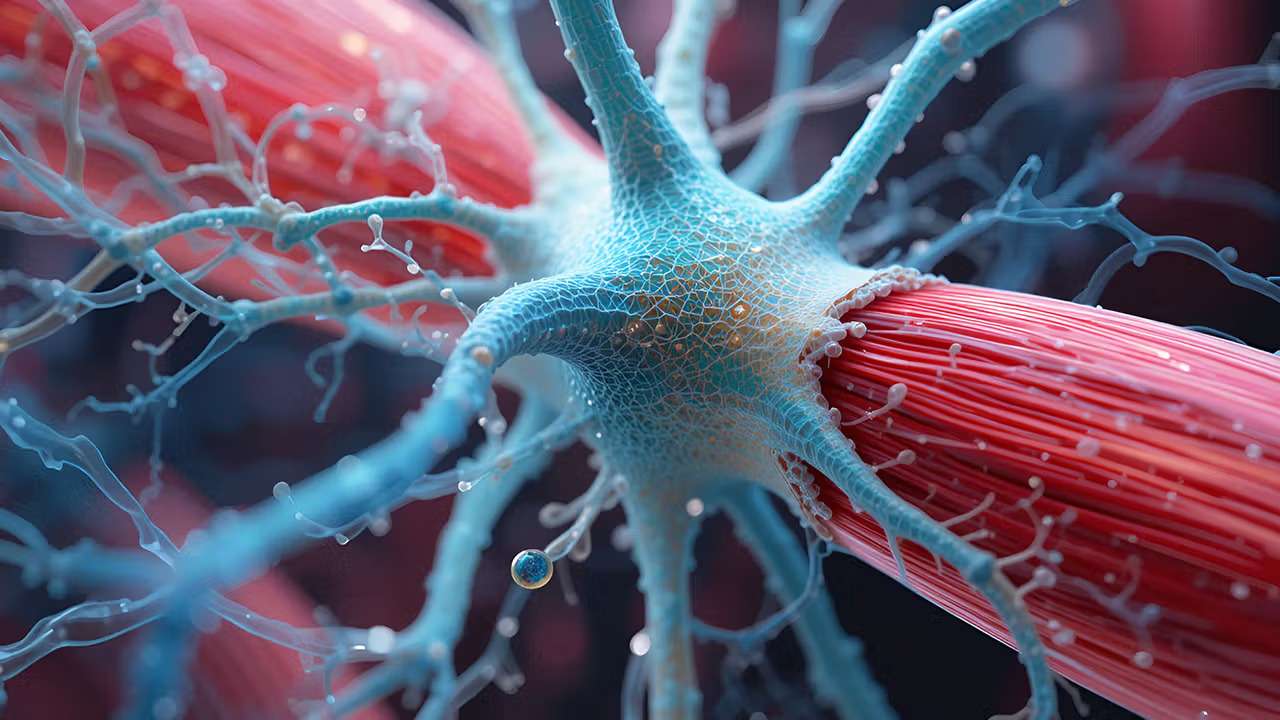
Selective androgen receptor modulators have gained attention for their targeted relationship with muscle tissue and strength-related adaptation. These compounds are designed to communicate with androgen receptors in a focused manner, encouraging muscle activity without broad systemic influence. Their appeal comes from precision-driven interaction that aligns closely with muscular structures.
Muscle tissue responds to chemical signals that guide growth, balance, and repair. When receptor-focused compounds connect with muscle cells, they influence protein handling and cellular communication. This interaction supports muscle response during physical effort while maintaining selective behavior.
Understanding how these modulators function at the tissue level helps clarify why they attract interest among fitness-focused audiences. Their selective nature highlights how muscle cells can respond differently compared to other body tissues, shaping controlled strength-oriented outcomes.
Selective androgen receptor modulators connect with receptors found in muscle fibers and satellite cells, triggering signals that enhance muscle responsiveness and adaptive growth. In this context, muscle tissue responds to targeted receptor activation rather than broad hormonal stimulation. Products like https://bigboy-shop.com/product-category/sarms/rad-140-testolone directly interact with these receptors, promoting gene expression that supports muscle structure and cellular efficiency while avoiding unnecessary activation in other tissues.
Muscle tissue adapts through layered communication networks that guide strength and recovery. These modulators influence such pathways by encouraging focused receptor responses.
Mechanisms for Cellular Signaling and Intracellular Messaging
Encourages protein formation signals that support muscle cell development and structural reinforcement.
Supports intracellular messaging that guides adaptive response during repeated physical effort
Influences gene activity linked with muscle fiber size and functional capacity
Promotes efficient nutrient utilization within muscle cells for sustained performance
Helps maintain balanced cellular signaling without excessive hormonal interference
Protein synthesis remains a central process for muscle adaptation. When receptor-selective compounds interact with muscle tissue, they support signals that enhance protein assembly inside fibers. This process assists muscle cells in maintaining structure during training stress. Over time, such interaction contributes to improved muscle tone and strength-related characteristics. The selective approach ensures that muscle fibers receive focused stimulation that aligns with natural adaptive mechanisms.
Recovery represents a critical phase for muscle health and progress. Receptor-selective interaction supports recovery-oriented pathways that help muscle tissue restore balance after exertion.
Biological Factors Aiding Post-Exertion Tissue Restoration
Encourages cellular repair mechanisms that restore muscle integrity after physical strain
Supports balanced inflammatory response, aiding tissue normalization and readiness
Helps muscle cells replenish energy resources efficiently after demanding activity
Assists adaptive signaling that prepares fibers for future physical challenges
Maintains cellular stability during repeated training cycles
Unlike compounds that impact the whole hormonal machine, selective androgen receptor modulators focus attention on muscular tissues. This difference permits muscle cells to respond without excessive effect on unrelated tissues.
Such selectivity is fundamental to information on their interaction profile. By limiting activation to focused receptors, muscle mass benefits from concentrated signals that inspire managed increase and practical help at the same time as preserving systemic balance.
Longer-term interaction with receptor-selective compounds highlights gradual muscle adaptation. Tissue-level changes occur through consistent signaling rather than abrupt shifts.
Long-Term Physiological Changes in Muscle Density and Function
Encourages gradual muscle density improvement through sustained receptor communication
Supports long-term cellular efficiency linked with repeated adaptive cycles
Helps maintain structural integrity during progressive strength-focused routines
Guides muscle tissue toward stable functional improvements over extended periods
Reinforces balanced adaptation without overwhelming biological systems
Within strength-focused routines, muscle tissue relies on efficient signaling to adapt. Receptor-selective interaction complements training by reinforcing muscle responsiveness. This relationship helps align physical effort with cellular adaptation. Muscle fibers receive guidance that supports workload handling and gradual improvement. The process emphasizes harmony between physical stimulus and biochemical response within muscle tissue.
Selective behavior remains a defining characteristic when examining muscle interaction. By focusing on specific receptors, these modulators reduce unnecessary engagement with non-muscle tissues. This focused approach supports muscle-centered outcomes while respecting broader physiological balance. Understanding this selectivity allows readers to appreciate why muscle tissue responds distinctly compared to other systems.
The interplay between selective androgen receptor modulators and muscle function relies on precise receptor activation, which drives growth, repair, and structural adaptation. By targeting specific receptors, muscle cells receive signals that support protein synthesis, structural balance, and energy-efficient responses. Compounds like bigboy-shop.com/product-category/sarms/rad-140-testolone act directly on these receptors, promoting muscle-specific adaptations while minimizing effects on other tissues. This focused approach underscores why receptor-selective modulation is highly effective for targeted muscle development.
Comments (0)