Food and Diet in the Modern Age to ensure a Healthy Life
6 months ago 595

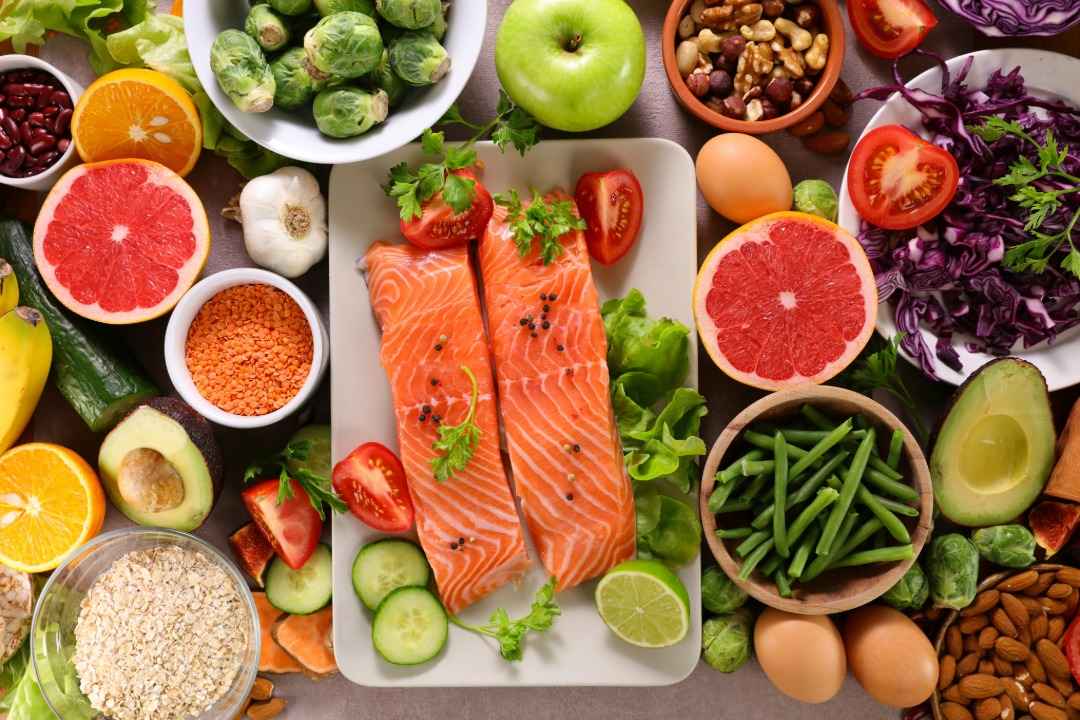
Individual preferences, such as taste, mealtimes and social interactions, have always, and will be, instrumental in deciding food and diet choices. Additionally, external elements including affordability, cultural norms and policy environments, have had an effect on dietary choice-making.
As the above factors have shaped the way we approach buying, preparing and where and when we decide to eat, fast-food and eating out present a noticeable growth industry in the 20th and 21st centuries. It cannot be ignored but our environment including the type of food we eat is having a detrimental effect on our health, and thus other industries such as nutritional supplements, healthy lifestyle options and even the need for mobility measures such as walking aids and mobility scooters are now becoming the norm in our supermarkets, in the literature we read and on the streets we navigate.
This rise in eating out and takeaways at home is partly a measure of how convenience is playing a major part in our lives. This fast-paced life we lead has brought into our lives the internet, where we can consult a virtual recipe book and obtain a reliable guide to leading a healthy lifestyle. Convenience has its plus points too!
It also needs to be mentioned that disease and malnutrition are factors which can be connected to our socioeconomic status (SES). Those the most in need are often those who end up relying on the health and disability industry the most.
With the modern age comes advantages like the ability to transport consumables over long distances, so living in a disadvantaged area is no longer a certainty to suffer from ill-health. It is important not to be complacent about this link, since living in rural areas combines a lack of communication and sometimes higher-priced commodities, making it not desirable for all.
Non-communicable diseases are the leading cause of death globally. This situation cannot be taken lightly as diabetes, obesity and cardiovascular diseases are at an all-time high, with poor diet regarded as one of the main causes we have to consider in this decline.
Research has shown that eating healthily is the most critical way of increasing their life expectancy and quality. This is deemed to be better than health promotion and education in many circles.
We have, in the past, tried a one-size-fits-all approach to solving dietary planning and its capacity to lead to a better standard of living. This came about because of the need to fix a lot of problems, both in individuals and populations, at once and quickly. This has seen to be inadequate upon further enquiry.
Interventions in food pricing, availability, information and the composition of food products will be more significant in providing answers to people’s dietary issues, be they individual or community based. It is, after all, a global phenomenon we are dealing with here. Starting with solutions to a targeted individual’s needs, answers to larger communities’ needs are often forthcoming. If we can solve these pressing demands depends on whether our habits, rituals and tastes can be met by the measures we are realising.
Comments (0)