The Dark Spot Dilemma: Why Hyperpigmentation Is So Difficult to Treat and What Actually Works
6 months ago 633

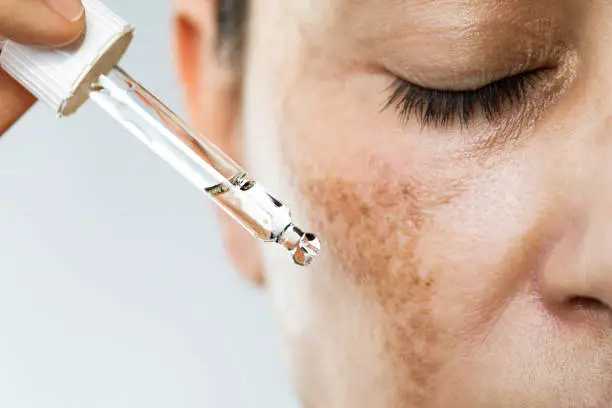
Dark spots have become the skincare concern that refuses to fade. Dermatology clinics report hyperpigmentation complaints now rival acne as the top reason patients seek professional help. The frustration runs deep—these stubborn patches of discoloration seem immune to countless products promising even-toned, radiant skin.
Hyperpigmentation occurs when skin produces excess melanin, the pigment responsible for skin color. The triggers are numerous—sun exposure, hormonal changes, inflammation from acne, and even minor skin injuries can leave behind unwanted dark marks.
The condition affects all skin tones but manifests differently across ethnicities. Darker skin tones face higher risk of post-inflammatory hyperpigmentation, where even minor breakouts or irritation leave lasting marks. Melasma, the hormone-driven "mask of pregnancy," disproportionately affects women and often proves maddeningly resistant to treatment.
Furthermore, hyperpigmentation sits at varying depths within the skin. Surface-level discoloration responds relatively well to topical treatments. Deeper pigmentation, trapped in the dermis, requires more aggressive interventions and patience measured in months rather than weeks.
"Patients often become discouraged because they expect quick results with hyperpigmentation," says Dr. Shamsa Kanwal, M.D. "The reality is that melanin overproduction took time to develop and takes time to reverse. I always tell patients that consistent treatment over three to six months is realistic—anything promising faster results is likely overpromising."
The skincare market overflows with brightening serums and dark spot correctors. Yet many users cycle through product after product without meaningful improvement. The disconnect lies in ingredient concentration, formulation stability, and unrealistic expectations.
Vitamin C remains a gold-standard brightening ingredient, but its notorious instability means many products deliver degraded, ineffective formulas by the time they reach your face. The amber dropper bottle sitting in a sunny bathroom has likely lost potency within weeks of opening.
Hydroquinone, the most effective topical lightening agent, faces increasing restrictions and requires careful use to avoid paradoxical darkening. Many consumers either can't access prescription-strength formulas or use them incorrectly.
Also, layering multiple brightening products seems logical but often backfires. The resulting irritation triggers inflammation—which causes more hyperpigmentation, perpetuating the cycle.
Effective hyperpigmentation treatment requires a multi-pronged strategy targeting different aspects of melanin production and distribution.
"I approach hyperpigmentation like a puzzle with multiple pieces," explains Dr. Jane T. Nguyen, M.D. "We need ingredients that inhibit melanin production, accelerate cell turnover to shed pigmented cells, and protect against UV exposure that triggers more pigment. Missing any piece compromises results."
Tyrosinase inhibitors form the treatment foundation. These ingredients block the enzyme responsible for melanin synthesis. Options include kojic acid, arbutin, azelaic acid, and tranexamic acid—each with different strengths and suitability for various skin types.
Keep in mind that retinoids accelerate results by increasing cell turnover. Pigmented cells shed faster while new, evenly-pigmented cells replace them. The combination of tyrosinase inhibition plus enhanced turnover delivers synergistic benefits.
Chemical exfoliants like glycolic acid and lactic acid support the process by removing dead cells and improving penetration of other active ingredients.
No hyperpigmentation treatment succeeds without rigorous sun protection. UV exposure triggers melanocytes to produce more pigment, undoing treatment progress with every unprotected moment outdoors.
Broad-spectrum SPF 30 or higher is mandatory—daily, regardless of weather or plans to stay indoors. Windows transmit UVA rays that stimulate pigmentation. Even brief sun exposure during treatment can erase weeks of progress.
Take note that visible light also contributes to hyperpigmentation, particularly in darker skin tones. Tinted sunscreens containing iron oxides provide protection against this often-overlooked trigger.
Reapplication matters as much as initial application. Sunscreen efficacy diminishes throughout the day, especially with sweating or touching the face.
When topical treatments plateau, professional procedures offer escalation options. Chemical peels deliver higher concentrations of exfoliating acids for deeper penetration. Laser treatments target pigment directly but require careful selection to avoid worsening discoloration in darker skin tones.
Plus, combination approaches often outperform single modalities. A dermatologist might recommend a series of light peels alongside a customized topical regimen for optimal results.
The hyperpigmentation journey requires patience, consistency, and realistic expectations. Dark spots didn't appear overnight, and they won't disappear overnight. But with strategic treatment and unwavering sun protection, even stubborn discoloration can fade significantly.
Comments (0)