GLP-1 Medicines Safety Guide: Spot Genuine vs Fake Products
6 months ago 518

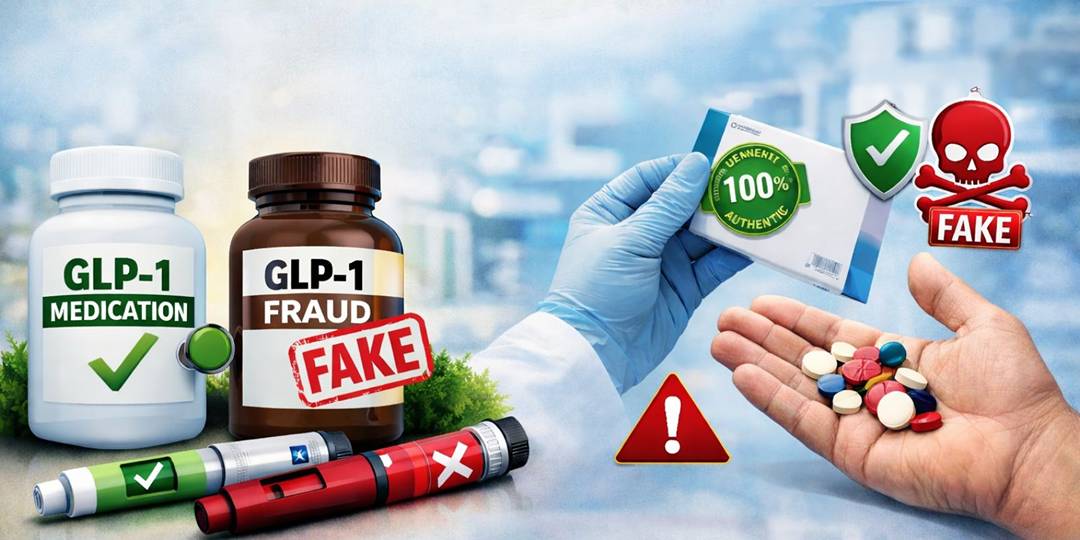
First and foremost, GLP-1 medications play an important role in treating obesity and diabetes for many people with long-term metabolic disorders. The demand for GLP-1 products has increased rapidly over the past several years. This increase has resulted in the distribution of counterfeit/safety-compromised GLP-1 products.
For patients, using counterfeit GLP-1 medications could potentially be life-threatening and result in hazardous health conditions. To assist patients in identifying genuine GLP-1 medications, finding safe GLP-1 products, and using GLP-1 medications correctly, this guide provides information on proper use and administration.
As injectable therapies have gained popularity, there is now a great chance for those who sell counterfeits to take advantage of patients looking for these products. Many counterfeit products are sold on social networks, informal messaging apps, and unverified online sales channels.
The risks associated with counterfeit GLP-1 products include:
Most patients will discover that something is wrong with the product they purchased after experiencing an adverse event or treatment failure.
All approved GLP-1 products are produced under a carefully controlled production system. Approved products in India must conform to a set of manufacturing, distribution, and storage guidelines to ensure the product's safety and efficacy.
All approved GLP-1 products:
By not adhering to any of the above criteria, one is at an increased risk of being exposed to an unsafe medication.
Although counterfeiting creates deception, many signs can be subtle indicators that you may have purchased a counterfeit product. Some indicators you should check for are:
The packaging may appear to have been opened/damaged when it hasn't, or it has been poorly printed
All of these signs should lead you to verify a product's legitimacy before using it.
Patients are important in protecting their health.
Always:
Taking shortcuts may result in short-term savings but may ultimately cause long-term health problems.
GLP-1 products that are not manufactured or marketed in accordance with FDA regulatory standards may actually do the opposite of helping the patient and have negative effects on their overall health. Examples of these negative side effects may include.
When blood sugar is not well controlled, it can affect multiple systems in the body, not just glucose levels alone.
Therefore, the existence of these same risks makes it abundantly clear that, when using these products, authenticity is paramount.
GLP-1 medications support diabetes management by promoting healthy eating patterns, regulating hunger, and improving the body's ability to respond to insulin effectively, thereby supporting overall metabolic health.
Typically, GLP-1 medications are part of a comprehensive diabetes management plan, which may include changes in diet and lifestyle, increased physical activity and ongoing blood sugar monitoring. Before beginning any type of GLP-1 medication, your doctor will consider your overall medical history and the long-term goals for managing your condition before recommending this type of treatment.
Counterfeit sellers often target GLP-1 medications that have received much public attention. A prime example is the prescription-only medication Yurpeak 10mg KwikPen, and similar products such as Mounjaro KwikPen containing Tirzepatide. It is illegal to sell or buy these products from unapproved outlets.
To safely utilise these medications, consumers must adhere to the mandatory temperature-control requirements and receive expert supervision throughout their use.
Patients frequently report discovering counterfeit products after they recognised a lack of control over their symptoms or experienced extraordinary adverse reactions. Patients recall cases of pen devices that ceased functioning during administration to patients after some time.
All of these examples point to one very important lesson: If a patient feels something is wrong, he/she should immediately discontinue use of the counterfeit product and seek advice from a qualified healthcare provider.
Providers of healthcare services can:
It is important to be responsible when using GLP-1 medications, given their potential benefits. Therefore, safety should always be the priority. Counterfeit Medicines have become more prevalent, which increases the need for awareness. To ensure both safety and financial investment when using GLP-1s.
It is important to use only legitimate pharmacies, store these medications properly, and maintain regular communication with a physician about GLP-1s. The integrity of GLP-1 medications is essential to providing safe and effective treatment for patients.
Comments (0)