Benefits of Becoming a Psychiatric-Mental Health Nurse Practitioner
6 months ago 734

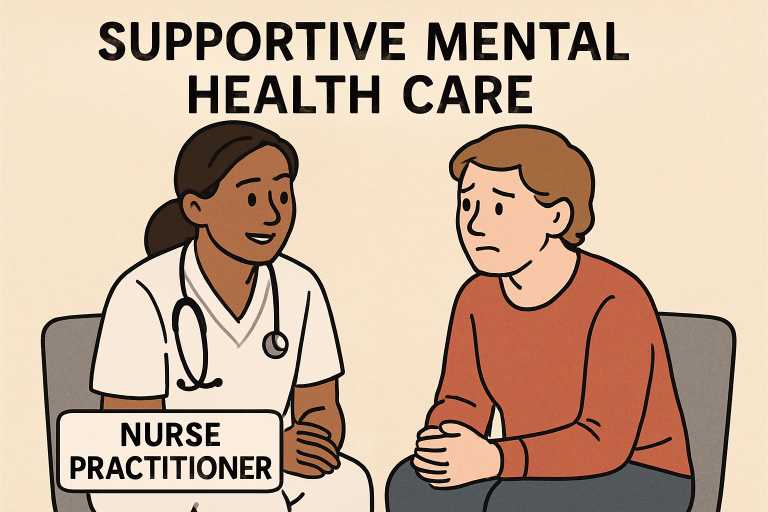
The psychiatric-mental health nursing field is vital as mental health issues rise. Becoming a Psychiatric-Mental Health Nurse Practitioner (PMHNP) offers opportunities, purpose, and flexibility, with many online programs as a convenient route. As demand grows and stigma decreases, PMHNPs will be crucial for accessible, patient-centered care. This article highlights benefits like addressing mental health needs, diverse careers, meaningful relationships, higher earnings, and impactful work. Whether you’re a nurse or student, understanding the role is key to improving mental health care.
In the US, nearly one in five adults faces mental illness annually, according to the National Alliance on Mental Illness. Shortages of mental health professionals, especially in rural regions, create significant care gaps. Psychiatric-Mental Health Nurse Practitioners (PMHNPs) help bridge these gaps by providing essential services such as therapy, medication management, and collaboration with other healthcare providers. Their advanced training allows them to integrate both mental and physical health needs, ensuring more holistic patient care and improved outcomes.
For aspiring nurses, pursuing online PMHNP programs offers a flexible pathway to enter this high-demand field and step into roles often left unfilled. By becoming primary psychiatric care providers in communities with few or no psychiatrists, PMHNPs deliver leadership and vital services that expand access to quality mental healthcare nationwide.
PMHNPs have the advantage of flexible work settings and schedules. Their credentials allow them to work in various environments like clinics, mental health centers, hospitals, substance abuse programs, correctional facilities, and private practices. Many open their own practices or offer virtual services via telehealth, leveraging healthcare technology. This flexibility enables them to find roles that align with their interests and supports a work-life balance through non-traditional shifts, part-time work, and remote options. As healthcare evolves, adaptable, certified PMHNPs stand to benefit most from this career mobility.
Unlike many healthcare providers, PMHNPs build holistic, ongoing relationships that connect mind and body, fostering trust and understanding their patients as individuals. This approach helps patients share sensitive info, follow treatment plans, and feel empowered. They also detect often-missed conditions like PTSD, anxiety, or depression that coexist with chronic illnesses. Their coordination with other medical pros improves outcomes. Empathy and skill form a therapeutic alliance essential for effective psychiatric care.
Specializing as a PMHNP can significantly boost salaries compared to other nursing roles. According to the U.S. Bureau of Labor Statistics, nurse practitioners earn a median wage well above average, with psychiatric-mental health specialists at the top due to high demand. Modern Healthcare reports salaries around $139,000 annually, making it a lucrative path for advanced practice nurses. Increased earnings and job security help PMHNPs build stable, rewarding careers. As states expand practice authority, compensation and autonomy are likely to grow.
A career as a PMHNP is fundamentally about improving lives. These practitioners often work on the front lines, reducing stigma, advocating for vulnerable groups, and providing compassionate, evidence-based care. Their role in diagnosing, treating, and supporting patients with mental health issues impacts families and communities, fostering resilience. PMHNPs also contribute to mental health education, prevention, and policy advocacy, broadening their influence beyond clinics. Many find personal fulfillment in guiding patients through tough times and witnessing recovery. The increasing need for mental health professionals, along with the benefits and opportunities of the PMHNP role, makes it a compelling and impactful career. Those passionate about holistic care, flexibility, and making a difference will find both professional and personal rewards in this vital field.
Psychiatric-Mental Health Nurse Practitioners (PMHNPs) fill vital gaps in mental health care, offering flexible, rewarding careers. They address shortages in underserved areas, build lasting patient relationships, and improve treatment outcomes while fostering trust, advocacy, and resilience. Growing demand, earning potential, and career growth make becoming a PMHNP a meaningful choice to advance professionally and serve with compassion. As mental health issues rise, these practitioners lead with empathy, skill, and dedication to making a difference in healthcare and society.
Comments (0)