What is an ABHA Card? Eligibility, Benefits & Insurance Guide
8 months ago 646

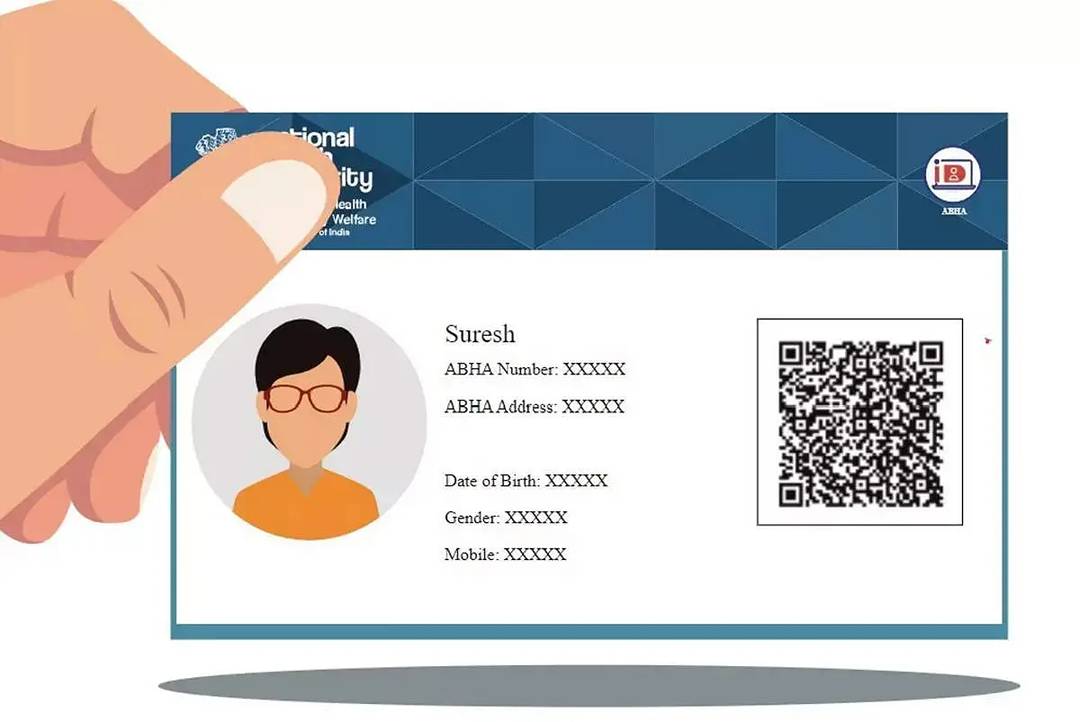
An ABHA card serves as a digital health identity that gives you a unique 14-digit ABHA ID. This ID securely stores your medical information, including prescriptions, consultation notes and treatment records, all in one easily accessible place.
Created under the Ayushman Bharat Digital Mission, the ABHA system strengthens India’s healthcare infrastructure by building a unified digital framework. It streamlines the way health information is managed, improves coordination between healthcare providers, and ensures that you stay in control of how your data is shared. This makes accessing medical care simpler, safer, and more efficient for individuals across the country.
Keep scrolling to learn more about ABHA Card eligibility, benefits, and other crucial details!
The ABHA card is designed to be accessible to people across India, and the following conditions determine who can apply:
Individuals aged between 16 and 59 years can register for an ABHA card.
Applicants must be citizens of India. This helps ensure that the benefits of the digital health ecosystem are available to people nationwide.
Having an Aadhaar card speeds up the process through instant identity verification, though other ID options can also be used if Aadhaar is not available.
There are no restrictions based on income level, community, or social category. Anyone can create an ABHA health ID, and it serves as a secure place to store your medical records for future reference.
A functioning mobile number is required to receive OTPs during the verification stage, whether the application is done online or through assisted channels.
An ABHA card offers several advantages that make managing healthcare simpler and more efficient. Check them out below:
Your ABHA account allows you to keep all your medical reports and documents in a single digital space. This removes the hassle of searching for old files or carrying physical papers to every medical visit.
The ABHA system lets you share your health records with doctors only when you choose to. No healthcare provider can view your information without your permission, and you can withdraw that permission whenever you wish.
Your health records are secured by highly sophisticated security and encryption. This upholds personal health information privacy and security.
ABHA gives you access to verified and certified doctors and medical practitioners. This makes it easier to seek timely medical advice from verified experts.
Using an ABHA card is completely voluntary. You may create your health ID and deactivate it at any point if you no longer wish to use the platform.
To complete your ABHA card registration, certain documents must be submitted for verification by the authorities. The key requirements are as follows:
Using your Aadhaar number is strongly advised since it is required for ABHA enrolment and speeds up the verification process. Make sure the details linked to your Aadhaar are accurate and current.
You will need to share your bank account details that are connected to your Aadhaar card. This assists in making any payment or transaction related to healthcare whenever necessary.
As the ABHA system keeps track of your medical background, you will be asked to provide information about any existing health conditions. This supports continuity of care and helps doctors access the right information during treatment.
A domicile certificate may be required to confirm your place of residence. This document assists in establishing your domicile status and may be necessary in order to receive local health care or other benefits.
Get a comprehensive idea of how the ABHA card works in the section below:
You can set up your ABHA ID through the official website, the mobile application, or by visiting a registered healthcare facility.
Your health data is disclosed with your consent. This guarantees high privacy and safety of all your records.
Your ABHA account stores your prescriptions, investigation reports, and your past medical information safely, hence they are accessible when you need them.
Your medical history is easily accessible to doctors and hospitals, thus enabling them to provide more precise care and prompt treatment.
Individuals covered under the Ayushman Bharat scheme receive a physical card. Others can conveniently download the digital version through the app or website.
The NDHM app allows you to look up nearby clinics, hospitals and diagnostic labs.
Healthcare practitioners can enrol as Digi Doctors, enabling them to sign medical documents electronically and securely.
Any individual is able to make an ABHA ID card without any extra assistance.
The ABHA card is crucial in making healthcare convenient and transparent in India. It enables you to keep your medical records organised, exchange information with the doctor only when you want to, and easily access verified healthcare services.
With strong security features, optional activation and a simple registration process, the ABHA card empowers individuals to handle their health information confidently. As India continues to build a stronger digital health ecosystem, the ABHA card stands out as a valuable tool for improving the way people access and experience healthcare.
The healthcare industry in India is undergoing a massive transformation, thanks to digital technologies. From virtual consultations to AI-driven claim approvals, health insurance companies in India are reshaping the way people access and experience healthcare.
For you, this means faster services, transparent processes, and more personalised coverage. Let’s explore how health insurance companies in India are adapting to the digital wave.
1. Integration of IoT
Internet of Things (IoT) devices like fitness bands and smartwatches are becoming part of insurance ecosystems. By tracking heart rate, blood pressure, or sleep patterns, insurers can better understand health risks and even reward you for maintaining healthy habits.
These rewards can range from lower premiums to discounts, making health insurance a proactive process.
2. Digital Health Insurance Plans
Health insurance is now more than just endless paperwork. Digital health insurance plans allow you to purchase, renew, and manage policies entirely online.
You can compare policies, check inclusions, and file claims with just a few clicks. With digitisation, you can now make informed decisions and choose plans that fit your health and financial needs exactly.
3. Government Initiative and ABHA
The government’s Ayushman Bharat Digital Mission has introduced the ABHA (Ayushman Bharat Health Account) ID, which enables secure storage and sharing of medical records.
This revolutionary government initiative reduces paperwork and confusion for consumers.
Health insurers are integrating with this system to provide seamless claim processing and quick hospital admissions, cutting down delays for patients and families.
4. AI and Machine Learning
Artificial Intelligence (AI) and Machine Learning (ML) are not just limited to IT anymore. Good health insurance companies in India are largely integrating it within their ecosystem. They help insurers analyse large volumes of health data.
For you, this means quicker underwriting, fraud detection, and personalised policy recommendations. AI chatbots also simplify customer support, offering instant answers to queries without long waiting times.
5. App-Based Health Insurance
Almost every major insurer now has a mobile app that brings healthcare to your fingertips. Through these apps, you can book doctor consultations, access e-cards, track claim status, and join wellness programs.
This app-driven model is one reason why many call digital-first providers the best medical insurance company in India.
1. Customer Experience
Digitisation removes the traditional hassles of paperwork, branch visits, and long claim processes. From instant policy issuance to cashless claim approvals, your experience becomes smoother and more reliable.
2. Better Accessibility
With mobile apps and online portals, you can access policy details anytime, anywhere. This is especially useful in emergencies when quick access to your insurance card or hospital network list can save valuable time.
3. Wellness Programs
Many insurers now focus on preventive care by offering wellness programs. These include health check-up reminders, fitness tracking rewards, teleconsultations, and discounts on medicines. Such initiatives not only keep you healthier but also reduce long-term medical costs.
1. Digital Divide
India has approximately 1,425 million internet users as of 2025. However, not everyone can correctly use the internet for health insurance. People in rural areas and the older population still rely on traditional methods.
2. No Digital Literacy
Although India is transforming into a digital-first country, many people still lack the proper knowledge of utilising digital platforms. This makes them open to scams and other fraudulent activities.
3. Concern of Privacy
Health insurance companies in India use cybersecurity measures to ensure the privacy of consumer data. However, maintaining security while processing millions of claims every day is a challenge.
The rise of digital healthcare has completely reshaped the way health insurance companies in India operate. By embracing IoT, AI, app-based services, and government initiatives, insurers are making healthcare more transparent, accessible, and efficient.
For you, this means more convenience, better coverage, and improved peace of mind. As technology continues to evolve, choosing from good health insurance companies will be easier, and you’ll find services more aligned with your lifestyle.
Comments (0)