Your Guide to Inguinal Hernia Repair in Los Angeles
7 months ago 607

Understanding a medical diagnosis can feel overwhelming, especially when it involves the possibility of surgery. If you have been diagnosed with an inguinal hernia, or suspect you might have one, you are likely looking for clear answers about what lies ahead. For patients in Southern California, understanding the landscape of inguinal hernia repair Los Angeles is the first step toward relief and recovery.
An inguinal hernia is a common condition that affects thousands of people every year. While it is not usually immediately life-threatening, it does not improve on its own and often requires surgical intervention to prevent complications. Fortunately, advancements in medical technology have made repair procedures safer and more effective than ever before.
This guide aims to demystify the condition and the treatment options available to you. Whether you live in Torrance, downtown Los Angeles, or the surrounding areas, knowing what to expect can help you make informed decisions about your health.
An inguinal hernia occurs when tissue, such as part of the intestine, protrudes through a weak spot in the abdominal muscles. The resulting bulge can be painful, especially when you cough, bend over, or lift a heavy object. This specific type of hernia happens in the inguinal canal, a passageway in the groin area.
In men, the inguinal canal is the route where the testicles descend shortly before birth. This creates a natural potential weakness in the abdominal wall. In women, the canal contains the ligament that helps hold the uterus in place. While inguinal hernias are significantly more common in men, they can occur in women as well.
The weakness in the abdominal wall may be present at birth, or it might develop later in life. As we age, muscles can weaken, making us more susceptible to hernias. Increased pressure within the abdomen—caused by straining during bowel movements, heavy lifting, or chronic coughing—can also contribute to the development of a hernia.
It is important to understand that a hernia is a structural problem. Unlike an infection that can be treated with antibiotics, a hole or weakness in the muscle wall cannot heal itself. This is why surgical repair is the standard treatment for addressing the issue permanently.
Many people first notice an inguinal hernia as a bulge in the groin area on either side of the pubic bone. This bulge may become more obvious when you are standing upright, particularly if you cough or strain. It often disappears when you lie down.
Pain and discomfort are also common indicators. You might feel a burning or aching sensation at the bulge. Other symptoms can include a heavy or dragging sensation in your groin. Occasionally, pain and swelling may occur around the testicles if the protruding intestine descends into the scrotum.
However, not all hernias cause pain initially. Some patients discover they have a hernia during a routine physical exam without having noticed any symptoms themselves. Even painless hernias require medical evaluation to monitor their progression.
There are specific warning signs that require immediate medical attention. If you experience sudden, severe pain, nausea, vomiting, or if the bulge turns red, purple, or dark, seek emergency care. These could be signs of an incarcerated or strangulated hernia.
A strangulated hernia occurs when the blood supply to the trapped intestine is cut off. This is a life-threatening condition that requires emergency surgery. Early evaluation and elective repair are the best ways to prevent these dangerous complications.
Because inguinal hernias do not go away on their own, doctors typically recommend surgery to repair the defect. The primary goal is to relieve symptoms and prevent serious complications. Living with a hernia often means living with limitations on physical activity and constant discomfort.
Over time, hernias tend to grow larger. As the defect in the abdominal wall expands, more tissue can push through, making the repair more complex later on. Addressing the hernia when it is smaller usually leads to a smoother recovery.
The risk of incarceration—where the protruding tissue gets stuck and cannot be pushed back in—is a major factor in the decision to operate. If the tissue becomes trapped, it can lead to strangulation and tissue death. Elective surgery eliminates this risk entirely.
Ultimately, the decision to proceed with surgery is a personal one made in consultation with your surgeon. Factors such as your age, overall health, and the severity of your symptoms will guide the recommendation. For most patients, the benefits of repair far outweigh the risks of waiting.
Modern medicine offers several approaches to repairing inguinal hernias. Your surgeon will recommend the technique best suited to your specific anatomy and health history. The two main categories of repair are open surgery and minimally invasive surgery.
Open inguinal hernia repair involves a single incision in the groin. The surgeon locates the hernia sac and pushes it back into the abdomen. The weakened muscle wall is then stitched back together. Often, a piece of synthetic mesh is used to reinforce the area and reduce the likelihood of recurrence.
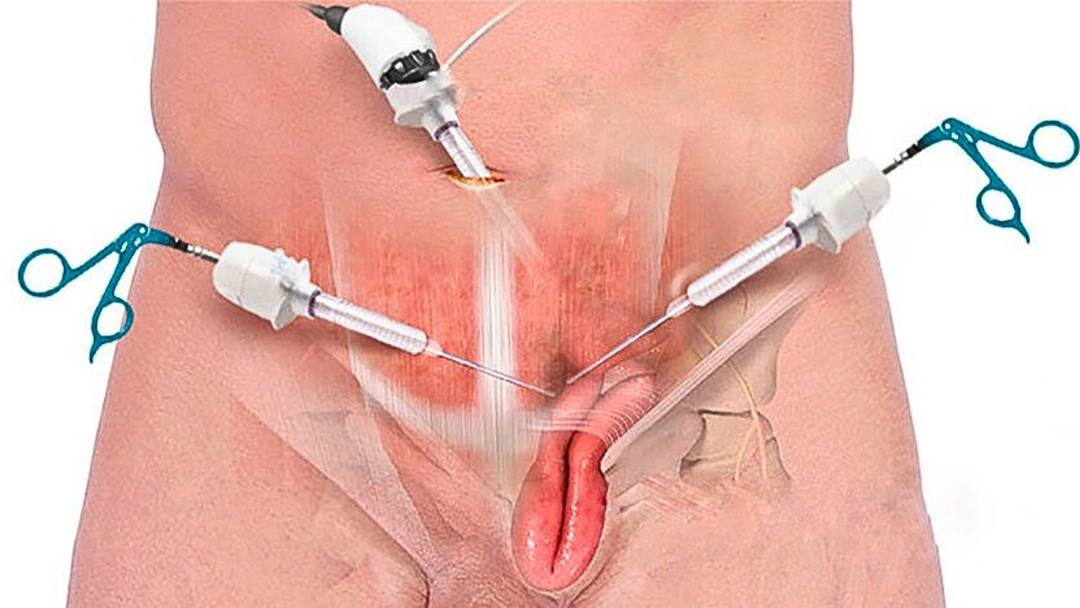
Laparoscopic repair is a minimally invasive technique. The surgeon makes several small incisions in the abdomen. A tiny camera (laparoscope) and specialized instruments are inserted through these incisions to repair the hernia. This method also typically utilizes mesh for reinforcement.
Robotic-assisted repair is another minimally invasive option available in many Los Angeles medical centers. Similar to laparoscopic surgery, it uses small incisions and a camera. However, the surgeon controls robotic arms that offer enhanced precision and visualization inside the abdomen.
Minimally invasive options generally result in less post-operative pain and a quicker return to normal activities. However, open repair may be necessary for very large hernias or for patients who have had extensive prior abdominal surgeries. Your consultation will help determine the safest path for you.
Preparation for surgery usually begins with a thorough pre-operative evaluation. This may include blood tests, an EKG, and a review of your medical history. Your surgeon will give you specific instructions regarding your current medications, particularly blood thinners.
You will likely be instructed not to eat or drink anything after midnight the night before your procedure. On the day of surgery, you will meet with the anesthesia team to discuss your sedation. Most hernia repairs are performed under general anesthesia, meaning you will be asleep during the procedure.
The surgery itself typically takes about an hour, though this varies by case. After the procedure, you will be taken to a recovery room where nurses will monitor your vital signs as you wake up. Most inguinal hernia repairs are outpatient procedures, meaning you can go home the same day.
Recovery at home involves managing mild to moderate pain. Your doctor will prescribe pain medication or recommend over-the-counter options. Ice packs can help reduce swelling in the groin area. It is important to rest but also to get up and walk around gently to promote blood flow.
Most patients can return to light activities within a few days to a week. Strenuous exercise and heavy lifting, however, must be avoided for several weeks to allow the repair to heal properly. Your surgeon will provide a clear timeline for resuming your normal routine.
Like all surgical procedures, inguinal hernia repair carries some risks. General risks include bleeding, infection, and reactions to anesthesia. Specific to hernia repair, there is a small risk of injury to nearby structures, such as blood vessels or the vas deferens in men.
Chronic groin pain is a potential long-term complication, though it is relatively rare. Recurrence of the hernia is also possible, although the use of mesh significantly lowers this risk compared to suture-only repairs. Discussing these risks openly with your surgeon can help manage expectations.
The benefits of surgery are substantial. Most patients experience complete relief from the pain and discomfort caused by the hernia. The bulge disappears, and the risk of emergency complications like strangulation is eliminated.
Recovery is generally smooth, but patience is key. Listening to your body and following your surgeon’s post-operative instructions will minimize the risk of complications. If you notice signs of infection, such as fever or increasing redness at the incision site, contact your doctor immediately.
Quality of life often improves dramatically after recovery. Patients are able to return to hobbies, work, and exercise without the nagging worry of their hernia worsening. The peace of mind that comes with a successful repair is invaluable.
Choosing the right surgeon is perhaps the most critical step in your treatment journey. Los Angeles is home to many highly skilled medical professionals, but finding a specialist who focuses on abdominal wall reconstruction can make a difference in your outcome.
Look for a surgeon who is board-certified and has significant experience performing both open and minimally invasive hernia repairs. Experience matters; surgeons who perform a high volume of hernia repairs are often better equipped to handle complex cases and potential complications.
It is helpful to seek a consultation where you can ask questions. Ask about the surgeon’s preferred techniques and their personal recurrence rates. A good surgeon will be transparent about their experience and will take the time to explain why a specific approach is right for you.
Local hospitals and specialized centers in Torrance and the greater Los Angeles area often have dedicated departments for hernia care. Patients considering inguinal hernia repair Los Angeles can explore dedicated hernia centers that offer individualized evaluation and a range of surgical options.
Do not hesitate to seek a second opinion if you feel unsure. Your comfort and confidence in your surgical team are essential for a positive experience. Taking the time to research and select a qualified provider will set the stage for a successful recovery.
Comments (0)