Understanding the Medical Standard of Care: A Guide for Medical Students in 2026
9 months ago 568


As you move through medical training, few ideas matter more than the medical standard of care. It is the link between what you do at the bedside and how your actions are judged—clinically, ethically, and legally. Learning isn’t just about “avoiding lawsuits.” It’s about practicing medicine in a way that is careful, current, and worthy of patient trust.
Medicine is an art practiced within a disciplined and professional framework. The standard of care defines the expectations of that framework. It is the promise that you will make decisions that a prudent, reasonably competent clinician would make in similar circumstances—using the best information available at the time.
The standard of care has a dual identity:
These two sides are deeply connected. Modern practice expects you to deliver evidence-informed care and to be able to explain and document how you arrived at your decisions.
Clinically, the standard of care is generally understood as the level of skill, knowledge, and care that a reasonably competent professional with similar training would provide under comparable circumstances.
A vital point—especially for students who fear “getting everything right”—is that this standard is not a guarantee of perfect outcomes. Medicine is uncertain. Patients vary, diseases behave unpredictably, and complications happen even with excellent care. For that reason, the standard focuses more on the process than the result:
A bad outcome alone does not prove substandard care. The key question is whether the clinician’s decisions and actions were reasonable under the circumstances. Still, the stakes are high: widely cited estimates suggest medical errors contribute to a large number of deaths annually, underscoring why careful adherence to accepted practice matters so much.
In law, the standard of care is central to malpractice claims. Plaintiffs typically must prove four elements (often summarized as the “Four Ds” of negligence):
In practice, a medical malpractice lawyer uses these elements to evaluate whether a case is viable and what evidence is needed. From a student’s perspective, this is a helpful framework because it clarifies what “being careful” actually means in practice. Courts and reviewers don’t simply ask, “Did something go wrong?” They ask, “Did the clinician depart from what a prudent peer would have done, and did that departure cause harm?”
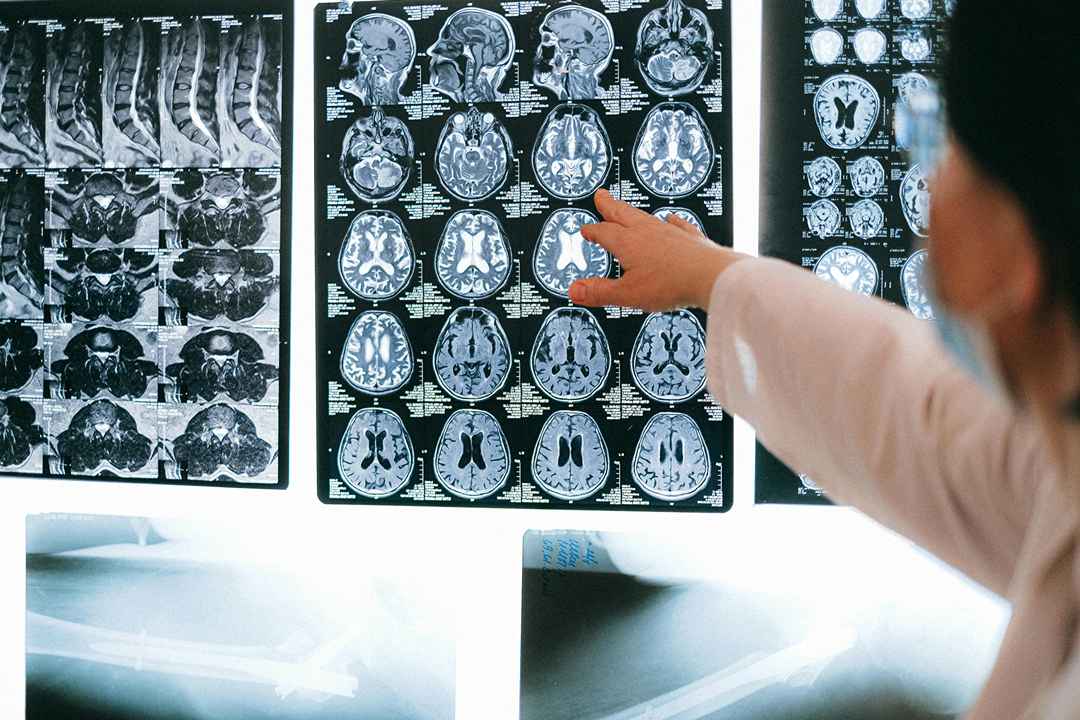
The standard of care is not abstract. It is built from the sources clinicians use to define competent practice today. If your practice depends on outdated habits or unsupported shortcuts, you are more likely to fall below the standard—especially in high-risk settings.
Key contributors include:
Professional bodies issue guidelines based on systematic reviews of evidence and expert consensus. While guidelines are not infallible “rules,” they often represent what many clinicians consider best practice. In many situations, following a well-regarded guideline supports the argument that your care was reasonable. When you deviate, you should have a defensible reason—and you should document it.
Medical journals are the engine of evidence-based practice. They update clinicians on new therapies, diagnostic strategies, and risks. You are not expected to memorize everything, but you are expected to develop the habit of checking reliable sources, especially when decisions are high-stakes or evolving.
Hospitals translate broader evidence into local protocols—sometimes because of available resources, staffing, or safety initiatives. These policies matter because they set expectations for how care is delivered in that setting. In procedural fields, protocols (for example, anatomy-related safety steps) can be crucial to avoiding preventable harm.
In legal settings, the “standard” is often explained through expert witnesses—clinicians in the same specialty who describe what a prudent provider would likely do in similar circumstances. Even outside court, expert consensus shapes training, guidelines, and institutional norms.
You will hear a phrase repeatedly in training: “If it isn’t documented, it didn’t happen.” It’s blunt, but it captures a real risk.
Documentation is how you demonstrate that you met the standard of care. A clinician might perform a careful exam and make a reasonable decision, but if they fail to record key negatives, the differential diagnosis, or the rationale for a plan, it can look—after the fact—like they didn’t consider serious possibilities.
Strong documentation does more than list actions. It shows your clinical thinking, including:
As a student, practicing clear, timely notes is one of the most practical ways to build safety and professionalism.
A critical reality: the standard of care is dynamic. It changes as evidence advances, new technology becomes common, and professional expectations shift. What was acceptable a decade ago may be discouraged—or even considered negligent—today.
For example, organizations like the American Diabetes Association update their Standards of Care regularly, and emerging guidance in areas like continuous glucose monitoring and clinical decision support reflects the broader trend: tools that improve accuracy and safety can gradually become part of what is “reasonably expected.” Similarly, as healthcare systems explore AI-enabled workflows, the expectation to use validated tools appropriately may grow over time.
The takeaway isn’t “technology will replace judgment.” It’s that lifelong learning is part of competence.
One of the hardest (and most important) distinctions in medicine is separating an unavoidable adverse outcome from a breach of duty.
A poor outcome can happen even when care was appropriate—due to disease severity, biology, or unpredictable complications. A breach happens when the clinician’s actions deviate from what a prudent peer would do, and that deviation causes harm.
A simple way to compare:
This isn’t about blame—it’s about sharpening clinical judgment, recognizing risk, and closing gaps before they become injuries.
When a breach is suspected and a patient is harmed, the legal process tends to be slow and evidence-heavy. Records are reviewed, timelines reconstructed, and independent experts consulted to evaluate whether the care met the professional benchmark. For patients, this can be confusing and emotionally draining. For clinicians, it can be intimidating—but understanding the process reinforces a key lesson: careful reasoning, appropriate actions, and strong documentation protect patients and providers alike.
Ultimately, the standard of care exists to support safety, trust, and professionalism. It demands diligence, not perfection. It asks you to act in the patient’s best interest, grounded in the best available evidence, and to communicate and document your reasoning clearly.
Start building this mindset now. Learn guidelines without treating them as rigid scripts. Practice thorough notes. Cultivate the habit of asking, “What would a prudent clinician do? Why?” That, more than anything else, is what turns medical knowledge into reliable patient care.
Comments (0)