Non-Clinical Support That Protects Health: Personal Care, Medication Reminders and Daily Monitoring
7 months ago 426

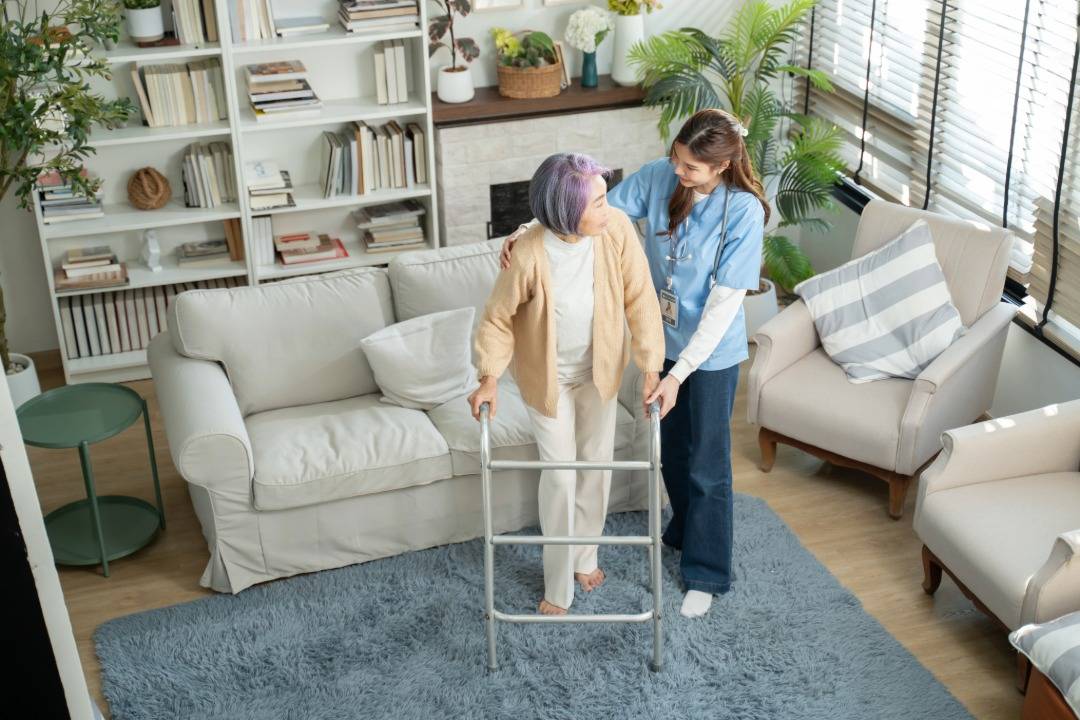
When people hear "healthcare," they usually picture hospitals, doctors, and nurses. Yet most of the small daily decisions that keep us healthy happen at home: Did I take my medication? Did I eat well, shower, and move enough today? For older adults and people with chronic illness or disability, these ordinary tasks can become the very points where health unravels.
Non-clinical support—help from support workers who aren't nurses or doctors—steps in here. Done well, it prevents medication errors, picks up early warning signs, and reduces emergency visits. Understanding what non-clinical support includes and how it works alongside clinical care is essential for NDIS participants and their families.
Experienced providers like TQN Care train their support workers to understand the important boundary between everyday support and clinical care, ensuring participants stay safe while maintaining independence at home.
Non-clinical support is assistance that doesn't require professional nursing or medical judgment. It includes:
These tasks sit within what Australia's National Disability Insurance Scheme (NDIS) calls "daily living" or "core supports." They don't involve diagnosing conditions, prescribing medications, changing doses, giving injections (unless there's an approved protocol), or providing complex wound care.
Understanding where non-clinical support ends and clinical care begins is crucial for everyone's safety. A well-intentioned support worker might agree to "just this once" give an extra pain tablet, check a wound, or make a health decision. Each of these actions crosses into clinical territory and creates safety and legal risks.
What support workers CAN do:
What support workers CANNOT do:
Best-practice providers give support workers clear written guidance for each participant, so everyone knows what's appropriate and when to contact a nurse or doctor.
Medication non-adherence is a significant problem in Australia, contributing to thousands of preventable hospital admissions each year. Simple reminder systems—phone alarms, organized pill boxes, or a support worker saying "Here are your morning tablets"—can dramatically reduce this risk.
Research shows that participants who receive daily medication prompts from support workers have fewer unplanned doctor visits. The key is that support workers stick to prompting and leave dose decisions to prescribers.
Real-world example: Margaret, 72, lives independently with support for daily tasks. She has diabetes and heart conditions requiring six different medications at specific times. "I'd forget, or take things twice, or get confused," she explains. Her support worker now uses a simple checklist each morning and evening, prompting Margaret to take her pre-organized medications. "It's made such a difference. My last doctor visit, my blood sugar control was the best it's been in years. And I haven't had any mix-ups since we started this system."
Monitoring isn't just friendly conversation—it's structured observation that helps identify problems before they become emergencies. Support workers can be trained to notice and record important changes:
When support workers record these observations consistently, patterns emerge. A gradual decline in appetite combined with increased sleeping might signal the start of an infection. Early reporting means early treatment—often avoiding hospital entirely.
TQN Care's support services include daily monitoring as part of their person-centered approach, with support workers trained to recognize when changes need to be reported to nurses, doctors, or families.
Every good support plan includes clear guidance on when support workers should report concerns and who to contact.
Immediate (call 000 or emergency contact):
Same day (contact nurse or GP):
Next scheduled contact:
Support workers should never feel they must diagnose—they simply collect information and pass it to the appropriate person.
Real-world example: David's support worker noticed he seemed more tired than usual over three days, was eating less, and his face looked flushed. She took his temperature (slightly elevated) and called the on-call nurse as per their guidelines. The nurse arranged a same-day GP visit, which revealed a urinary tract infection. "If we'd waited another few days, David might have ended up in hospital," his daughter says. "The support worker didn't diagnose anything—she just noticed changes and reported them. That's exactly what we needed."
The best outcomes happen when non-clinical support workers and clinical professionals work as a coordinated team. This is especially important for people with complex needs who require both nursing support and help with daily living.
This integrated approach ensures that participants get the clinical expertise they need while maintaining maximum independence in their daily routines.
When selecting an NDIS provider for support that includes health-related tasks, ask these important questions:
Quality providers will have clear answers and written policies they're happy to share.
Be cautious if:
Structured non-clinical monitoring and support is cost-effective. Research shows that every dollar spent on this type of support for high-risk NDIS participants saves money by avoiding emergency visits and hospital stays.
The savings come from catching problems early: a urinary tract infection treated with oral antibiotics instead of hospitalization, pressure areas prevented through regular repositioning, dehydration addressed before it becomes serious.
Healthcare doesn't begin and end in clinics and hospitals. It's created through the small, repeatable actions of everyday life. Non-clinical support, properly delivered with appropriate clinical oversight, quietly keeps people healthy, independent, and out of the hospital.
For NDIS participants and their families, understanding the role of non-clinical support means:
Non-clinical support is health-protective when it focuses on prompting, observing, and reporting—never diagnosing or changing treatment. Clear guidelines and good communication keep participants safe and support workers confident in their role.
The mundane daily actions—a medication reminder, noticing a change in appetite, helping someone shower safely—are the foundation of good health. When non-clinical support workers are properly trained, supported, and integrated with clinical care, they provide invaluable protection that helps people with disability live well at home.
If you're considering NDIS support that includes health-related tasks, look for providers who understand this balance, have clear policies, train their workers well, and work collaboratively with healthcare professionals. This combination creates the safest, most effective support for maintaining health and independence.
Comments (0)