Why Alcohol Awareness Is Essential for Early Prevention and Recovery
7 months ago 360


Millions of people worldwide are experiencing alcohol use disorder, but many do not know how to deal with it without a proper understanding of warning signals and the resources at their disposal. The initial move to preventing addiction and recovery of the sufferers is alcohol awareness. Learning about the risks of alcohol abuse, the patterns of dependency, and where to seek help are the issues that will literally save lives. The early intervention that is fuelled by education provides an opportunity to people to be in control before their alcohol consumption turns into severe health problems. This guide, which is a comprehensive one, seeks to understand the importance of alcohol awareness and how it can be used as a key preventive and long term recovery tool.
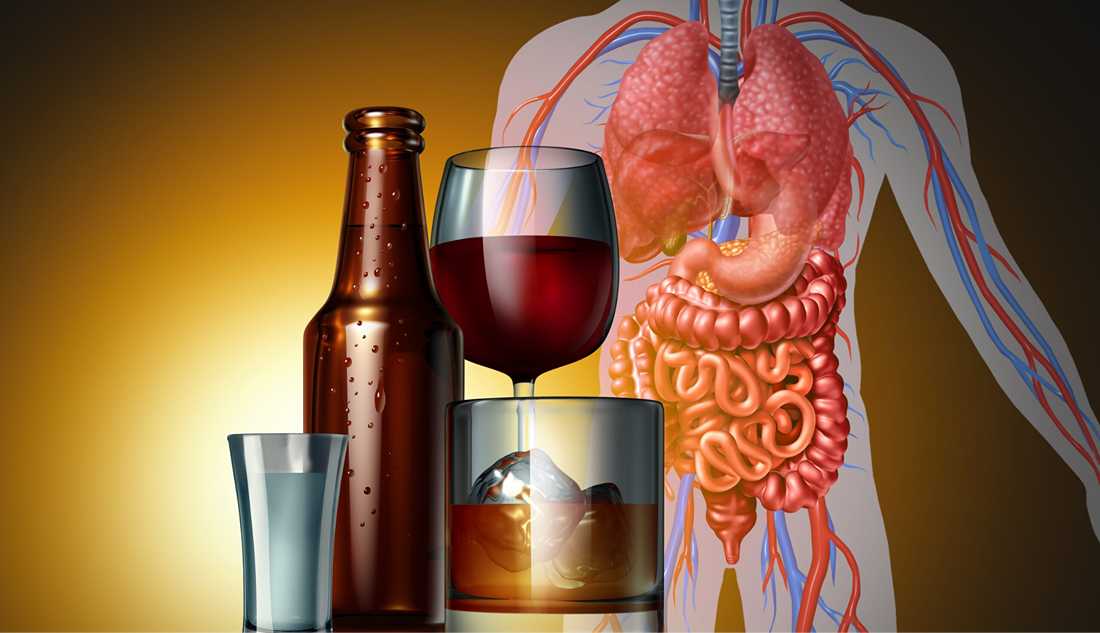
Alcohol abuse impacts almost every organ in your body with severe long term health effects even outside the addiction. To get familiar with understanding alcohol dependence, it is imperative to note that the drug affects your liver, heart, brain, and digestive system at the same time. The health consequences and alcohol misuse and its health effects goes way beyond hangovers - chronic alcoholism predisposes individuals to cirrhosis, cardiovascular disease, some cancer, and even neural injury. Lots of individuals are unaware of the swiftly developing patterns of problematic drinking that may start as a casual one. With the creation of alcohol awareness, people will be able to recognize the warning signs in the early stage: unable to control alcohol consumption, persistency in drinking even though it hurts him, growing tolerance, and withdrawal symptoms. The awareness of such indicators enables individuals to seek assistance before the state of things deteriorates.

Good alcoholism prevention resources are based on education, early-stage detection and the availability of ready help. The quality prevention programs make people aware of the impact of alcohol on the body and brain and deal with such risk factors as stress, trauma, and genetic predisposition. An alcohol awareness and recovery efforts focus on the fact that prevention is not merely about abstinence, but rather, about the ability to build healthy relationships with alcohol and knowing personal boundaries. Education about the community, school-based education, and wellness programs at the work places all help in the mitigation of alcohol use disorders by promoting the knowledge about the impact of alcohol on different individuals basing on their genetic, gender, age, and the overall health.
The information about how to find alcohol help and support is important to the families and individuals suffering due to drinking issues. The alcohol intervention programs may be either a short-term counseling session or a long-term residential treatment session and may be used in various levels of severity and personal conditions. The best drinking awareness and health risks education can assist the family in realizing when the intervention is needed and how they can approach the loved ones in a respectful manner. Family change is facilitated by professional interventionists, who lead families in discussions intended to give the families the push towards change without facilitating the destructive nature.
Alcohol recovery education offers continuous care that is very important in keeping sobriety. The realization that relapse is not unusual is that the majority of people go through ups and downs in their recovery, and this relapse allows those affected to assume realistic expectations as they go through the recovery process with self-forgiveness. Recovery programs entail a combination of evidence-based treatments, support groups, and training of life skills to treat the underlying causes of understanding alcohol dependence and establishment of sustainable coping strategies. On-going alcohol awareness and education keeps the recovering individuals aware of their triggers and shows perseverance to the recovery process.
The prevention and recovery efforts are founded on alcohol awareness. People and families can eliminate addiction cycles and establish healthier futures by learning about alcohol misuse and its health effects, having access to quality alcoholism prevention resources and information about how to find alcohol help and support via alcohol intervention programs and alcohol recovery education.
Comments (0)