Which Dental Implant Is Right for You?
7 months ago 332

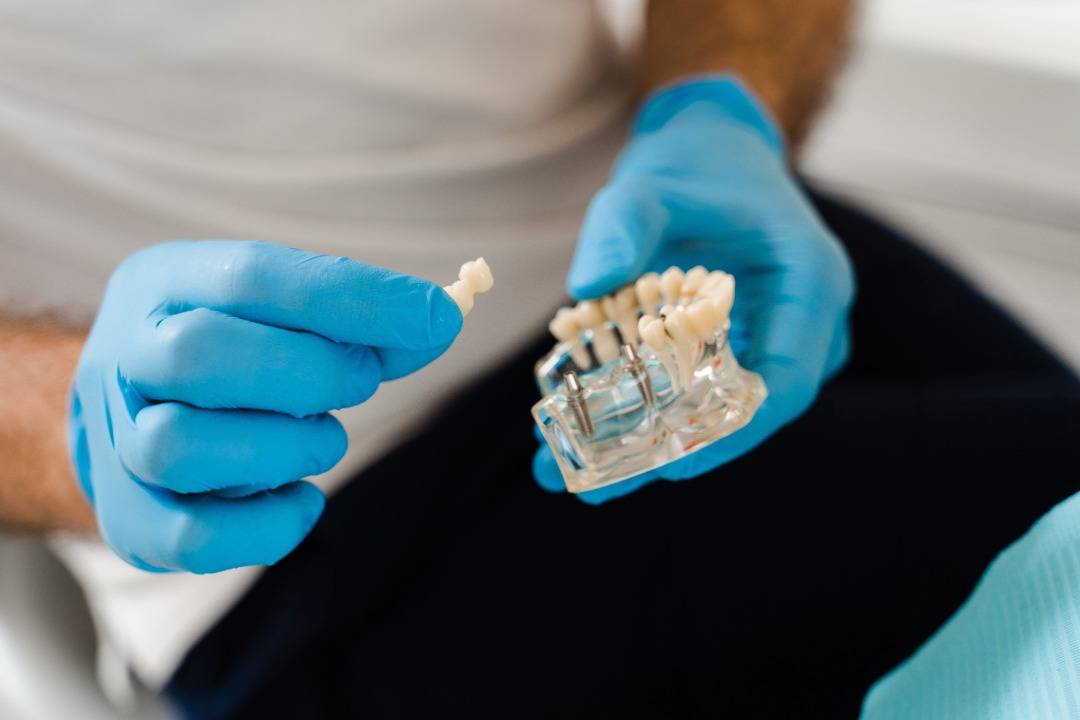
Losing a tooth can affect your confidence, your smile, and | even how you eat. Fortunately, modern dentistry offers a reliable and long-lasting solution: dental implants. These are more than just cosmetic fixes; they are functional replacements for missing teeth, designed to look, feel, and work just like your natural ones.
Endosteal implants are the most common type of dental implant used today. The name "endosteal" comes from Greek words meaning "within the bone," which perfectly describes how they are placed. These small, screw-like posts are surgically inserted directly into the jawbone, where they act as artificial tooth roots.
Endosteal implants are best for individuals who have a healthy and sufficient amount of jawbone. The bone needs to be dense enough to support the implant and fuse with it in a process called osseointegration. This fusion is what makes the implant stable and strong, providing a solid foundation for the replacement tooth. If you’re considering teeth replacements in Schererville, IN, and have good overall oral hygiene and a healthy jaw, you are likely a great candidate for this procedure.
Initial Consultation and Surgery: Your dentist will take X-rays and scans to assess your jawbone. During the first surgical appointment, the implant post is placed into the jawbone.
Osseointegration: Over the next few months, the implant will fuse with the surrounding bone. This healing period is crucial for the long-term success of the implant. You might be given a temporary denture or bridge to wear during this time.
Abutment Placement: Once the implant is securely fused, a second minor surgery is performed to attach an abutment. This small connector piece sits just above the gumline and will hold the final crown.
Crown Placement: After your gums have healed from the abutment placement, impressions of your mouth are taken to create a custom crown. This crown is then attached to the abutment, completing your new tooth.
What if your jawbone isn't strong enough for an endosteal implant? In that case, a subperiosteal implant might be the answer. The term "subperiosteal" means "on top of the bone." Unlike endosteal implants, these are not placed in the jawbone but rest on it, underneath the gum tissue.
A subperiosteal implant consists of a metal framework designed to fit over the existing jawbone. The posts attached to this frame protrude through the gums, providing anchors for the replacement teeth.
This type of implant is an excellent alternative for patients who have experienced significant bone loss and do not have enough healthy jawbone to support an endosteal implant. It's also an option for those who are unable or unwilling to undergo a bone grafting procedure to build up the jawbone.
The process for placing a subperiosteal implant differs slightly from the endosteal method:
Creating the Framework: Traditionally, this required two surgical procedures. The first involved making an incision in the gum to take an impression of the jawbone. Today, this is often done using advanced 3D imaging like CT scans, which allows a custom framework to be created without an initial surgery.
Placing the Framework: During the surgical appointment, the gum is opened, and the custom-fit metal framework is placed directly onto the jawbone.
Healing: The gums are then closed over the frame, leaving the posts exposed. As the tissue heals, it holds the framework securely in place.
Attaching the Crown: Once healing is complete, the artificial teeth (crowns or a bridge) are attached to the posts.
Zygomatic implants represent the most complex of the three types and are reserved for cases of severe bone loss in the upper jaw. When there isn't enough jawbone to support even a subperiosteal implant, zygomatic implants offer a viable solution by using a different anchor point: the cheekbone.
The zygomatic bone (or cheekbone) is very dense and provides a strong, stable foundation for implants. These implants are much longer than traditional ones, allowing them to extend from the upper jaw up to the cheekbone.
Zygomatic implants are specifically for patients with extreme bone atrophy in the upper jaw, where bone grafting is not feasible or has failed. This might be due to age, long-term denture use, or other medical conditions. They provide a way to get secure, fixed teeth without the need for extensive bone grafting procedures.
The placement of zygomatic implants is a specialized procedure performed by a highly trained oral surgeon:
Advanced Planning: Extensive 3D imaging and careful planning are required to map out the precise placement of the implants.
Surgical Placement: The long implants are inserted through the upper jaw and anchored into the zygomatic bone. In many cases, a full arch of temporary teeth can be attached on the same day as the surgery.
Healing and Final Restoration: After a healing period, the final, permanent set of replacement teeth is attached, providing a fully functional and aesthetic result.
| Feature | Endosteal Implants | Subperiosteal Implants | Zygomatic Implants |
| Placement | Inside the jawbone | On top of the jawbone | Anchored in the cheekbone |
| Ideal Candidate | Healthy, dense jawbone | Insufficient jawbone height | Severe upper jaw bone loss |
| Bone Grafting | May be needed | Not typically required | Avoids sinus/bone grafts |
| Complexity | Most common, standard procedure | More complex than endosteal | Most complex, requires a specialist |
| Best For | Single or multiple tooth replacement | Patients avoiding bone grafts | Full upper arch replacement with bone loss |
Choosing the right dental implant is a significant decision that can restore your smile, improve your ability to eat, and boost your self-esteem. While endosteal implants are the most common solution, subperiosteal and zygomatic implants provide excellent alternatives for those with bone loss.
Comments (0)