Managing High Blood Pressure: Your Complete Guide to Prevention and Treatment
7 months ago 397

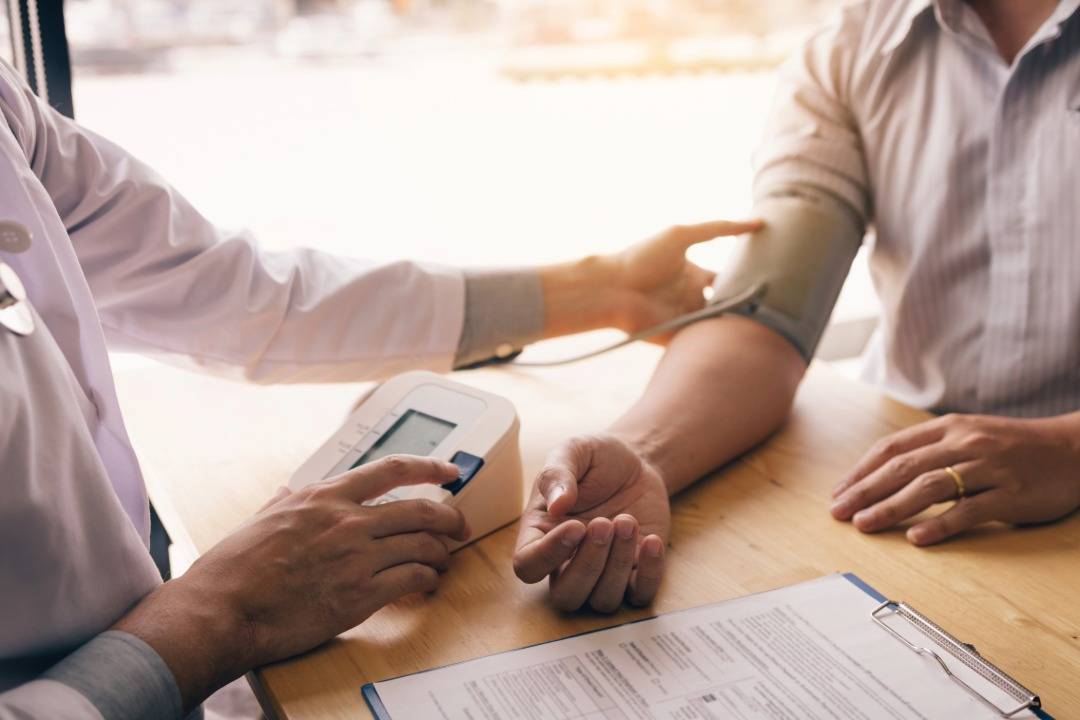
High blood pressure, medically termed hypertension, affects nearly half of all adults worldwide yet remains one of the most misunderstood and undertreated chronic conditions. Often called the "silent killer," hypertension typically causes no symptoms while quietly damaging blood vessels, heart, kidneys, and brain over years and decades. Understanding how to prevent, detect, and manage this condition represents one of the most important steps anyone can take to protect long-term health.
The statistics reveal a sobering reality: hypertension contributes to over 500,000 deaths annually in the United States alone, playing a major or contributing role in conditions including heart attack, stroke, heart failure, and kidney disease. Yet up to 80% of cardiovascular events related to hypertension are preventable through lifestyle modifications and appropriate medical treatment. The challenge lies not in availability of effective treatments but in recognizing the condition and maintaining consistent management over decades.
Blood pressure measurements consist of two numbers representing different phases of the cardiac cycle. Systolic pressure, the top number, measures pressure when the heart contracts and pumps blood. Diastolic pressure, the bottom number, measures pressure when the heart relaxes between beats. Both numbers matter for cardiovascular health.
Current guidelines classify blood pressure into distinct categories. Normal blood pressure measures below 120/80 mmHg. Elevated blood pressure ranges from 120-129 systolic and less than 80 diastolic. Stage 1 hypertension is defined as 130-139 systolic or 80-89 diastolic. Stage 2 hypertension exceeds 140/90 mmHg. Hypertensive crisis, requiring immediate medical attention, occurs when pressure exceeds 180/120 mmHg.
These classifications aren't arbitrary—they reflect cardiovascular risk at different pressure levels. Risk increases continuously with higher blood pressure, with no safe threshold. Even people with elevated blood pressure (formerly called "prehypertension") face higher cardiovascular risk than those with optimal pressure.
"What patients often don't realize is that hypertension damages the body silently for years before causing obvious problems," explains Dr. Rab Nawaz Khan, Consultant Stroke Medicine at MyMSTeam. "By the time symptoms appear—chest pain, shortness of breath, severe headaches—significant organ damage has already occurred. This is why screening and early intervention are so critical. We need to identify and treat hypertension before it causes irreversible harm."
Hypertension develops through complex interactions between genetic predisposition and environmental factors. Some risk factors are unchangeable—age, family history, race, and ethnicity all influence blood pressure and hypertension risk. Blood pressure naturally increases with age, with the majority of people over 60 experiencing hypertension. Family history of hypertension substantially increases individual risk. Black adults face higher hypertension rates and develop it at younger ages compared to other racial groups.
Modifiable risk factors offer opportunities for prevention and management. Obesity represents one of the strongest modifiable risk factors, with every 10 kg of excess weight raising blood pressure by 2-3 mmHg. Physical inactivity contributes independently—sedentary individuals face 30-50% higher hypertension risk than active peers. Excessive sodium intake, with Americans consuming 50% more sodium than recommended limits, directly raises blood pressure. Excessive alcohol consumption—more than two drinks daily for men or one for women—elevates pressure. Chronic stress contributes through multiple mechanisms including elevated stress hormones and unhealthy coping behaviors like overeating or excessive drinking.
In approximately 90-95% of cases, no single cause is identified, termed primary or essential hypertension. The remaining 5-10% have secondary hypertension with identifiable causes including kidney disease, sleep apnea, hormonal disorders, or certain medications. Identifying secondary causes is important as treating the underlying condition may cure or improve hypertension.
Chronic elevated blood pressure damages the cardiovascular system through multiple mechanisms. Constant pressure injures blood vessel walls, making them stiff and narrowed. This process, called atherosclerosis, occurs throughout the body, affecting arteries supplying the heart, brain, kidneys, and legs.
Heart damage manifests in several ways. The heart muscle thickens as it works harder to pump against elevated pressure, a condition called left ventricular hypertrophy. This thickening impairs heart function and increases risk of heart failure, dangerous arrhythmias, and sudden cardiac death. Coronary arteries supplying the heart muscle develop atherosclerotic blockages, causing angina and heart attacks.
Brain damage from hypertension includes both acute and chronic effects. Acutely, elevated pressure increases stroke risk—hemorrhagic strokes from vessel rupture and ischemic strokes from blockages. Chronically, hypertension causes small vessel disease, leading to white matter damage, silent brain infarcts, and cognitive decline progressing to vascular dementia.
Kidney damage develops gradually as elevated pressure injures the delicate blood vessels within kidneys responsible for filtering waste. Progressive kidney damage may advance to kidney failure requiring dialysis or transplantation. Eyes suffer damage to retinal blood vessels, potentially causing vision loss. Peripheral arteries become narrowed, causing leg pain with walking and increasing amputation risk.
Lifestyle changes form the foundation of hypertension prevention and management. Even small modifications produce meaningful blood pressure reductions, while comprehensive lifestyle changes can eliminate the need for medication in many people with stage 1 hypertension.
Dietary approaches yield impressive results. The DASH (Dietary Approaches to Stop Hypertension) diet emphasizes fruits, vegetables, whole grains, lean proteins, and low-fat dairy while limiting saturated fat, cholesterol, and sodium. Following DASH lowers blood pressure by 8-14 mmHg in hypertensive individuals. Sodium restriction to under 2,300 mg daily, and ideally to 1,500 mg, reduces pressure by 5-6 mmHg. Even modest sodium reduction produces benefit—each 1,000 mg daily reduction lowers pressure by 2-3 mmHg.
The Mediterranean diet provides an alternative approach with similar benefits. Rich in olive oil, nuts, fish, vegetables, fruits, and whole grains while limited in red meat and processed foods, this pattern reduces blood pressure and cardiovascular events. Increasing potassium intake through fruits, vegetables, beans, and low-fat dairy helps counteract sodium's effects.
Weight management significantly impacts blood pressure. Weight loss of just 5-10 pounds in overweight individuals can reduce blood pressure by 5-20 mmHg. The relationship is dose-dependent—more weight loss produces greater blood pressure reduction. Even people who don't achieve normal weight benefit from modest weight loss.
Regular physical activity lowers blood pressure through multiple mechanisms including improved vascular function, reduced sympathetic nervous system activity, and weight management. The target—150 minutes weekly of moderate-intensity aerobic activity like brisk walking—reduces blood pressure by 5-8 mmHg. Strength training provides complementary benefits. Even smaller amounts of activity help—every 30 minutes of daily activity counts.
Limiting alcohol consumption matters particularly for heavier drinkers. Men should limit intake to two drinks daily maximum, women to one drink. Reducing excessive consumption to moderate levels lowers blood pressure substantially.
Stress management through relaxation techniques, meditation, yoga, or biofeedback provides modest blood pressure reduction. While effects are smaller than dietary or exercise interventions, stress reduction contributes to overall cardiovascular health and helps sustain other healthy behaviors.
When lifestyle modifications prove insufficient, medications become necessary. Multiple drug classes effectively lower blood pressure, often requiring combination therapy to achieve target levels.
Thiazide diuretics increase urine production, reducing blood volume and pressure. These inexpensive, well-tolerated medications form the backbone of hypertension treatment. ACE inhibitors and angiotensin receptor blockers (ARBs) block hormones that raise blood pressure while providing additional cardiovascular and kidney protection. Calcium channel blockers relax blood vessel walls, reducing pressure. Beta-blockers slow the heart rate and reduce cardiac output.
Drug selection considers individual factors, including age, race, comorbid conditions, and side effect profiles. Black patients respond particularly well to calcium channel blockers and diuretics. People with diabetes benefit from ACE inhibitors or ARBs, which provide kidney protection. Those with coronary artery disease may benefit from beta-blockers.
Starting with appropriate doses and titrating gradually minimizes side effects while achieving blood pressure control. Most patients require two or more medications, often combined in single pills to improve adherence. Regular follow-up ensures adequate control and allows dose adjustments.
Medication adherence represents one of the biggest challenges in hypertension management. Patients feel fine and see no immediate benefit from taking daily medications, making it easy to skip doses or stop altogether. We work with clients to integrate medication-taking into daily routines, address side effects promptly, and help them understand that they're preventing future heart attacks and strokes. The medications work only if taken consistently.
Home blood pressure monitoring provides valuable information beyond office measurements. Many people experience "white coat hypertension"—elevated readings in medical settings due to anxiety despite normal pressure elsewhere. Others have "masked hypertension"—normal office readings despite elevated pressure in daily life.
Home monitoring requires proper technique. Use a validated automatic upper arm cuff, avoiding wrist or finger monitors which are less accurate. Measure at consistent times daily, ideally morning and evening. Sit quietly for five minutes before measuring. Rest your arm at heart level. Take two or three readings one minute apart and record all values.
Bring home blood pressure logs to appointments to guide treatment decisions. Patterns over weeks matter more than individual readings. Home monitoring also improves treatment adherence by engaging patients actively in their care.
Hypertension requires lifelong management. Blood pressure doesn't stay controlled without ongoing attention to lifestyle and medications. Many people stop medications once their pressure normalizes, not realizing the medications are what's maintaining normal pressure.
Regular medical follow-up ensures continued control. Initially, visits may occur monthly until blood pressure stabilizes. Once controlled, visits every 3-6 months monitor pressure, adjust medications if needed, and screen for organ damage. Annual laboratory testing assesses kidney function and electrolytes, which some blood pressure medications affect.
Treatment should be individualized and adjusted over time as blood pressure, medications, and health status change. What works initially may need modification later. Open communication with healthcare providers about side effects, difficulties with adherence, or changing health status allows timely adjustments.
Hypertension represents one of the most manageable chronic conditions. Lifestyle modifications provide powerful blood pressure reduction without medications. When medications are needed, multiple effective, well-tolerated options exist. Regular monitoring ensures adequate control. The combination of healthy lifestyle and appropriate medical treatment prevents the devastating complications of uncontrolled hypertension.
Know your numbers. If you don't know your blood pressure, get it checked. If it's elevated, take action through lifestyle changes and medical treatment if needed. Monitor regularly to ensure continued control. The investment in blood pressure management pays enormous dividends in preventing heart attacks, strokes, kidney failure, and other serious complications.
Your blood pressure is largely within your control. The question is whether you'll take control before hypertension takes its toll on your health.
Comments (0)