The Science of Hair Restoration
7 months ago 506

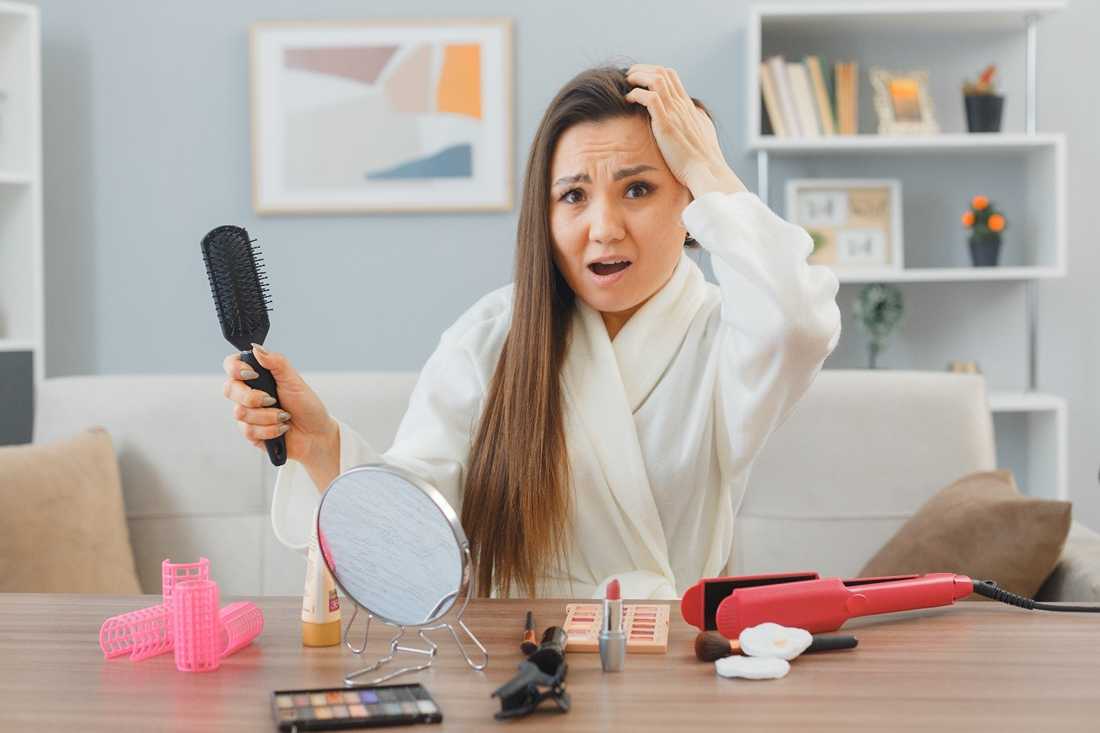
Most people think they need a new look when what they really need is healthier hair. It sounds simple, but it’s backed by biology and perception. Hair frames the face, influences symmetry, and plays a major role in how others interpret expression and vitality. When hair begins to thin or lose volume, even the most carefully chosen outfit can feel incomplete.
Fashion may dominate the conversation about confidence, but the reality is clinical. Studies in aesthetic psychology have shown that hair density directly affects perceived attractiveness and age. In other words, fuller hair doesn’t just make you look better. It makes you look healthier.
Hair is more than appearance. It’s one of the most visible indicators of wellness and self-care. From an evolutionary standpoint, hair growth has long been associated with health and stability. When it starts thinning, people notice and so do you.
Many patients describe their hair loss in emotional terms rather than physical ones. They mention looking tired, feeling less expressive, or avoiding mirrors altogether. This is common. The human eye is trained to seek balance. When that balance shifts, the brain interprets it as change, even if others can’t immediately name what’s different.
Hair loss is often misunderstood as a surface issue when it begins beneath the scalp. Each follicle cycles through growth, transition, and rest. With time, hormonal shifts and genetics can shorten the growth phase, causing hair to appear finer and less dense.
The most common cause of thinning in men and women is androgenic alopecia, a hereditary sensitivity to dihydrotestosterone (DHT). Elevated DHT causes follicles to shrink, reducing both the number and thickness of hairs produced.
Other contributing factors include:
Understanding the cause allows physicians to build targeted treatment plans instead of relying on one-size-fits-all solutions.
Today’s medical solutions for thinning hair look nothing like the procedures of the past. Advances in regenerative medicine have made it possible to stimulate natural growth without surgical intervention or visible recovery time.
At Serene Radiance, patients begin with a detailed consultation that includes medical history, scalp analysis, and a discussion of possible contributing factors such as hormones and stress. From there, the clinic’s physicians design a customized plan that may include platelet-rich plasma therapy (PRP), laser treatments, or clinically tested medications to support regrowth and scalp health.
The focus is on long-term improvement, not temporary camouflage. Treatments are gradual, measurable, and designed to complement natural biology rather than override it.
You can learn more about the clinic’s specialized approach to hair restoration and how these treatments help both men and women achieve sustainable results.
Hair transplant costs vary depending on the technique used, the number of grafts required, the surgeon's experience, and the clinic's location. In general, the procedure can range from a few hundred to several thousand dollars. Advanced methods such as Follicular Unit Extraction (FUE) are usually more expensive than Follicular Unit Transplantation (FUT). Patients should also consider additional expenses such as consultations, medications, and follow-up care when planning for a hair transplant.
PRP therapy has become a cornerstone of non-surgical restoration. It works by isolating growth factors from the patient’s own blood and reintroducing them to areas of thinning hair. These growth factors signal dormant follicles to re-enter the active growth phase.
Clinical studies show visible improvement in hair thickness, density, and strength after a series of treatments. Because PRP is derived from the patient’s blood, the risk of adverse reaction is extremely low. For patients who prefer natural, regenerative approaches, PRP remains one of the most effective options available.
Low-Level Laser Therapy (LLLT) uses red light wavelengths to improve microcirculation and cellular metabolism within the scalp. The process helps extend the growth cycle of hair and strengthens weakened follicles.
When combined with PRP or topical treatments, laser therapy reinforces results by enhancing blood flow and nutrient delivery. It is painless, non-invasive, and suitable for patients at early or moderate stages of hair thinning.
Healthy hair cannot exist without a healthy scalp. The scalp’s microbiome is an ecosystem of beneficial bacteria that regulate oil production, inflammation, and pH balance. Disruption of this system can trigger flaking, irritation, and reduced follicle function.
Professional scalp treatments that exfoliate and restore balance can significantly improve the effectiveness of medical therapies. Clinics that integrate light therapy, microneedling, and medical-grade cleansing help prepare the scalp for stronger growth.
When hair restoration is approached medically, the benefits extend far beyond physical change. Restored density often leads to visible shifts in posture, communication, and mood.
Patients frequently report feeling more comfortable in photos, more confident in professional settings, and less distracted by their appearance. These changes are measurable through quality-of-life assessments used in clinical dermatology.
Confidence, in this sense, is not cosmetic. It is neurological. Reduced stress and increased satisfaction with appearance directly influence serotonin and dopamine levels: two key regulators of mood.
Surgery is not always necessary or appropriate. For many patients, early intervention with regenerative treatments prevents the need for invasive procedures later. Non-surgical approaches also allow for ongoing maintenance and gradual results that evolve naturally.
This is especially relevant for patients who prefer discretion. Modern hair restoration focuses on subtle, believable improvement rather than dramatic transformation. The goal is not to look different but to look like yourself, uninterrupted by the signs of thinning or loss.
The global market for cosmetic treatments is filled with over-the-counter products and unregulated devices that promise results without evidence. What distinguishes legitimate medical restoration is oversight by a qualified physician.
Hair care is often dismissed as vanity, but science tells a different story. Scalp health is an extension of skin health. Addressing hair loss early can prevent secondary effects such as inflammation, itching, and follicular damage.
For patients already experiencing thinning, taking medical action restores a sense of agency. It shifts the focus from covering a problem to correcting it. That change alone often leads to visible improvements in how patients carry themselves and how they interact socially.
Self-care, at its core, is not indulgent. It is preventive medicine.
The best hair restoration results come from consistency. Just as fitness and nutrition require ongoing effort, scalp health benefits from maintenance treatments and routine monitoring.
Periodic PRP sessions, continued use of physician-recommended products, and regular scalp evaluations help preserve results and adapt to changing needs over time. Patients who approach restoration as a long-term investment tend to achieve stronger, more sustainable outcomes.
Clothing, skincare, and grooming all contribute to how we present ourselves, but hair is what completes the picture. It softens edges, creates balance, and communicates vitality before a single word is spoken.
Great style begins where health does, at the scalp. For anyone looking to refresh their appearance, addressing hair loss or thinning is not an aesthetic shortcut. It’s the foundation of looking and feeling like yourself again.
The connection between hair and confidence is both emotional and scientific. Healthy hair reflects internal balance, hormonal stability, and cellular health. Addressing its loss through medical treatments offers more than cosmetic improvement; it restores a sense of control.
The next time you think about upgrading your wardrobe, consider where your look truly begins. Because no matter how refined the clothes, the impression starts at the scalp.
Comments (0)