How to Stay Active Without Overstraining Your Body
7 months ago 433


While physical activity is important for your overall health, pushing yourself too hard can sometimes be dangerous. Regular movement improves strength, flexibility, and energy levels. On the other hand, overstraining yourself can cause soreness, exhaustion, or injuries.
The secret is to look for a balanced approach that keeps you moving while giving your muscles and joints the care they need. Learning to listen to your body can make a huge difference, whether you’re a newbie or a pro. Read on to learn how to stay active while protecting yourself.
Physical activity is important for everyone because it supports the body and mind in different ways beyond fitness. By moving regularly and staying active, you’ll keep your heart strong, improve circulation, and enhance your body’s overall energy levels.
Exercise also strengthens muscles and joints; this means that everyday tasks will be easier and there will be fewer risks of injuries. Staying active also supports your mental well-being since it cuts stress, improves your mood, and helps you focus better. Other benefits include:
Unlike what many people imagine, physical activity does not always have to be intense. Simple exercises like walking, stretching, and dancing can make a lot of difference. The key here is building active habits that align with your lifestyle.
You might face a lot of issues if you overstrain yourself while trying to keep fit. Since people are different, these problems are not the same for everyone who pushes too hard. Some of the disadvantages of putting too much strain on your body include:
When you strain yourself too much, you may notice your strength, speed, and endurance declining. Workouts and exercises that previously felt easy may become difficult for you. To get back in shape, you must give your body enough time to recover.
One of the biggest disadvantages of pushing yourself too hard physically is persistent fatigue. Even after getting ample rest or sleep, you may still feel exhausted. Strain also leads to significant drops in your energy levels, even during the day.
A little bit of soreness after a workout is typically normal. However, you might be pushing too hard if you notice that the sore feeling persists long after you’re done with your workout. Your muscles might also feel tender if you overwork them.
When you overstrain your body, your immune system becomes weakened. This makes you more prone to flu, cold, and other illnesses. If you’re falling sick unusually, it might be time to tone down on the physical activity and get some rest.
Surprisingly, overstraining yourself also affects your mental health. If you’re pushing yourself too hard, you might feel unusually anxious, irritable, or depressed. Excessive training causes hormonal imbalances, which account for this switch in attitude.
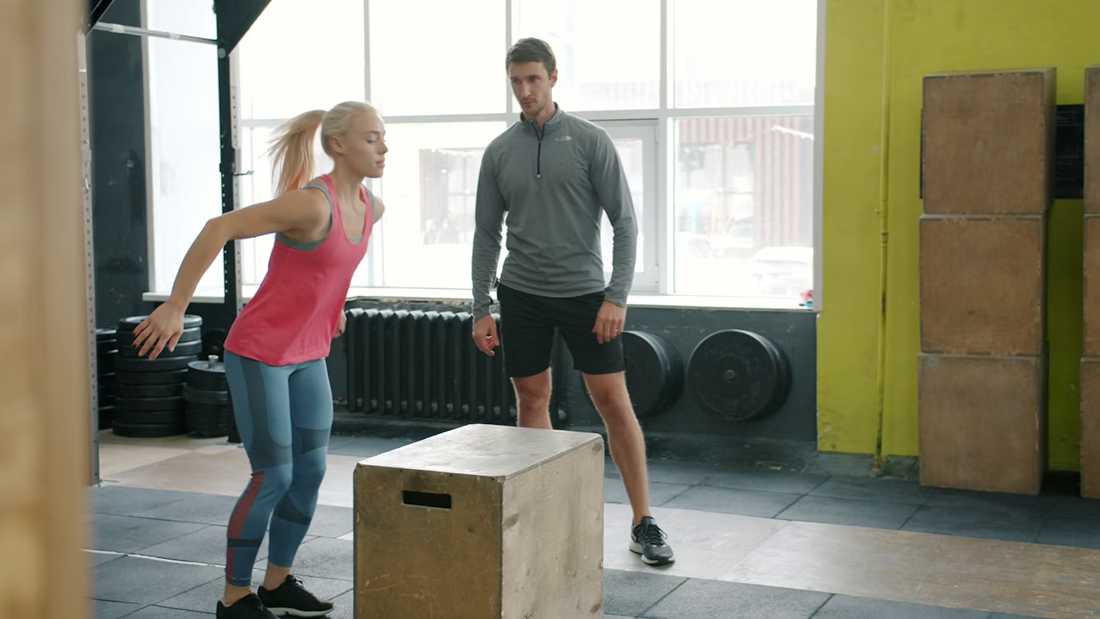
When targeting peak physical fitness, you might be tempted to max out every exercise. While sometimes effective, it is also advisable to maintain care as you stay active. So, here are eight tips you’ll find helpful when looking to protect yourself as you stay active:
Listen to the signs and signals that your body sends as you perform your exercises. If you feel unusually tired, notice a drop in your performance, or feel pain, call it a day. For instance, if you notice symptoms like left side abdominal pain, consult a medical expert.
People typically deal with stress in their own different ways. If you do not pay attention to your stress levels when trying to stay active, it might affect your health. Even while prioritizing fitness, adjust your lifestyle to reduce its impact.
Your rest days are equally as essential as training days. People generally need different resting periods. However, consider taking one or two days off from training to give your muscles enough time to recover, build a stronger body and mind, and avoid overstraining yourself.
Do not increase the duration, frequency, or intensity of your workouts too quickly, even when looking to stay active. Instead, move gradually to avoid getting overwhelmed and overstrained while you allow your body to adapt to the new challenges naturally.
For people who undergo regular physical activity, overuse injuries due to strain are common. That is why you must vary your workouts and mix up your routine. Consider performing different activities like cardio, strength training, and flexibility workouts.
If you’re working out alone, you might make certain mistakes or find it difficult to stick to your routine. Find a partner who is willing to exercise with you. Preferably, go for someone with more experience since they can offer guidance.
A proper diet gives your body the energy and nutrients it needs to recover and stay healthy. When training mindfully, adopt a diet rich in fruits, lean proteins, whole grains, and vegetables. Stay off excessive sugar, saturated fats, and processed foods.
You might find it difficult to recover and avoid strain without a good night’s sleep. In fact, inadequate sleep causes you to be sluggish, tired, and irritable. Target seven to nine hours of sleep each day for better physical and mental recovery.
When engaging in physical activity, you must also look to avoid overstraining your body. This means paying attention to your body, managing stress, getting enough rest, varying your workouts, eating well, and progressing gradually.
Comments (0)