Beyond the Report: The Consultative Radiologist
9 months ago 515

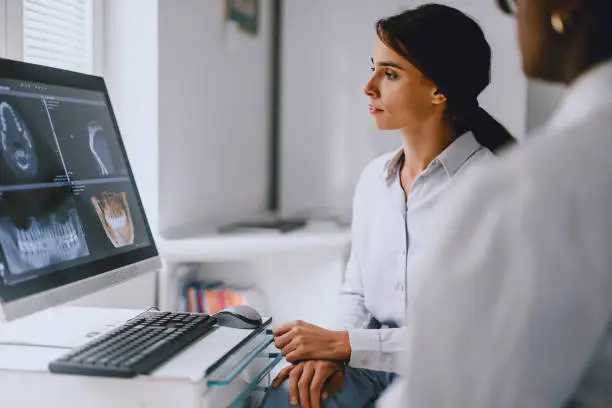
In modern medicine, the radiology report is a cornerstone of patient diagnosis and management. For clinicians—from junior doctors in the emergency room to specialists in outpatient clinics—it provides a critical window into the patient’s condition. However, the true value of a radiologist’s expertise often lies beyond the words typed in the final report. The paradigm is shifting from the radiologist as a remote “image interpreter” to a “consultative radiologist”: an active, integrated member of the patient care team who serves as a vital diagnostic partner.
This article explores this evolving role, illustrating how deeper collaboration with radiologists can significantly enhance clinical decision-making and improve patient outcomes.
A standard radiology report is designed to be a concise, objective summary of imaging findings. It identifies abnormalities, provides measurements, and often concludes with a list of differential diagnoses. While essential, this document cannot always capture the full clinical context of the patient or answer the nuanced questions the treating physician may have:
Answering these questions requires a dynamic conversation—a consultation that bridges the gap between the image and the patient’s bedside.
The expertise of a consultative radiologist extends far beyond mere interpretation. Their input is invaluable in guiding the subsequent steps of the diagnostic and therapeutic journey.
A common clinical challenge is determining the best next imaging test. A consultative radiologist can provide crucial guidance based on the initial findings.
When a tissue diagnosis is necessary, the radiologist’s role is pivotal. They not only confirm the need for a biopsy but also help plan it. They can advise on the optimal approach:
This expert consultation minimizes risk to the patient and maximizes the diagnostic yield.
The insights from imaging, when discussed with a radiologist, can directly shape treatment strategies. This is the inflection point where the conversation moves beyond the differential diagnosis and actively guides the treatment plan. This is especially true in complex cases such as oncology, neurology, or musculoskeletal disease.
Historically, this level of collaboration was easier in large academic hospitals where clinicians and radiologists worked in close proximity. However, for physicians in smaller clinics, remote areas, or busy practices, immediate access to subspecialist radiology consultation has been a significant challenge.
Fortunately, modern teleradiology platforms are evolving to fill this void. They are transforming from simple image-transfer systems into comprehensive consultative service hubs.
This is where platforms like AI-PACS are redefining the landscape. AI-PACS provides more than just fast and accurate reports for a wide range of imaging studies, including MRI, CT, and mammography. It establishes a direct line of communication between clinicians and a dedicated team of subspecialist radiologists.
Through this platform, a clinician can:
This model brings the power of the “consultative radiologist” to any physician, anywhere, ensuring that the full potential of every imaging study is realized.
The role of the radiologist is more dynamic and collaborative than ever. Moving beyond the static report and embracing a consultative partnership enables more precise diagnoses, more efficient treatment pathways, and ultimately, better patient outcomes. By leveraging technology and platforms that facilitate this collaboration, we can ensure that the invaluable expertise of radiologists is fully integrated into every step of the patient’s journey—from the first image to the final treatment plan.
Comments (0)