Modern Vein Treatments Explained: From Diagnosis to Minimally Invasive Procedures
8 months ago 337

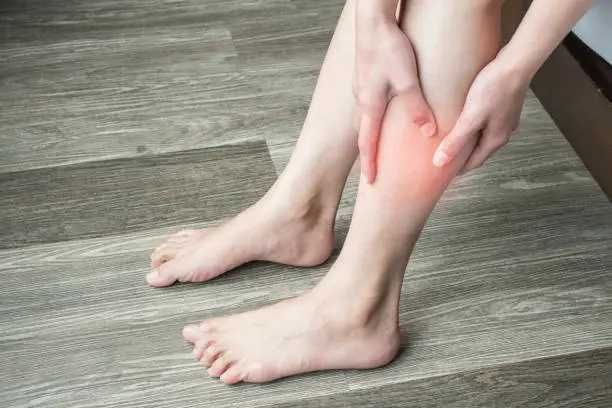
The previous couple of decades have seen a remarkable transformation in vein care thanks to modern medicine and technology. The focus of vein care is now on the highest level of patient and physician comfort and outcomes. As the world focuses on vascular health, an increasing number of patients are searching for vein health resources and modern vein treatment algorithms, diagnostics, and technology. This is particularly true of patients experiencing leg swelling, varicose veins, and symptoms of chronic venous insufficiency. A large number of patients place their trust in vein specialists in Bucks County to help them design a program serving both functional and therapeutic goals.
Understanding Why Vein Health Matters
Ultimately, the state of one’s veins will determine the efficacy of blood circulation within the body. This is particularly true in the legs, where veins need to counteract the force of gravity. When the one-way valves within veins weaken or malfunction, blood can pool in the lower legs. This can cause various symptoms, ranging in severity from visible varicose veins, aching, and heaviness to more severe cases in which the skin undergoes changes or the formation of ulcers. Historically, vein issues were also considered a concern. However, modern vascular care is more patient-centered. This shift, historically, has positively contributed to patients' long-term quality of life.
In regards to diagnosing potential venous issues and treatment, there is great importance placed on confidence and accuracy thanks to modern tools and technology. The process begins with diagnosing issues, and obtaining the patient's medical history as well as the symptoms being experienced, and lifestyle factors to better understand the individual. Cutting edge modern clinics employ Duplex Ultrasound technology to analyze venous issues with accuracy, opacity, and also measure blood flow, assess for valve clogs, and detect any valve issues. Because of the real-time visualization of the veins, probes are not needed as with the trial-and-error methods of vein issues of the past. A treatment plan is tailored specifically to the patient's veins and issues.
Because of the resolution and visualization of the venous structure and functionality, Duplex Ultrasound technology is the standard and has allowed specialists to assess venous issues. Blood flow issues are correctly diagnosed whether they are due to surface veins, the venous systems, or if they are a combination of the mentioned factors. By also going with a specific treatment over a series of assumptions like in the past, better and safer outcomes are seen.
Modern varicose vein treatments have evolved away from the predominance of vein stripping surgery in the vascular care specialty. Today, procedures are minimally invasive, performed in ambulatory surgery centers with little to no downtime, and experience little discomfort. The goal is closure or removal of the affected vein using the least disruptive interventions. The evolution from surgery to minimally invasive procedures is one of the most significant changes in vascular care. Patients are able to return to normal activities much faster and with far fewer complications.
One of the most prevalent of these is Endovenous Laser Therapy (EVLT) where laser energy is used to achieve closure of malfunctioning veins from within. An equally popular alternative is radiofrequency (RF) ablation where Reticular veins are targeted using thermal and other energy sources to achieve endpoint closure of the vein. For those affected by visible veins or in the case of cosmetic varicose veins, sclerotherapy is interjected where a sclerosant (medical detergent) is injected to collapse the vein. These treatments relieve the symptoms of varicose veins while restoring a normal appearance of the leg and are thus of significant value and in high demand.
Without a doubt, Endovenous Laser Therapy is among the most sought-after therapeutic interventions for the management of chronic venous insufficiency. Using ultrasound for navigational guidance, the operator locates the affected segment of the vein, where a laser fibre intra-venous laser fibre is positioned. Upon activation of the laser, the vein walls are closed and blood is re-routed to another vein. As the procedure progresses, patients report slight discomfort. Resumption to daily functional activities is achieved shortly thereafter. Following treatment, patients highly endorse the procedure and specialists also recommend it due to its effectiveness and reliable outcomes.
Among the other minimally invasive therapeutic features, radiofrequency ablation is quick and long lasting. Heat is generated within the vein walls using radiofrequency waves, with the therapeutic range of the heat causing further vein closure. Two advantages of this method are minimal discomfort and rapid resumption of normal daily activities. In addition, radiofrequency ablation is used to treat large and deep veins with a predictable and successful recovery, contributing to the advantages of this method.
Sclerotherapy is and continues to be the most effective technique for the management of spider veins and smaller varicose veins. This technique is done by injecting a special solution that causes irritation to the walls of the vein and collapses them. The body then slowly absorbs and eliminates the vein. Although some people view sclerotherapy just as a cosmetic procedure, it is a treatment that can enhance many people’s functional symptoms as well. The procedure is very simple and has little healing that is required afterwards, a very good option for those that want improvement and are busy.
There have been a number of different technological advancements with regard to the treatment of veins affecting the limbs, and as a result, the recovery has been changed for the better. The more modern approaches mean that patients are not going to be required to have prolonged bedridden recovery, or have any extensive external dressings to care for. Patients are able to get on with their normal everyday activities quickly after the procedure. Patients are going to be encouraged to get up and walk soon after the procedure to help with circulatory movement to the limbs. There is a small chance that some patients might be required to wear compression garments to help with the movement of blood, however the recovery is significantly improved when compared to the historical surgery options.
Modern vascular treatment has incorporated preventive care as a crucial body of work. Patients are encouraged by specialists to take care of their bodies by engaging in regular exercise, managing a balanced healthy weight, and reducing prolonged sitting or standing to ensure there are no negative impacts on their venous circulation. Preventive measures through early intervention, coupled with sustained monitoring of one’s venous health, plays a crucial role in avoiding venous health problems. As the demands for preventive care increase, the early identification and treatment of vascular health problems through minimal intervention is being accepted as best practice.
The best outcomes are evident with professional specialists, but with the complexities of vein treatment and its recovery, choosing the right specialists becomes critical. Specialists like Vein Specialists in Bucks County, with their expertise in the field, are able to integrate advanced technology for diagnosis with evidence-based best practice treatment and most importantly, putting the client in a patient comfort zone for the procedure. This allows the creation of a dedicated patient centered safe, personalized hospital treatment plan to align with the patient’s objectives. Given the modern approaches to vein treatment, the correct choice of specialist to carry out the treatment is of utmost importance, and can significantly impact one's recovery, as well as, the vascular health outcomes.
The development of modern vein treatments has improved the diagnosis of vein issues and improved patient comfort and recovery times. Advancements in the treatment of veins including duplex ultrasound, laser treatment, radiofrequency ablation, and sclerotherapy, modern vascular care focuses on patient safety, effectiveness, and convenience. The ability to understand the advancements in modern vein care allows patients to be proactive and seek medical attention before the symptoms worsen. Patients receive modern, reliable vascular solutions that improve blood flow, ease pain, and increase self-assurance from trusted specialists, like the Vein Specialists of Bucks County. Modern vascular health treatment is characterized by early detection and minimal invasive treatments that result in improved vascular health and overall quality of life.
Comments (0)