Why Medical Students Must Understand Plagiarism Prevention
8 months ago 466

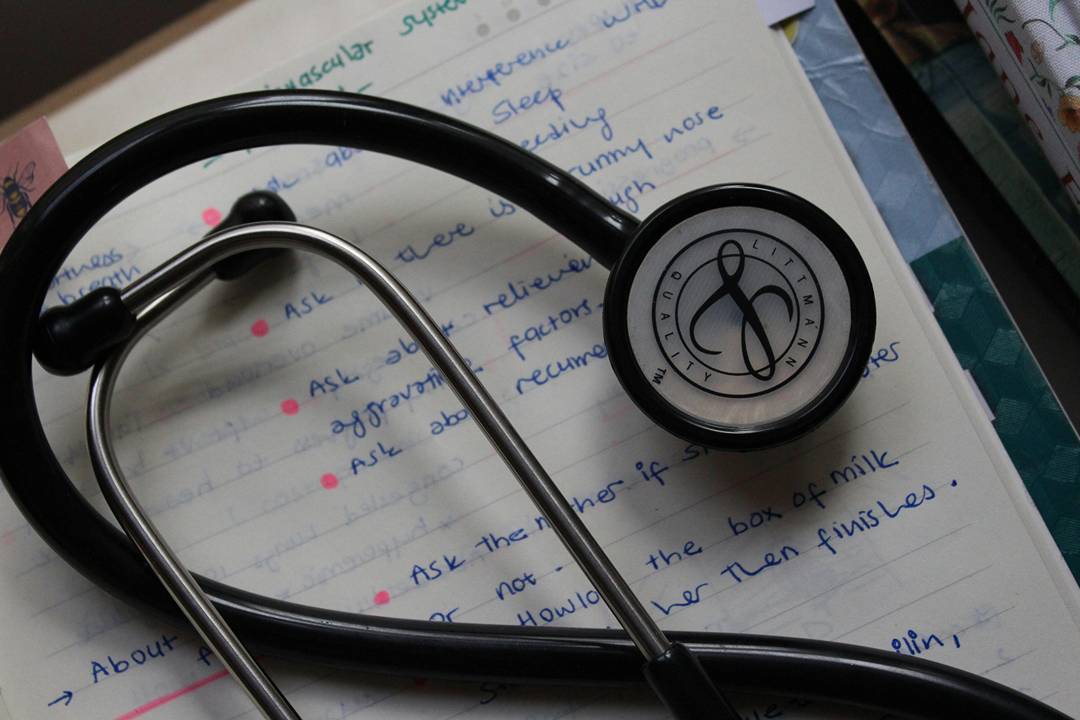
Have you ever thought about how serious plagiarism is in the medical field? It’s not just about getting into trouble with your professor. In medicine, trust, honesty, and credibility are everything. That’s why medical students must fully understand plagiarism prevention—not just to survive school, but to thrive as future doctors.
Let’s dive into why this topic matters more than you might think.
Medical school is no joke. The pressure is intense, the workload is massive, and the expectations are sky-high. So, it’s no surprise that some students might feel tempted to cut corners. But here’s the catch: in medicine, even a small act of dishonesty can have big consequences.
Plagiarism in medical school isn’t just an academic offense; it’s a red flag for future professional behavior. Think about it—if a student copies work without giving credit, what does that say about their integrity as a future doctor?
Academic honesty forms the foundation of ethical practice in healthcare. If that foundation is weak, the entire structure starts to crumble.
Before we talk prevention, let’s break down what plagiarism actually means. It’s more than just copying and pasting a paragraph from a website.
Some students plagiarize without even realizing it! That’s why education and awareness are so important.
Thankfully, plagiarism prevention isn’t rocket science. With a few smart habits, you can stay on the right path.
Learning proper citation styles like APA, AMA, or MLA might feel tedious, but it’s essential. Whether you’re writing a research paper or presenting a case study, knowing how to credit sources shows professionalism and respect for others’ work.
Tip: Use tools like Zotero, Mendeley, or citation generators to make referencing easier.
Paraphrasing means putting information into your own words while still giving credit. But beware: simply switching a few words doesn’t count! You need to truly understand the material, then express it in a fresh way.
Think of it like cooking—anyone can follow a recipe, but a great chef adds their own flavor.
Before submitting your work, run it through a plagiarism detection tool. Tools like Grammarly, Turnitin, or QuillBot can highlight any accidental overlap so you can fix it.
These tools are especially helpful for students juggling multiple essays or assignments. If you're seeking essay writing help or assignment help, it's smart to double-check the originality of the content you receive. That’s where a free plagiarism and AI checker can be a game-changer—it helps verify that the material is both human-written and unique, protecting you from accidental misconduct.
This extra step only takes a few minutes and can save you a lot of stress later on.

So, why should you, as a medical student, care so much about plagiarism? Let’s explore the deeper reasons.
Doctors are held to incredibly high ethical standards. Patients trust them with their lives—literally. If you can’t be trusted to write an original research paper or case study, how can patients trust you to make life-or-death decisions?
Learning how to cite sources properly, paraphrase effectively, and think critically prepares you for the honesty required in clinical practice.
Medicine isn’t just about memorizing facts. It’s about solving problems, analyzing data, and making informed decisions. Preventing plagiarism pushes you to develop your own ideas and interpretations, which is exactly what a good doctor needs to do.
When you write original content, you’re training your brain to think independently. And that skill is priceless.
Let’s not sugarcoat it—getting caught plagiarizing in med school can ruin your academic career. Many medical schools have strict disciplinary policies that can lead to:
But the effects don’t stop there. If plagiarism becomes part of your student record, it could follow you into residency applications and job interviews. Some licensing boards even consider academic misconduct when granting medical licenses.
So yes, one bad decision could seriously derail your future.
Still not convinced? Let’s look at how plagiarism has affected real medical professionals.
These cases show that plagiarism isn’t a minor mistake—it can be career-ending.
Let’s not forget one of the oldest and most respected traditions in medicine: the Hippocratic Oath. It’s all about doing no harm, acting with integrity, and respecting both patients and peers.
Preventing plagiarism is part of living that oath. It’s about being honest not just in the clinic or hospital, but in every assignment, exam, and research paper. Ethics don’t begin when you graduate—they start now.
Plagiarism prevention may sound like an academic buzzword, but for medical students, it’s a crucial life lesson. It’s about more than avoiding punishment—it’s about building character, earning trust, and preparing to join one of the most respected professions in the world.
So, the next time you’re writing a paper or working on a project, ask yourself:
“Am I doing this with integrity?”
Because in medicine, your words matter almost as much as your actions. And by learning how to avoid plagiarism now, you're setting yourself up to become not just a good student—but a great doctor.
Michele Kent specializes in academic content writing with a strong focus on research-based essays and educational articles. Her work often explores topics related to writing ethics, plagiarism prevention, and student success strategies. With a background in developing clear, engaging content, she is committed to helping readers navigate complex subjects with clarity and confidence.
Comments (0)