Cold Weather and Neck Pain: Simple At-Home Remedies That Work
8 months ago 418

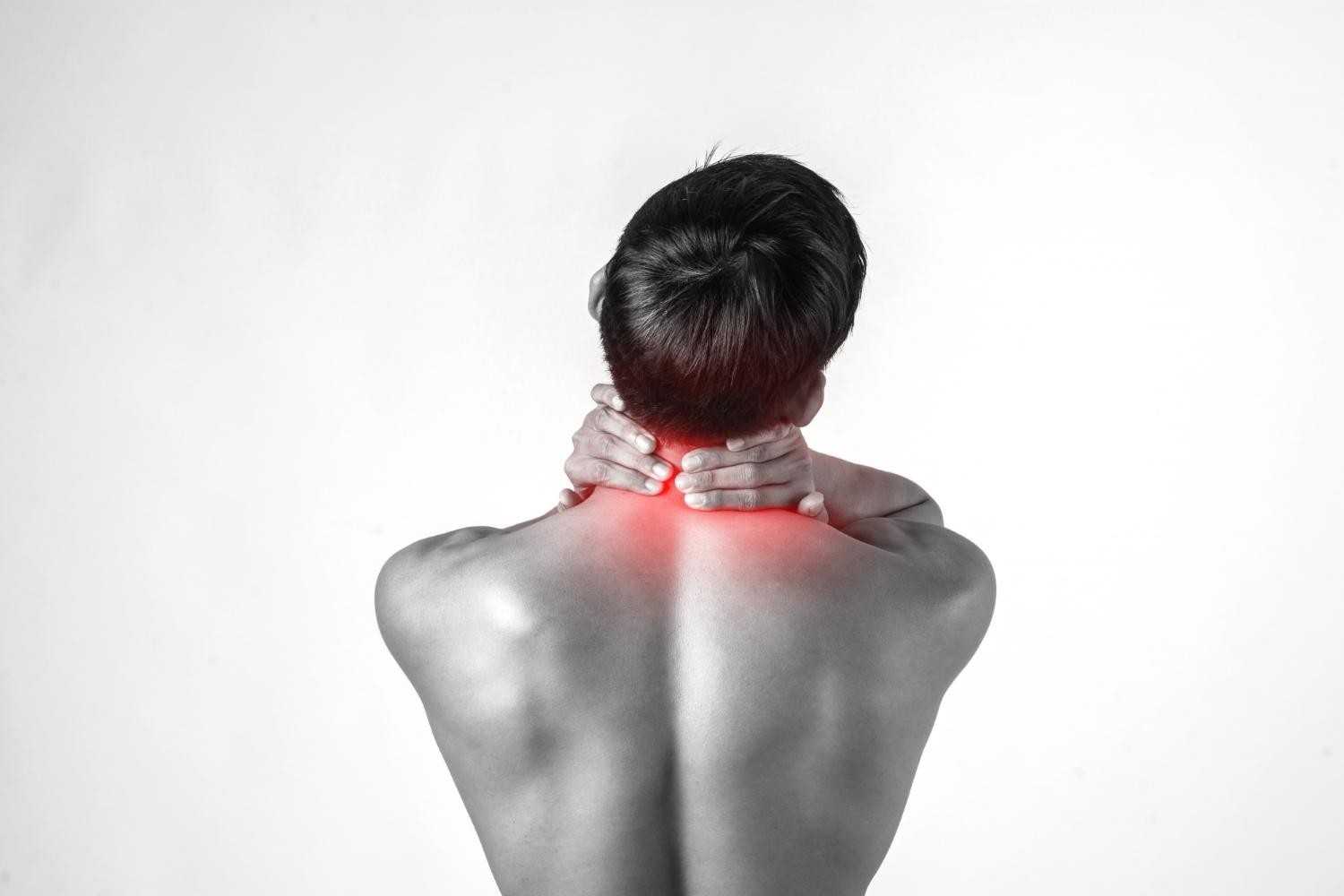
As the temperature drops and winter settles in, many of us find solace in cozy blankets and steaming mugs of cocoa. But for some, the chilly season brings along an unwelcome guest: neck pain. Whether it's from shoveling snow, hunching over a warm fire, or simply braving the cold air, neck discomfort can put a damper on our seasonal cheer. Fear not! In this post, we’ll explore simple yet effective at-home remedies that can help you combat cold-weather-induced neck pain. Say goodbye to those stiff muscles and hello to relaxation. Let’s get started on your path to relief!
Before we dive into the remedies, it’s important to understand why cold weather can aggravate neck pain. Here are some of the most common causes:
Changes in Posture: When it's cold outside, we tend to hunch our shoulders and tuck our chin into our chest to keep warm. This can put strain on the muscles in our neck and upper back, leading to discomfort and pain.
Tight Muscles: The cold weather can cause our muscles to contract and become tighter, making them more prone to injury and pain.
Lack of Movement: During the colder months, we tend to be less active, which can lead to stiffness and tension in the neck and shoulders.
Dehydration: We may not feel as thirsty in the winter, but it's important to stay hydrated. Dehydration can cause muscle cramps and spasms, which can contribute to neck pain.
Poor Sleep Habits: The cold weather can disrupt our sleep patterns, leading to fatigue and tension in the neck and shoulders.
Apply Heat: One of the easiest and most effective ways to relieve cold weather and neck pain is by applying heat. You can use a heating pad, hot water bottle, or take a warm bath or shower. The heat will help relax your muscles and increase blood flow to the area, providing relief from pain and stiffness.
Stretch and Exercise: Gentle stretching and exercise can help loosen up tight muscles and improve flexibility in the neck and shoulders. Try simple exercises like neck rotations, shoulder shrugs, and chin tucks to relieve tension and improve mobility. Just be sure to listen to your body and avoid any movements that cause pain or discomfort.
Stay Hydrated: As mentioned earlier, dehydration can contribute to muscle cramps and spasms. Make sure to drink plenty of water throughout the day to keep your muscles hydrated and reduce the risk of neck pain.
Improve Your Posture: Pay attention to your posture, especially when you're outside in the cold. Try to keep your shoulders relaxed and your head in a neutral position to avoid straining your neck muscles.
Get a Massage: A massage can help release tension and promote relaxation in the neck and shoulder muscles. You can either go to a professional masseuse or try self-massage techniques at home using a foam roller or tennis ball.
Making small changes to your daily routine can also help prevent neck pain in cold weather. Here are a few lifestyle tips to keep in mind:
Stay Active: Regular physical activity can help keep your muscles and joints healthy and reduce the risk of neck pain. Find ways to stay active, even if it's just taking short walks or doing light exercises at home.
Wear Warm Clothing: Make sure to dress appropriately for the colder weather. Wearing layers and a scarf can help keep your neck and shoulders warm and prevent muscle tension.
Use a Supportive Pillow: The right pillow can make a big difference in preventing neck pain. Make sure to use a pillow that supports your head and neck in a neutral position while you sleep.
Take Breaks From Sitting: If you have a desk job, make sure to take regular breaks to stand up and stretch. Sitting for prolonged periods can cause strain on your neck and shoulders.
Neck pain in cold weather is a common problem, but there are many ways to manage and prevent it. By staying active, maintaining good posture, and using at-home remedies like heat therapy and stretching, you can keep your neck and shoulders healthy all winter long. If your neck pain persists, it's important to consult with your doctor for further evaluation and treatment.
Comments (0)