What makes disinfectants effective? Key factors behind reliable hygiene performance
8 months ago 347

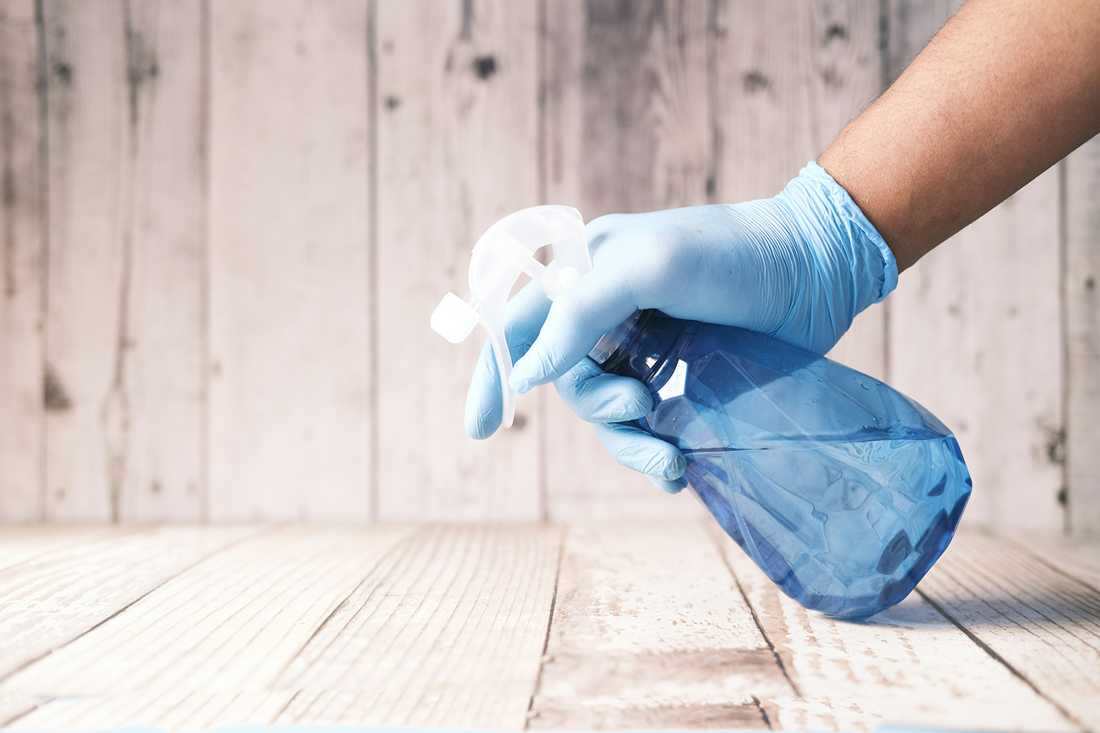
Reliable hygiene performance in professional environments depends on more than simply selecting a disinfectant with a strong active substance. Effectiveness is the result of the interplay between formulation design, correct application, surface characteristics and regulatory compliance. Understanding these elements helps healthcare, facility management and food-sector teams build robust hygiene programmes that stand up to operational pressures.
A disinfectant’s formulation determines how well it wets surfaces, handles organic load and maintains stability throughout its shelf life. Surfactants, solvents and chelating agents all influence how efficiently soils are lifted before biocidal action occurs. Quaternary ammonium compounds remain widely used due to their compatibility with many hard surfaces and their balanced performance profile. Close evaluation of actives such as DDAC within EU BPR-approved formulations helps teams choose solutions appropriate for high-touch areas where consistency is key.
No disinfectant performs optimally without proper use. Factors such as dilution accuracy, surface pre-cleaning, contact time and achieving full surface wetting determine real-world reliability. In fast-paced environments, wipes and ready-to-use sprays can help reduce variability, while concentrates enable economical dosing for large sites if supported by training and calibrated dispensing systems. Material compatibility also matters: using a disinfectant aligned with the substrate reduces the risk of wear, discolouration or premature equipment ageing.
Temperature, humidity and soil load influence biocidal activity. Facilities with heavy traffic or high patient turnover often integrate targeted hygiene strategies, combining routine cleaning with enhanced disinfection schedules. Standard operating procedures should specify when to escalate frequency—for example, during outbreaks or when managing vulnerable patient groups. Verification through environmental audits or fluorescent marker checks supports continuous improvement and validates that protocols translate into measurable outcomes.
In the EMEA region, the EU Biocidal Products Regulation provides a framework for ensuring disinfectants meet defined safety and performance standards. This helps professional users select products with transparent labelling, supported data and consistent manufacturing quality. Many organisations look to external technical resources such as Arxada Professional Hygiene EMEA when reviewing their hygiene portfolio or aligning internal procedures with evolving regulatory expectations.
Comments (0)