The Role of Spirometry: Protective Screening That Safeguards Your Breath
8 months ago 345

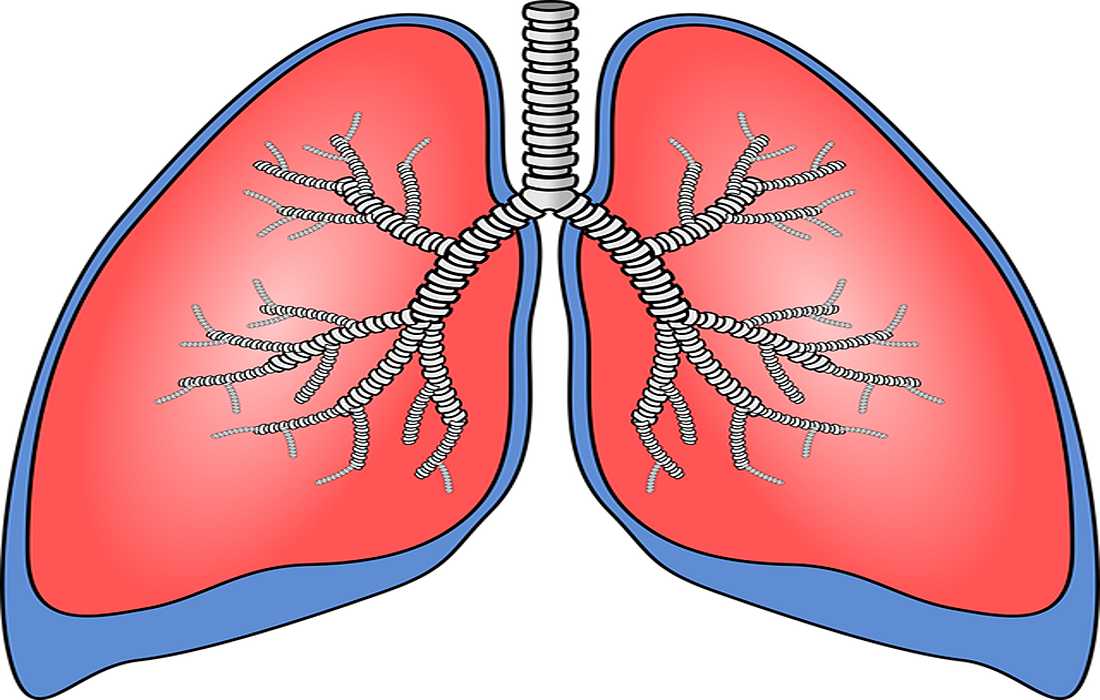
Spirometry or Lung Function testing is preventive and diagnostic measurements of the flow and volume of air take in and blown out by individuals. It’s a non-invasive pulmonary procedure to evaluate respiratory health and is crucial in early detection of potential disease.
Spirometry machines help healthcare providers asses patient’s breathing. It reveals early symptoms or signs that may need attention from a medical practitioner sooner rather than later. Respiratory health must be well maintained to keep general health and wellbeing in check.
Your healthcare practitioner will recommend have testing to see if your lungs are adequately functioning and to monitor for lung conditions or disease. All that’s required is that patients blow air into the tube of a spirometry machine after taking a deep breath.
Healthcare providers use the spirometry technique to check patient’s respiratory health. Some want to be reassure they function is good while others are encountering breathing concerns and want to find solutions early.
The process essentially involves inhaling and exhaling or blowing air into the machine’s tube in the same way you would blow out a candle. This helps medical personnel analyze your lung capacity from how strongly and quickly you can perform the test and the volume of air you can breathe in and out.
Healthgrades outlines how an incentive spirometer can improve lung capacity and prevent complications like pneumonia, especially for patients recovering from surgery or managing chronic conditions - Incentive Spirometer: Purpose and How to Use It .
The tool monitors your lung performance. Anyone having the following symptoms should undergo the test.
For anyone with lung or airway conditions, a spirometry test would be recommended diagnostic and monitoring. What happens in each situation?
Monitoring
When healthcare practitioners discuss spirometry measurements, patients can become overwhelmed considering the different spirometry test measurements and interpretations. However, once each type of machine and its capacity is explained, it can be relatively simple to distinguish.
The FEV1 (Forced Expiratory Volume)
This machine measures the volume of air blown out in the first second following a deep breath or with exhalation. The spirometer usually ranges between 80 to 120 percent of the predicted values and indicates normal function.
Lower than normal value means airway inflammation in the lungs or asthma or COPD – chronic obstructive lung disease. These lung diseases make breathing challenging.
Read from the American Lung Association, a resource that explains spirometry and why the testing is done.
FVC (Forced Vital Capacity)
Your lungs get their forcd vital capaced from how much air you can exhale forcefully after achieving a deep inhalation of air. It provides the total lung storage statistics.
The female (ages 20-60) average FVC normal value ranges between 3.25 and 3.75 liters and males (ages 20-60) ranges between 4.75 and 5.5 liters.
FEV1/FVC Ratio
This interpretation compares FEV1 to FVC to determine lung function. The normal ratio for a normal lung function would typically be above 0.7. Falling below this ratio would indicate COPD or asthma.
Lung function testing is virtually painless and easy, nothing for patients to be nervous or concerned about taking part in. The procedure is noninvasive and is performed while the patient is seated in a chair. The patient needs to breather through their mouth – the nose is clipped to encourage this.
With your lips sealing the tube, you’ll deeply inhale and then quickly and forcibly exhale. Spirometry measures the volume of air exhaled from the lungs and at what speed.
The test is given three times to ensure there’s consistency with the results. If there are significant variations, the test is repeated to achieve accuracy. Your medical provider may provide bronchodilators before repeating the test to see if the values change or improve.
The process takes between 15 and 30 minutes with the results available immediately following the testing. If you struggle with breating issues, discuss lung function testing to rule out underlying conditions and get the appropriate treatment early.
Comments (0)