The Step-by-Step Process of Getting Dentures in Port Charlotte
8 months ago 536

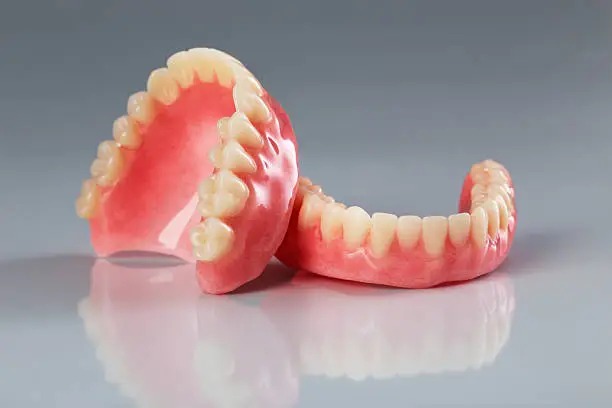
Dentures can do much more than replace missing teeth. They help you smile with confidence, eat your favorite foods again, and speak with ease. If you are planning to get dentures but are not sure how the process works, you’re not alone. With help from a dentist in Port Charlotte, FL, you can go through the process confidently and look forward to a restored smile.
People choose dentures for different reasons. Some lose teeth due to decay or gum disease, while others may experience an injury or long-term wear.1 Dentures could help if you’re dealing with any of the following:
Let’s walk through what the process of getting dentures typically involves:
1. The first visit
The first step is always a full checkup. The dentist looks at your gums, teeth, and jaw to determine what type of dentures will work best for you. They may also run X-rays or scans to check the bone health under your gums. At this visit, you’ll talk about whether you need full or partial dentures. The dentist will explain how each feels, what they do, and what kind of care they need.
2. Tooth extraction (if needed)
Sometimes, your dentist may remove a few teeth before fitting your new dentures. This happens when certain teeth are unhealthy or uncomfortable to keep. Your dentist will make sure you feel relaxed and have minimal discomfort throughout the process. During the procedure, the dentist gently loosens and removes the affected teeth. As your gums heal, your dentist will monitor your progress and make adjustments once your dentures are ready to ensure a comfortable fit. In some cases, your dentist may create immediate dentures so you don’t have to go without teeth while your gums heal. These are later replaced or adjusted once healing is complete.
3. Take impressions or digital scans
After you’ve healed from the tooth extractions, your dentist will take impressions (molds) or digital scans of your mouth. These molds capture the exact shape of your gums, teeth, and jaw to make sure your dentures fit comfortably. Your dentist may also note how your upper and lower jaws meet to create a balanced bite. These details help the dental lab design dentures that look natural and support proper chewing and speech.
4. Final denture placement
When your dentures are ready, your dentist will have you try them on to see how they feel when you talk, smile, and eat.2 At this time, you'll check how everything fits or if something feels a little off. If there’s any spot that feels uncomfortable, your dentist will gently adjust it until it feels right.
Before you leave, your dentist will also walk you through how to care for your dentures, such as how to clean them properly and where to store them when you’re not wearing them. This helps your dentures stay in good shape and last longer.
5. Aftercare
Even when your dentures fit perfectly, you still need routine dental checkups because your gums and jawbone change over time, which may require relining or reshaping of your dentures. And if you ever damage or lose a tooth in your dentures, your dentist can make quick repairs. This means with proper checkups, your dentures can last longer and keep your mouth healthy.
Adjusting takes time, but these small steps can make it a lot easier:
At the beginning, your mouth can feel a bit different, but as you get used to your dentures, they'll start to feel more natural and comfortable.
The steps you take throughout your denture process make all the difference. From your first consultation to your final fitting, each stage helps ensure your dentures look natural and feel comfortable. With the right care and as-needed dental visits, you’ll enjoy a confident smile that lasts for years.
Comments (0)