Merging Convenience and Aesthetics in Lifestyle Products
10 months ago 660

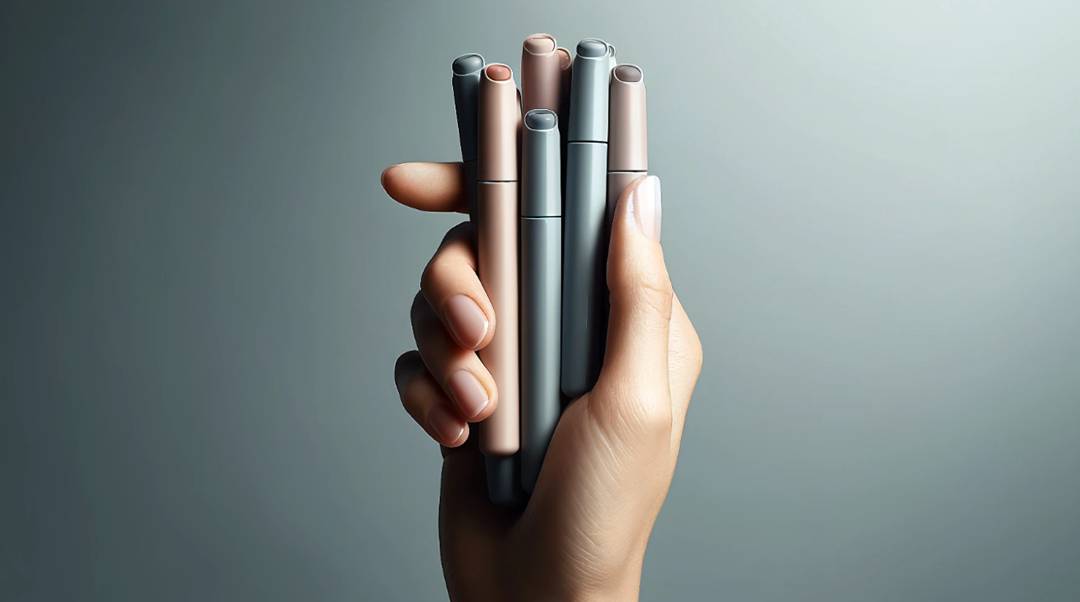
Today, consumers are no longer satisfied with products that simply serve a function. Modern lifestyle products are expected to balance utility with visual appeal, creating experiences that feel both effortless and stylish. From tech gadgets to personal accessories, the integration of convenience and aesthetics has become a defining characteristic of products that resonate with contemporary users.
Functionality remains the cornerstone of any lifestyle product. People gravitate toward items that simplify their daily routines, enhance productivity, or improve comfort. Practicality in design is no longer limited to usability alone; it also encompasses portability, ease of maintenance, and adaptability. Whether it’s a compact wireless charger, a modular storage solution, or a sleek personal device, convenience is often the first aspect consumers notice.
However, function without form can feel clinical and uninspiring. Products that excel in utility but lack visual appeal may struggle to make a lasting impression. This is why designers are increasingly merging ergonomics, intuitive interfaces, and material innovation with thoughtful aesthetics. The goal is to ensure that users not only benefit from the product’s function but also enjoy engaging with it.
Aesthetics play a pivotal role in how a product is perceived. Elegant lines, harmonious color palettes, and tactile materials can transform a utilitarian object into a statement piece. Modern consumers often choose products that reflect their personality and lifestyle aspirations. A visually striking item can evoke emotion, reinforce brand identity, and even encourage social sharing in an era dominated by visual culture.
The success of a product often lies in its ability to balance subtle sophistication with everyday usability. For instance, compact lifestyle gadgets like premium earbuds, designer water bottles, or contemporary home organizers are designed to look as good on a shelf as they function in use. These items seamlessly blend into a person’s environment, enhancing both the visual landscape and the daily experience.
One sector where convenience and aesthetics intersect notably is in personal tech and vaping devices. Products like the Jucce Bar at vape-jucce.com exemplify this trend. They combine sleek, minimalist design with practical features such as portability, ease of use, and long-lasting performance. The result is a product that feels modern and attractive while remaining highly functional for everyday needs.
This approach highlights a broader principle: when convenience meets design, products become more than just tools; they become part of the lifestyle. Consumers are drawn to items that feel thoughtfully crafted, with every curve, texture, and detail contributing to both utility and visual harmony.
Incorporating both functionality and aesthetics requires a design-first mindset. Companies that succeed in this space often employ “design thinking,” a methodology that emphasizes user experience, empathy, and iterative problem-solving. By understanding how people interact with a product throughout their day, designers can identify opportunities to improve usability while introducing aesthetic elements that elevate the overall experience.
Moreover, thoughtful design extends beyond individual products to the broader ecosystem. Coordinating color schemes, materials, and forms across related items, from accessories to packaging, creates a cohesive and attractive lifestyle brand. This holistic approach fosters emotional connections, encourages repeat engagement, and enhances brand perception.
As consumers increasingly value both convenience and aesthetics, the future of lifestyle products will likely see even more sophisticated integration. Smart materials, customizable designs, and multifunctional features will allow products to serve multiple purposes without compromising style. Brands that embrace this dual focus will not only meet practical needs but also capture the imagination of their audience.
In essence, the marriage of convenience and aesthetics is no longer optional; it’s a hallmark of modern design. By crafting products that are as beautiful as they are functional, designers create experiences that resonate on a deeper level, enriching everyday life while reflecting the personal tastes of the user.
Comments (0)