The Advantages of Using Portable X-Ray Machines in Healthcare Settings
8 months ago 499

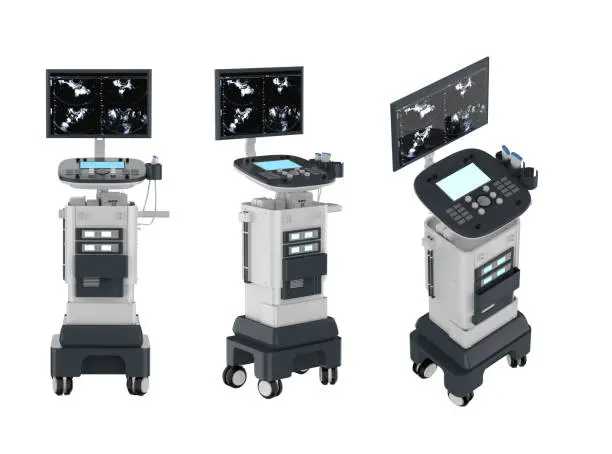
The healthcare technology field has witnessed significant advancements over the decades. One innovation worth mentioning is portable X-ray machines. They are essential in different healthcare settings and provide several advantages that help improve patient outcomes and operational efficiency. In this article, we will explore the health benefits of portable X-ray machines.
Portable X-ray machines offer unmatched accessibility in healthcare settings. They help diagnose patients in a hospital, nursing facility, or home. This feature benefits patients who can't be moved to a radiology department, such as those with impaired mobility or those not well enough to be moved. These machines improve patient comfort and reduce stress by minimizing the need to move patients. To expand diagnostic capabilities, you can review available portable X-ray machines online for flexible use in different settings
The fundamental principle in emergency settings is the critical importance of time. Using portable X-ray machines also speeds up the overall diagnostic image collection process. Healthcare providers can instantly perform X-rays at the bedside rather than relocating a patient elsewhere. This rapid process helps with a quicker diagnosis and treatment, which could save lives in emergencies. This quick responsiveness makes them extremely useful in emergency care situations.
Nonetheless, cost is always a consideration when it comes to healthcare. Portable X-ray machines provide an affordable option by reducing the need for further infrastructure. Space and technology have commanded heavy investment in conventional radiology departments. On the other hand, portable machines maximize resource utilization by occupying less space and enabling use in multiple locations. This flexibility saves healthcare facilities significant amounts of money.
Technological advances have enabled portable X-ray machines to produce the same image quality as stationary units. Most digital machines supply a favorable, interpreted, and accurate diagnostic image. Digital imaging also allows images to be stored and shared, making it easier for healthcare providers to work together.
Medical environments have numerous risks, and safety is a priority. Portable X-ray machines are designed to reduce radiation exposure for patients and healthcare workers. Doing X-rays right in the patient's room minimizes transfers, with less chance of injury. Moreover, many portable machines are equipped with protective features that ensure the safety of both personnel and patients while in operation.
Portable X-ray machines have a broader range of applications across various medical fields. They help diagnose fractures and monitor healing processes in orthopedics, assist in evaluating lung disorders in respiratory care, and provide required imaging without disrupting critical equipment in the ICU. Their flexibility makes them a helpful resource in various medical specializations.
The development of in-home healthcare services has made portable diagnostic tools more relevant and essential than ever. Access to a portable X-ray machine allows providers to provide X-rays to patients in their homes. This capability is crucial for elderly patients or those with chronic conditions requiring continuous monitoring. These portable X-ray machines support personalized, on-demand care by bringing diagnostic services directly to the patient.
Portable X-ray Machines in Healthcare. The portability of X-ray machines within healthcare facility settings translates to improved patient turnaround times and prompt results delivery. The potential for point-of-care imaging will enable rapid assessment and intervention of healthcare concerns. This reduces waiting times and increases patient satisfaction, along with the total functioning of the facility. Shorter wait times mean more effective resource use and improved patient results.
The advent of portable X-ray machines has revolutionized the delivery of healthcare services by integrating flexibility, efficiency, and patient-centricity into the X-ray imaging process. They can offer precise imaging, increase safety by minimizing radiation exposure, and provide better accessibility, significantly benefiting any medical environment. Portable diagnostic tools will play an increasingly essential role in the future of healthcare, delivering better care for patients and improving the practice of medicine.
Comments (0)