How to Care for a Family Member with a Serious Medical Condition
8 months ago 953

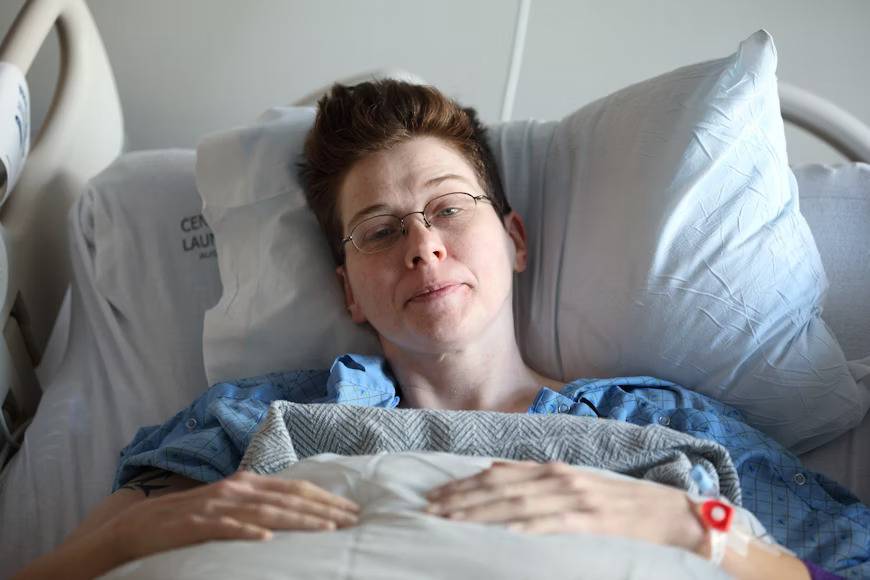
Supporting a family member with a life-threatening or serious medical condition requires a balanced approach, incorporating practical, emotional, and self-care strategies. In this guide, we’ll discuss practical strategies to help you efficiently care for them while also protecting your own health and well-being.
Knowledge is power, especially when caring for a patient who is ill. It’s vital that you learn as much as you can about your family member’s illness, including symptoms, treatments, and potential progression.
This knowledge can help empower you to provide better care and effectively advocate for your loved one’s health needs. It can also help reduce anxiety, as the more you know, the more confident and less anxious you may feel about your caregiving role.
Since caregiving can be overwhelming, it’s highly important that you don’t try to do everything on your own. Follow a structured approach involving clear communication and leveraging everyone’s strengths.
Hold a family meeting to discuss all caregiving duties, from daily needs to future requirements, including both medical and non-medical tasks. Assign duties based on each person’s skills, interests, and availability rather than expecting everyone to do the same out of everything.
While discussing financial and legal concerns may sound insensitive or disrespectful, it’s a crucial task when caring for a sick family member, especially one with a life-threatening condition. However, make sure to do this respectfully and objectively.
Discuss financial matters, insurance coverage, legal documentation, and even post-death requests they may have, like the type of funeral service or finding places that offer affordable cremation. Addressing these concerns promptly can help reduce stress and prevent conflicts down the line. When someone is facing a serious or life-limiting diagnosis, it's worth having an open conversation about funeral planning early on. Options like Lincoln Heritage Funeral Advantage offer funeral insurance that can help cover these costs in advance, so the family isn't left managing that financial burden during an already difficult time.
Structure can bring efficiency and reduce the mental load of caregiving. Use a planner or a shared document for medications, appointments, and daily tasks. Schedule core routines like waking up, meals, hygiene, and bedtime at consistent times each day. This can help provide a sense of stability and calm for your loved one who is ill.
Make sure to divide the schedule into morning, afternoon, and evening segments to make the routine less daunting and more manageable. Build in buffer time around appointments or activities to account for unexpected delays or off days. Remember, rigidity can increase stress when things don’t go as planned.
Improving the safety of your loved one’s living environment is a top priority as their caregiver. Clear the pathways by removing clutter, loose rugs, electrical cords, and unnecessary furniture from high-traffic areas. Arrange furniture to allow ample space for movement, especially if your sick family member uses a wheelchair or walker.
Securely install grab bars in the bathroom, use non-slip mats in the bathtub or shower area, and secure all area rugs with double-sided tape or non-slip backing. Make sure that all areas, particularly hallways, staircases, and bathrooms, have sufficient lighting. Use nightlights in bedrooms, hallways, and bathrooms for nighttime navigation, and consider motion-sensor lights or glow-in-the-dark light switches.
Practicing self-care should be non-negotiable for all family caregivers. Maintain your physical health, as it’s the cornerstone of your ability to care for others. Prioritizing sleep, getting proper nutrition, exercising regularly, and keeping up with your own medical appointments should all be included in your priorities.
No matter how hectic your schedule is, make sure to schedule “me” time and breaks, as they’re critical for recharging your mental and emotional batteries. Plan time into your routine, even if it’s just a few minutes of quiet time, deep breathing, or listening to music.
Arrange for temporary, short-term care for your loved one through professional services to give you more time to attend to your own well-being. Make time for activities that bring you joy and a sense of identity outside caregiving. This can help provide a valuable escape from the stress of caregiving and significantly boost your mood.

Many well-meaning friends and other family members want to help, but simply don’t know how or are too shy to ask. Identify your specific needs to help you communicate them efficiently with your support group. Avoid vague requests; instead, be direct and specific when asking for assistance.
Don’t hesitate to seek professional help by engaging with social workers, case managers, and home health aides. They are trained professionals who know how to streamline processes and provide specialized care that you might not be equipped to handle.
Establishing healthy boundaries is essential for your well-being and to ensure sustainable, quality care for your sick family member. Before setting boundaries with others, make sure to understand your own physical, emotional, and mental limits.
Acknowledge your capacity by being honest about how much time and energy you can realistically dedicate to caregiving without burning out. If you have feelings of resentment, anger, or being taken advantage of, take note of them, as these are signs that your boundaries are being pushed or violated. Use these feelings as an indicator to reassess your limits.
Showing grace towards yourself is fundamental to sustainable caregiving. Caregiver stress and burnout are common, but self-compassion can help you navigate this challenging role while maintaining your own well-being. Acknowledge your own needs and emotions, and learn to recognize the signs of stress and burnout.
Accept that it’s perfectly fine to feel a diverse range of emotions, including frustration, anger, or guilt. Demonstrate compassion towards yourself and understand that you cannot do everything perfectly, and that most often than not, “enough is okay”.
Remember to forgive yourself for your mistakes, learn from them, and move on, rather than dwelling on your perceived failures. Accept that some aspects of your loved one’s illness or situation are beyond your control and let go of the need to control every outcome.
Caring for a family member with a serious medical condition can be stressful and demanding. By taking a holistic approach that addresses the needs of your family member as well as your own, you can provide compassionate, effective care while navigating this challenging time.
Comments (0)