Bridging Medicine and Beauty: The Emerging Role of Licensed Estheticians in Preventive Skin Health
8 months ago 401

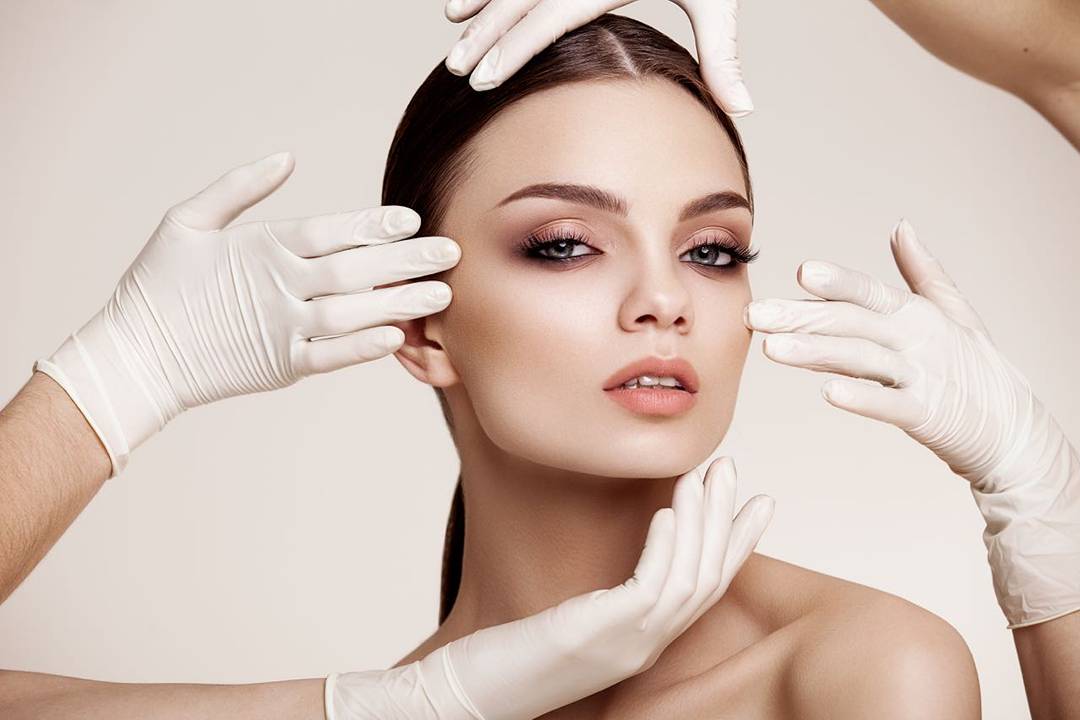
In recent years, a quiet shift has taken place in the world of personal care. What was once labeled “cosmetic” is now increasingly recognized as clinical. Licensed estheticians — traditionally associated with salons and spas — are finding themselves at the crossroads of healthcare, wellness, and science.
With skin health tied to stress, nutrition, environment, and aging, professionals who understand both the biological and aesthetic aspects of the body are becoming essential contributors to preventive care.
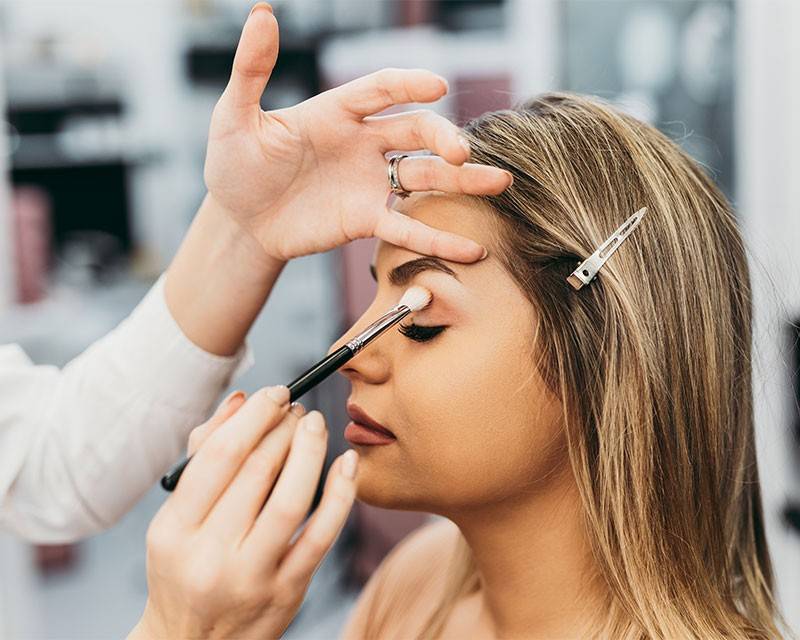
Modern cosmetology education extends far beyond makeup techniques or hair styling. Students study human anatomy, skin histology, infection control, and product chemistry — the same foundations that underpin many allied health disciplines.
Training institutions across the U.S. have reshaped their curricula to reflect this interdisciplinary approach. Programs, such as those offered by the Cosmetology & Spa Academy, now emphasize sanitation protocols, dermatological awareness, and safe treatment practices alongside creative skills.
This integration of science into beauty education has quietly elevated the profession, aligning it with public health goals and encouraging a more responsible, informed standard of care.
Dermatologists and estheticians increasingly share the same clientele, particularly in non-invasive or preventive skincare. While physicians handle diagnosis and treatment, estheticians often take on the role of educator — helping clients manage conditions like acne, pigmentation, and sensitivity through evidence-based care routines.
In med-spas and clinical settings, this collaboration allows for continuity of care. It’s a model where artistry complements medicine, and patient well-being benefits from both.
As more healthcare practitioners integrate cosmetic procedures into their practices, the demand for trained professionals who understand safety, anatomy, and hygiene is growing rapidly.
Becoming a licensed cosmetologist or esthetician requires extensive hands-on learning and theoretical study — often exceeding 1,500 hours. These programs prepare students to work with precision and professionalism in a field that demands both empathy and expertise.
At accredited schools like the Cosmetology & Spa Academy’s cosmetology program, students learn how to balance technical mastery with health-conscious practices. The focus is not on trends, but on responsible care — ensuring that every treatment, whether cosmetic or corrective, is performed with scientific understanding and ethical integrity.
This foundation in anatomy, chemistry, and sanitation forms the bridge between beauty and healthcare — and, increasingly, between aesthetics and patient safety.
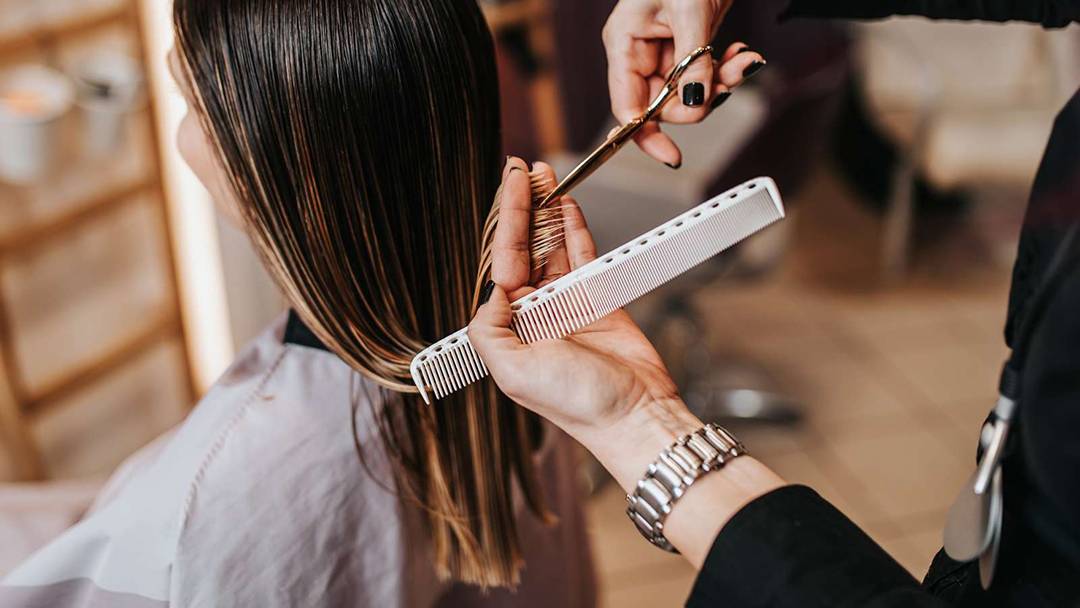
As the conversation around wellness broadens, estheticians are emerging as vital partners in preventive medicine. Their role isn’t to replace medical professionals, but to complement them — offering early awareness, maintenance care, and education that empowers individuals to take ownership of their skin health.
By emphasizing hygiene, safety, and holistic well-being, cosmetology is redefining what it means to “care for the body.” It’s not just about outward appearance anymore — it’s about helping people preserve confidence, comfort, and long-term health.
The overlap between medicine and beauty may once have seemed unconventional, but today it’s part of a broader movement toward integrated health. As licensed estheticians continue to apply scientific knowledge within their creative practice, they represent something larger: a reimagined understanding of how wellness, confidence, and preventive care are all connected.
Comments (0)