Precision imaging on a budget: MRI access in modern healthcare
9 months ago 613

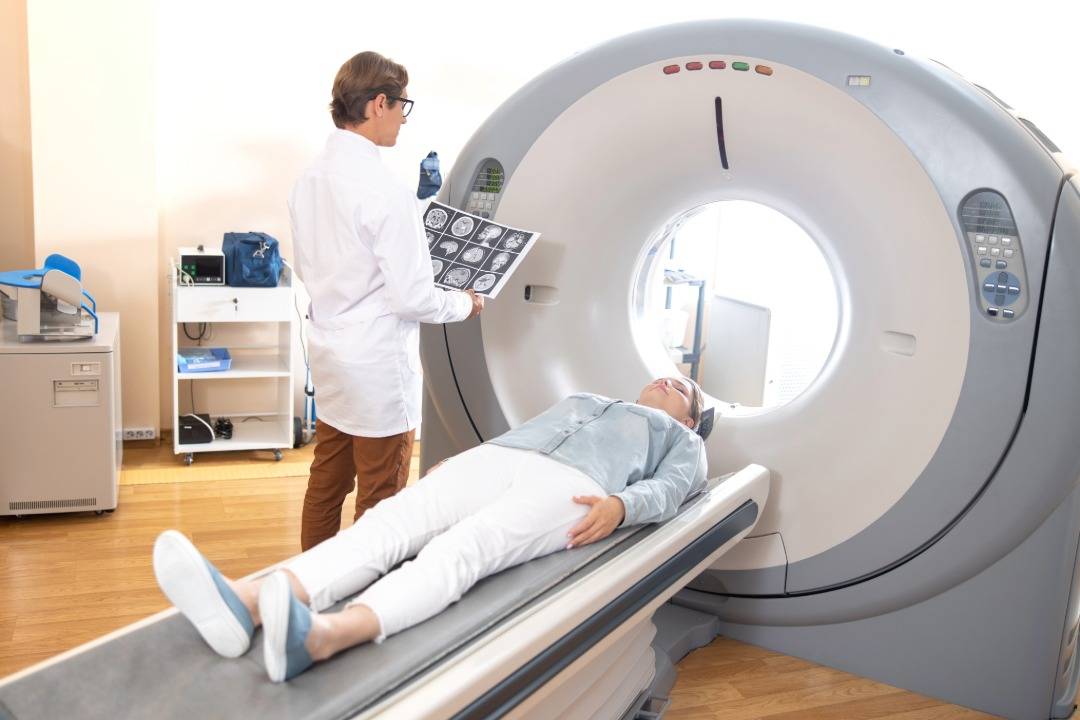
For medical professionals and radiology enthusiasts alike, the evolution of diagnostic imaging has opened new doors to affordability and accessibility. MRI has long been considered the gold standard for non-invasive internal diagnostics. From neurological scans to musculoskeletal assessments, MRI technology offers detail without risks associated with ionizing radiation.
As hospitals and imaging centres upgrade to newer models, a vast inventory of functional MRI systems enters the secondary market. These machines, often maintained under strict service contracts, retain excellent performance capabilities.
One of the most transformative shifts in recent years is the growing availability of high-quality imaging systems at reduced costs, particularly through the market for used MRI machine for sale. For buyers with technical insight and an understanding of their clinical needs, this presents an opportunity to acquire advanced imaging tools at a fraction of the original price.
A key factor when evaluating MRI systems is field strength, measured in Tesla (T). While 3.0T machines deliver superior resolution for neurological studies, 1.5T systems are widely used for general imaging. Lower-field units like 0.5T or 1.0T may suit orthopedic or pediatric needs, particularly when budgets are limited.
Understanding the clinical context is essential. A rural clinic may prioritize reliability and ease of use over cutting-edge resolution, while a research institution might seek advanced gradient capabilities for functional imaging studies.
MRI systems are not plug-and-play devices. They require shielding, cooling systems, and precise calibration. When purchasing a pre-owned unit, it is critical to assess the compatibility with existing infrastructure.
Some vendors offer turnkey solutions, including site planning and installation support, which can significantly reduce the complexity of deployment.
Compliance with local health regulations and safety standards is non-negotiable. Buyers must ensure that the system meets all necessary certifications and that service records are available.
Additionally, access to replacement parts and ongoing technical support should be factored into the long-term cost of ownership.
The availability of refurbished imaging systems is reshaping the landscape of global healthcare. Clinics that once relied on basic X-ray or ultrasound can now offer advanced diagnostics, improving patient outcomes and expanding the scope of care.
For radiologists, biomedical engineers, and healthcare administrators, this shift represents not just a financial opportunity but a chance to democratize access to precision medicine.
Comments (0)