Stem Cell Treatments vs. Traditional Cosmetic Surgery: Cost, Benefits, and Results
9 months ago 559

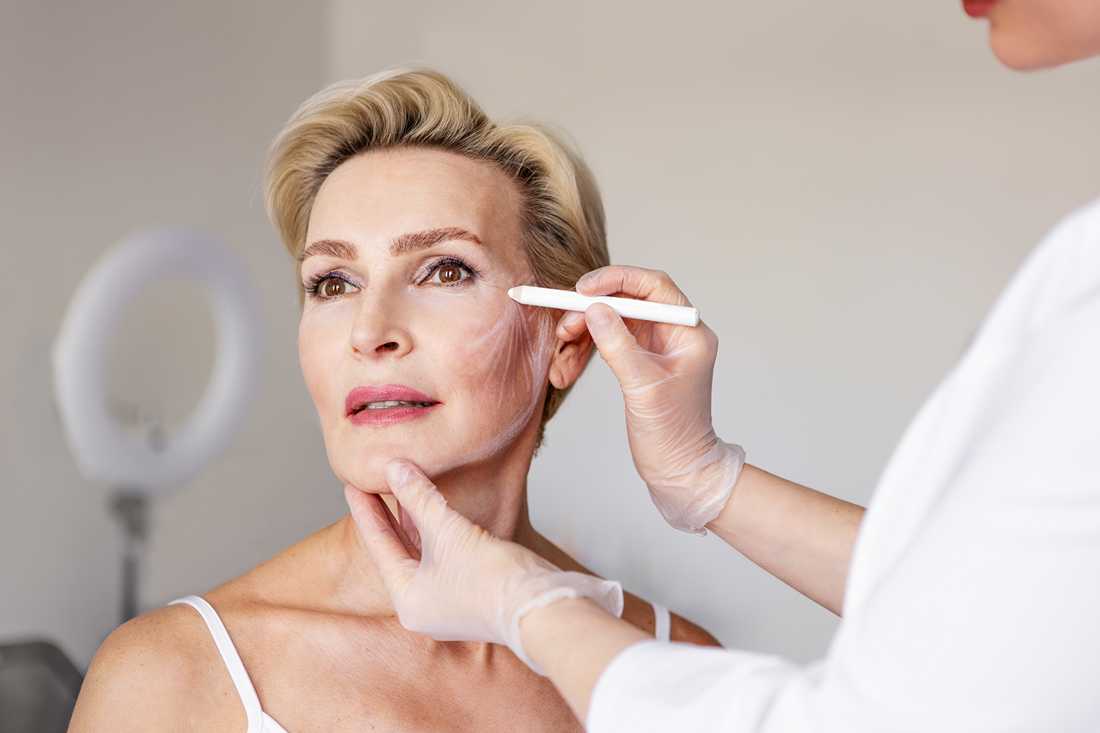
For decades, cosmetic surgery has been seen as a luxury reserved for the wealthy. Procedures like facelifts, hair transplants, and skin rejuvenation often came with a high price tag, putting them out of reach for many. However, the landscape of aesthetic medicine is changing rapidly, thanks to advancements in stem cell treatment. This innovative approach not only offers remarkable results but also makes cosmetic procedures more accessible and affordable. This article explores how stem cell technology is revolutionizing the cosmetic industry and what it means for your wallet.
Stem cell treatment works by harnessing your body's natural healing mechanisms. These specialized cells can differentiate into various tissue types, making them particularly valuable for aesthetic applications. Unlike traditional cosmetic procedures that rely on synthetic fillers or surgical alterations, stem cell-based treatments use your body's own regenerative capacity.
The process typically involves extracting stem cells from your adipose (fat) tissue or other sources, processing them in certified laboratory conditions, and then reintroducing them to target areas. This approach creates more natural results because the treatment works with your existing biological systems rather than against them.
Advanced medical centers now produce personalized stem cells under GMP-certified laboratory conditions, ensuring both safety and efficacy. After extraction, these cells undergo rigorous quality testing before being prepared for clinical use, maintaining the highest standards throughout the process.
Traditional facelifts can cost anywhere from $7,000 to $15,000, not including recovery time and potential complications. Stem cell treatment cost for skin rejuvenation typically ranges from $2,000 to $5,000, offering significant savings compared to other treatments. The treatment stimulates collagen production naturally, reducing fine lines and improving skin texture without surgical intervention.
The regenerative properties of stem cells help restore skin elasticity and volume gradually. This means patients achieve more natural-looking results that develop over several months, avoiding the dramatic changes that sometimes accompany surgical procedures.
Hair transplant surgeries often require multiple sessions, costing $4,000 to $15,000 total. Stem cell-based hair restoration treatments offer a less invasive alternative at roughly 30-50% of traditional surgery costs. These treatments stimulate dormant hair follicles and promote new hair growth using your body's own regenerative mechanisms.
The process involves injecting concentrated stem cells into the scalp, where they help repair damaged follicles and create an environment conducive to hair growth. Patients typically see initial results within three to six months, with continued improvement over the following year.
Hand rejuvenation procedures using traditional methods can cost $3,000 to $6,000. Stem cell treatment for hand and facial aesthetics provides comparable results at lower costs while offering additional benefits like improved skin quality and texture.
These treatments address multiple aging concerns simultaneously, from volume loss to skin texture irregularities, providing comprehensive rejuvenation that often requires multiple traditional procedures to achieve.
Traditional cosmetic surgery requires operating rooms, anesthesia, and extended facility use. Stem cell treatments can often be performed in outpatient settings with minimal equipment, significantly reducing overhead costs passed to patients.
The procedures typically take 1-3 hours compared to longer surgical interventions, reducing facility fees and allowing practitioners to serve more patients efficiently.
Stem cell treatment carries fewer risks than traditional surgery because it uses your body's own cells. This reduced risk profile means lower insurance and liability costs for providers, savings that get passed along to patients.
Complications are rare when using autologous (your own) stem cells, eliminating risks associated with foreign materials or surgical complications. This safety profile also reduces the need for extensive pre-operative testing and post-operative monitoring.
Traditional cosmetic surgery often requires weeks of recovery, lost wages, and additional care costs. Stem cell treatments typically allow patients to return to normal activities within days, reducing the total cost of treatment when factoring in lost productivity and recovery expenses.
Most patients experience minimal downtime, with some mild swelling or redness that resolves within 24-48 hours. This quick recovery means fewer follow-up appointments and reduced overall treatment costs.
Modern stem cell facilities use sophisticated processing techniques that maximize cell viability while minimizing processing time. These efficiencies reduce laboratory costs, making treatments more affordable for patients.
Automated cell processing systems ensure consistent quality while reducing labor costs. These technological advances allow facilities to process multiple patients' cells simultaneously, creating economies of scale that benefit everyone.
As stem cell treatment becomes more established, standardized protocols reduce the time and expertise required for each procedure. This standardization makes training more efficient and procedures more predictable, reducing costs across the board.
Established treatment protocols also reduce the risk of complications and improve outcomes, further supporting the cost-effectiveness of these approaches.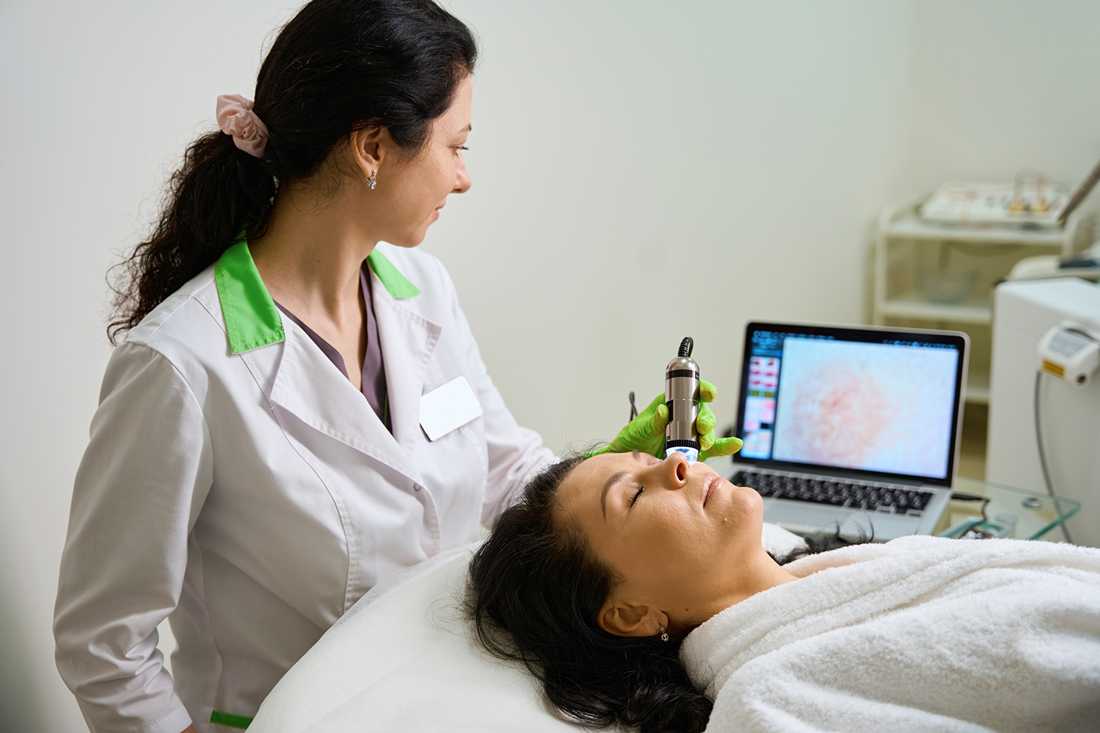
While traditional cosmetic procedures may need refreshing every few years, stem cell treatments often provide longer-lasting results because they stimulate your body's natural regenerative processes. This longevity makes the initial stem cell treatment cost more economical over time.
Results from stem cell treatments continue improving for months after the initial procedure as your body's healing response progresses. This progressive improvement often eliminates the need for touch-up procedures common with traditional cosmetic treatments.
Stem cell treatments often address multiple concerns simultaneously. A facial rejuvenation treatment might improve skin texture, reduce fine lines, and restore volume all at once, providing better value than numerous separate traditional procedures.
The holistic nature of stem cell therapy means patients often see improvements in areas they did not specifically target, as the regenerative process benefits surrounding tissues as well.
Many providers now offer financing plans specifically for stem cell treatment, recognizing that even reduced costs can represent a significant investment. These payment plans make treatments accessible to a broader range of patients.
Some insurance plans are beginning to cover certain stem cell treatments, particularly those addressing medical conditions that also have cosmetic benefits, further reducing out-of-pocket costs for patients.
Providers often offer package deals that combine multiple treatment areas, significantly reducing the per-area cost. A comprehensive anti-aging package might include facial rejuvenation, hand treatment, and hair restoration at a substantial discount compared to individual procedures.
These comprehensive approaches also optimize treatment timing and can enhance overall results by addressing aging concerns systematically rather than piecemeal.
Stem cell treatment represents more than just a cost-effective alternative to traditional cosmetic surgery—it's a paradigm shift toward more natural, comprehensive aesthetic care. As technology continues advancing and costs continue decreasing, these treatments will likely become the preferred option for many aesthetic concerns.
The personalized nature of stem cell therapy means treatments can be tailored specifically to your needs and goals, providing customized solutions that traditional one-size-fits-all approaches cannot match. This personalization, combined with reduced costs and improved safety profiles, makes stem cell treatments an increasingly attractive option for anyone considering aesthetic improvement.
Consider consulting with a certified regenerative medicine specialist to explore how stem cell treatment might address your specific aesthetic goals while providing better value than traditional alternatives.
Comments (0)