The Road to Recovery: What to Do in the Aftermath of a Traumatic Accident
11 months ago 788

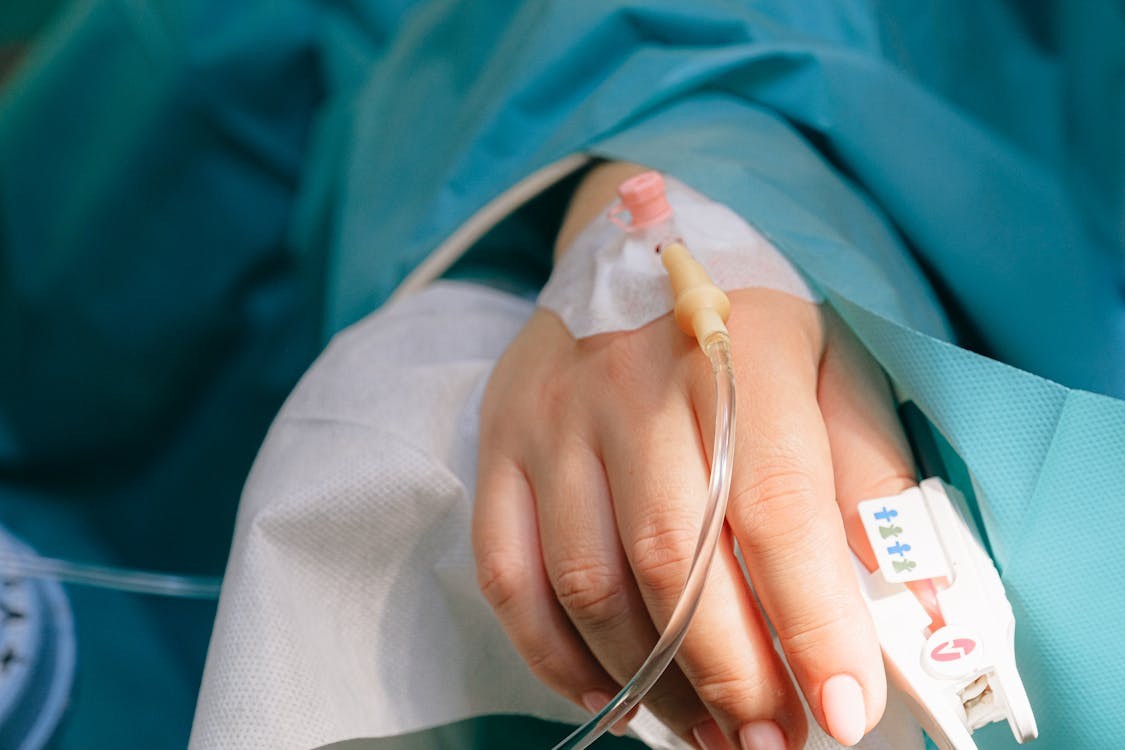
Being involved in an accident is a life-changing ordeal. Along with the physical injuries you sustain, there’s also the challenge of recovery. Patients who have undergone traumatic injuries often find it difficult to view the future positively, especially if the accident rendered them disabled.
A full recovery is expected only when the right steps are taken immediately in the aftermath and throughout the journey. Here’s a quick guide to walk you through the process of healing and get you back on the right track.
Aside from the major injuries you sustained, you will also need to have minor ones checked. They may not be as life-threatening as a fracture or a puncture wound, but these injuries are just as critical.
If you were involved in a car accident, the effects of whiplash may manifest weeks after. By then, this injury could lead to a wide range of conditions, such as muscle soreness and insomnia, among other symptoms that cause discomfort and hinder a full recovery.
Seeking immediate treatment can help you prepare for any legal action you may undertake. Whether you’re injured due to a slip-and-fall accident or a direct assault by another party, seeking treatment and documenting your injuries right away will help you get properly compensated and ease your financial burdens during your post-recovery phase.
Ample rest is non-negotiable in the aftermath of a traumatic accident. Your full recovery hinges on how well you follow your doctor’s advice and the treatment plan prescribed for you. This becomes clearer if the accident left you physically debilitated, requiring extensive therapy to restore your mobility and slowly adapt to your disability.
Exercise and physical therapy can only do so much to restore proper functioning to affected parts. The process can become more efficient when you consume the right food. Your doctor will recommend a diet that consists mainly of protein, which will help rebuild your muscles during an extensive period of rest. It also plays an essential role in healing wounds and boosting your body’s immune system.
Other nutrients that can aid the recovery process include vitamin D and calcium, which are essential for bone repair and growth if you sustained major fractures from the accident. On the other hand, omega-3 fatty acids can aid in reducing inflammation and suppressing oxidative stress.
Your diet should consist of antioxidant-rich vegetables, whole grains such as wheat and oats, and fish, especially tuna. Ask your doctor for advice in preparing your meal plans, especially if you have pre-existing conditions that certain foods may worsen.
Moving after an accident may be difficult at first, especially if you’ve been bedridden for a long time. Restoring movement is not a straightforward process, as you need to give your limbs, joints, and tendons time to heal.
To kickstart movement, go for low-impact exercises you can do in bed or within a small area. Try simple stretches to loosen up your bones and muscles, and aim for gradual gains each day until you can fully extend and flex as pain gradually decreases. You may have to wear a cast or use crutches to walk around, but regardless of how difficult it would be, moving around can allow for full movement restoration.
When your condition improves, you can go for high-impact activities, starting with long brisk walks or a short jog if your physician agrees. These activities will not only prevent muscle atrophy, but they can also help improve blood circulation, allowing for better nutrient transport and absorption. However, some injuries may still take a longer time to fully recover, so your doctor may recommend other methods to boost your physical therapy sessions, such as targeted massages and even chiropractic strategies.
Throughout the recovery process, you will have to pay most of your hospital and medical bills out of your pocket. However, as a victim, you are entitled to compensation that not only includes initial hospital expenses, but also other economic and non-economic damages reflecting the extent of your physical, emotional, and financial suffering.
You are well within your rights to demand compensation from a liable party, but larger compensation requires reaching out to a legal professional, especially one with a solid background in medical cases, injuries, and tort law. If ever you were involved in a car crash near Fort Lauderdale, consider finding a Florida accident injury lawyer who can help you file your claim and navigate this complex legal process.
With the right lawyer’s help, you will be able to build a strong case consisting of quality evidence and expert testimonies. The medical professional who oversees your treatment can also justify a compensation amount greater than what the liable party has to offer. As long as you have all the facts on your side, it’s best not to yield to a hasty settlement until the other side matches the full compensation you’re entitled to. That way, you will have fewer things to worry about as you continue recovering.
In the aftermath of a severe accident, your mental well-being deserves support and healing. You can’t overlook the emotional damage the accident may have inflicted on you, so it’s important to undergo therapy aimed at addressing possible symptoms of post-traumatic stress disorder as well as other conditions that traumatized victims often develop over time.
Along with follow-up physical check-ups and therapies meant to help restore your range of motion, you shouldn’t skip psychiatric sessions that can help you develop a healthier way to process your trauma. Your mental health professional may prescribe medication to ease any restlessness or anxiety you might feel.
You may also be encouraged to take on a new hobby or document your experiences in a journal. No matter the case, practicing self-care and opting for psychiatric interventions should go hand in hand with your physical recovery. Not only that, you will need the love and support that immediate family members and friends can provide.
A traumatic accident doesn’t signal the end of a healthy life and the start of permanent suffering. Hope is waiting at the end of the tunnel. You just have to use the guide above to reach it.
Comments (0)