How to Create a Child-Friendly Dental Routine at Home
9 months ago 585

As a parent, you know how important it is to teach your child healthy habits early in life. Oral hygiene is one of the most essential lessons, yet it can also be one of the most challenging. Getting children excited about brushing and flossing may feel like an uphill task.
With some creativity, proper structure, and consistency, you can turn dental care into a fun part of your child’s daily routine. To make sure your family receives the best care and guidance, consult the Dentist Renton for personalized tips tailored to your child’s needs.
Good dental habits start at home, long before the first dental visit. Start cleaning your baby’s gums early with a soft, damp cloth, even before teeth emerge. This simple step helps your child get used to oral care and removes harmful bacteria. Once the first tooth appears, gently brush using a small, soft-bristled toothbrush with a tiny, rice-sized amount of fluoride toothpaste.
Children are keen observers. They learn best by watching you. Make brushing a family activity. Brush your teeth with your child to model proper technique and emphasize that dental care is a vital daily habit. When you model enthusiasm, your child naturally mirrors your attitude.
Consistency is the foundation of good oral hygiene. Create a predictable schedule by setting fixed times for brushing, once in the morning and once before bedtime. A structured routine gives your child a sense of responsibility and helps form long-term habits.
To make the process smoother, use visual aids such as a colorful brushing chart. Allow your child to mark each completed brushing session with stickers or stars. Positive reinforcement works wonders in developing accountability and motivation. Over time, your child will begin to associate brushing with accomplishment and pride.
Children respond well to fun and creativity. Transform brushing time into an enjoyable experience rather than a daily chore. Play your child’s favorite song and encourage them to brush for the entire duration, ideally two minutes. You can also use brushing apps that include timers, animations, or games to keep them entertained while ensuring proper brushing time.
Let your child choose their toothbrush and toothpaste. Colorful brushes, cartoon characters, and fruity-flavored toothpaste can make a big difference. This sense of control makes your child feel more involved and enthusiastic about their dental routine.
Teaching the right brushing technique is crucial for effective cleaning. Encourage your child to use small, circular motions and cover every tooth surface, front, back, and chewing areas. Show them how to brush gently along the gumline without applying too much pressure. Overbrushing can harm delicate gums and enamel.
Flossing should become part of the routine as soon as two teeth touch. Use child-friendly flossers to simplify the process. Demonstrate the correct method and help your child until they are confident doing it independently. Consistent supervision during the early years ensures that your child develops proper techniques that last a lifetime.
A balanced diet is just as important as brushing and flossing. Limit sugary snacks and drinks, since they lead to plaque formation and tooth decay. Encourage healthy alternatives like fruits, vegetables, cheese, and yogurt, which help strengthen teeth and gums.
Water should always be the primary drink of choice. It not only hydrates your child but also aids in removing food particles and bacteria. Educate your child about how certain foods affect their teeth. The more they understand the connection between diet and oral health, the more mindful they become about their choices.
Motivation is a key driver in building good habits. Children thrive on praise and recognition. Use a reward system to celebrate consistency and effort. Rewards do not always need to be material; they can be verbal encouragement, extra playtime, or a favorite bedtime story.
However, avoid using sweets as rewards, as this contradicts the goal of promoting dental health. Focus on activities that foster family bonding and reinforce positive behavior. The goal is to make oral hygiene something your child looks forward to rather than resists.
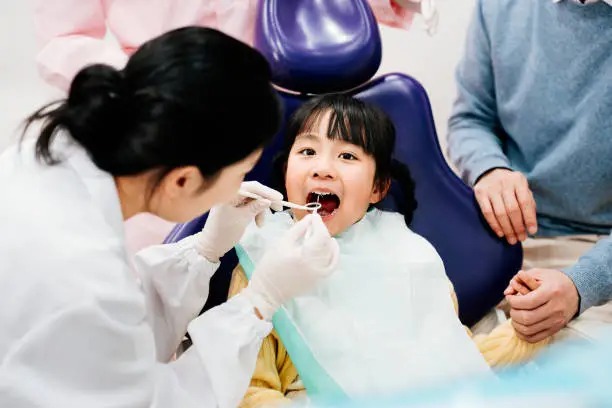
Even the most diligent home routine cannot replace professional dental care. Schedule your child’s initial dental appointment by their first birthday or within six months of the first tooth emerging. Early visits help detect potential problems, establish a dental history, and reduce anxiety associated with dental appointments.
During these visits, your child discovers that the dentist is a friendly expert dedicated to maintaining their teeth's strength and health. A child-focused dental clinic like Haven Dental provides a welcoming environment, gentle care, and educational guidance that empowers both you and your child to maintain optimal oral health.
It is natural for children to feel nervous about dental visits. Your attitude greatly influences how they perceive things. Remain calm, positive, and reassuring. Avoid using negative words such as “pain” or “needle.” Instead, explain the visit in simple, comforting terms.
You can prepare your child by reading storybooks about dental visits or role-playing at home. Familiarity helps reduce fear and builds confidence. Many pediatric dentists also use distraction techniques such as toys, music, or interactive explanations to create a stress-free experience.
Education does not have to be boring. Turn oral health lessons into storytelling opportunities. Create simple stories where the hero fights “sugar bugs” or “plaque monsters.” This imaginative approach captures your child’s attention and makes dental care feel like an adventure rather than a responsibility.
Interactive games, puzzles, or educational videos can also help reinforce dental knowledge in an engaging way. By blending learning with play, you nurture awareness and understanding that will influence your child’s habits well into adulthood.
Every child learns at their own pace. Some may take longer to follow routines independently. Patience and consistency are essential. Avoid scolding or expressing frustration if your child forgets to brush. Instead, gently remind and encourage them.
Celebrate small milestones. Recognizing effort motivates your child to continue improving. Over time, these small wins add up, shaping a confident and responsible attitude toward personal health and hygiene.
Creating a child-friendly dental routine at home requires time, creativity, and consistency. By turning dental care into a positive and engaging experience, you help your child develop habits that will protect their smile for life.
Remember, your role as a parent is to guide, model, and support. Combine your efforts at home with professional care from the Dentist in Renton to ensure your child receives comprehensive, compassionate, and expert dental care.
Comments (0)