B.S. in Respiratory Care Online: Preparing for a Critical Role in Healthcare
9 months ago 827

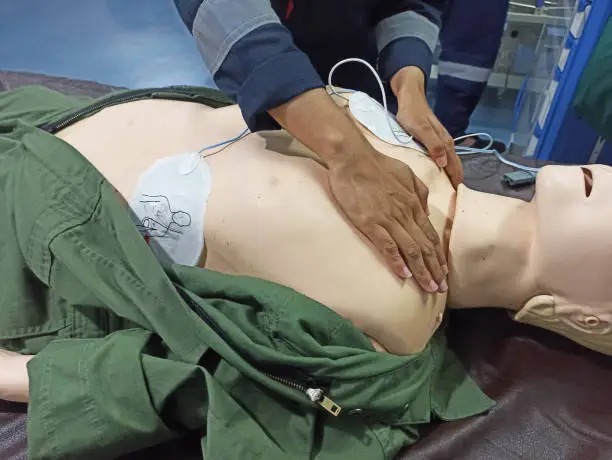
The global demand for qualified respiratory therapists has accelerated due to various factors, from rising rates of chronic lung disease to the growing elderly population and the recurrence of seasonal respiratory infections. Organizations such as hospitals, long-term care facilities, outpatient clinics, and home care agencies increasingly rely on well-trained RTs to deliver complex care and respond to emergencies. According to recent workforce projections, the job outlook for respiratory therapists is highly favorable, with an expected growth rate that outpaces many other health professions. A flexible educational option, such as a respiratory therapist school online, enables aspiring professionals to acquire in-depth training while balancing personal and professional commitments.
The profession requires technical proficiency and understanding of broader healthcare systems, regulatory standards, and patient engagement strategies. Today's respiratory therapists are essential to interprofessional healthcare teams, working alongside physicians, nurses, and other specialists to deliver evidence-based care to patients with acute and chronic conditions. As the scope of respiratory care grows, educational advancement is increasingly necessary to keep pace with these evolving responsibilities.
With the demands of modern life, many healthcare practitioners and aspiring students find traditional classroom-based degrees a poor fit for their schedules. Online B.S. in Respiratory Care programs at Northern Kentucky University meet this need by offering asynchronous learning, interactive assignments, and virtual collaboration—all accessible from anywhere. This flexibility is especially valuable to practicing respiratory therapists seeking additional credentials to open new career doors or comply with evolving licensure requirements.
Online programs often feature a relevant and rigorous curriculum, leveraging students' current clinical experiences by integrating real-world projects and assignments. This allows learners to immediately apply theory to practice, enhancing their competence on the job while progressing academically. These programs also foster communication and collaboration across geographic distances, exposing students to diverse viewpoints and innovative approaches in respiratory therapy.
The online respiratory care program curriculum is intentionally comprehensive, balancing foundational knowledge with advanced applied skills. Students dive into core subjects such as cardiopulmonary anatomy and physiology, pathology, pharmacology, and disease management. Beyond technical coursework, there is an emphasis on topics like healthcare ethics, research literacy, leadership principles, and patient-centered care.
Advanced online platforms support student success by offering virtual simulations, interactive case studies, and recorded demonstrations that enhance understanding beyond reading alone. Clinical practicum experiences, often arranged in students' local communities, ensure practical skills development remains central to the degree, minimizing disruptions to work and family life.
A bachelor's degree can be a true differentiator in today's job market. Hospitals and health systems increasingly seek candidates with advanced training in management, education, specialty clinical roles, and team leadership. Advanced education correlates with eligibility for specialized certifications and chances to coordinate care for complex patient populations, such as those requiring neonatal or pediatric respiratory support.
In addition to clinical care, bachelor's-prepared therapists can transition into nontraditional settings: healthcare administration, product development, academic teaching, research, and consulting. The flexibility of these paths supports job satisfaction and long-term career resilience. Additionally, increased educational attainment is often associated with higher earning potential and better job security, making further schooling worthwhile for many.
Rapid change defines today's respiratory care environment. During the COVID-19 pandemic, RTs became frontline responders, managing ventilators and developing critical protocols for patient survival. New technology—from advanced monitoring systems to portable home health devices—continues to transform practice and set new standards for patient care. Remaining at the forefront of these developments requires ongoing learning and involvement in professional networks.
Staying current with evidence-based protocols and changes in healthcare regulations is essential for protecting patient safety and optimizing outcomes. Online B.S. programs prepare students to adapt to new guidelines quickly, integrate cutting-edge tools into practice, and lead quality improvement and patient advocacy efforts in their workplaces and communities.
The path to an online B.S. in Respiratory Care attracts diverse learners. Registered respiratory therapists looking to move into supervisory or specialized clinical positions will find advanced education invaluable. Allied health professionals, such as emergency medical technicians or those with nursing or health sciences backgrounds, may use the degree to enter a new clinical specialty or qualify for expanded roles. Even career changers outside health care are discovering the rewards of helping patients regain and maintain their breathing health, especially given the rising demand for qualified practitioners.
The online format is particularly well-suited to adult learners, returning students, and those balancing work, family, and academic obligations.
Modern respiratory therapists need a portfolio of skills beyond mastering clinical procedures. Programs at the bachelor's level develop advanced critical thinking, versatility, professional advocacy, research competence, and communication skills essential for functioning effectively within multidisciplinary healthcare teams. With healthcare guidelines, technology, and patient populations evolving quickly, graduates must be prepared to engage in lifelong learning and adapt to new evidence after graduation.
Exposure to research principles and data-driven practice strengthens therapists' ability to interpret new studies and integrate innovation into everyday work, making them better clinicians and forward-thinking contributors to the field.
Succeeding in an online respiratory care degree goes beyond logging in for lectures or submitting assignments. The most effective students proactively seek instructor feedback, build study groups with peers, and use digital resources such as online libraries, webinars, and professional associations to enrich their studies. Establishing structure and regular study time at home, along with leveraging multimedia content and virtual mentorship opportunities, helps bridge the gap between digital theory and hands-on practice.
Building a professional network during your studies also pays dividends for years to come. Many job opportunities and mentorships originate from connections made during school.
Innovations in healthcare and increased focus on respiratory health forecast a strong future for respiratory therapy. As the profession continues to grow in scope and responsibility, those with advanced education will be positioned as leaders and specialists, ready to shape protocols and mentor the next generation of practitioners. Completing a B.S. in Respiratory Care online meets the profession's demand for flexibility and up-to-date training. Still, it also equips practitioners to make a meaningful impact on patient care, health policy, and the evolution of healthcare delivery for years to come.
Comments (0)