How Insoles for Back Pain Improve Posture Fast
9 months ago 562

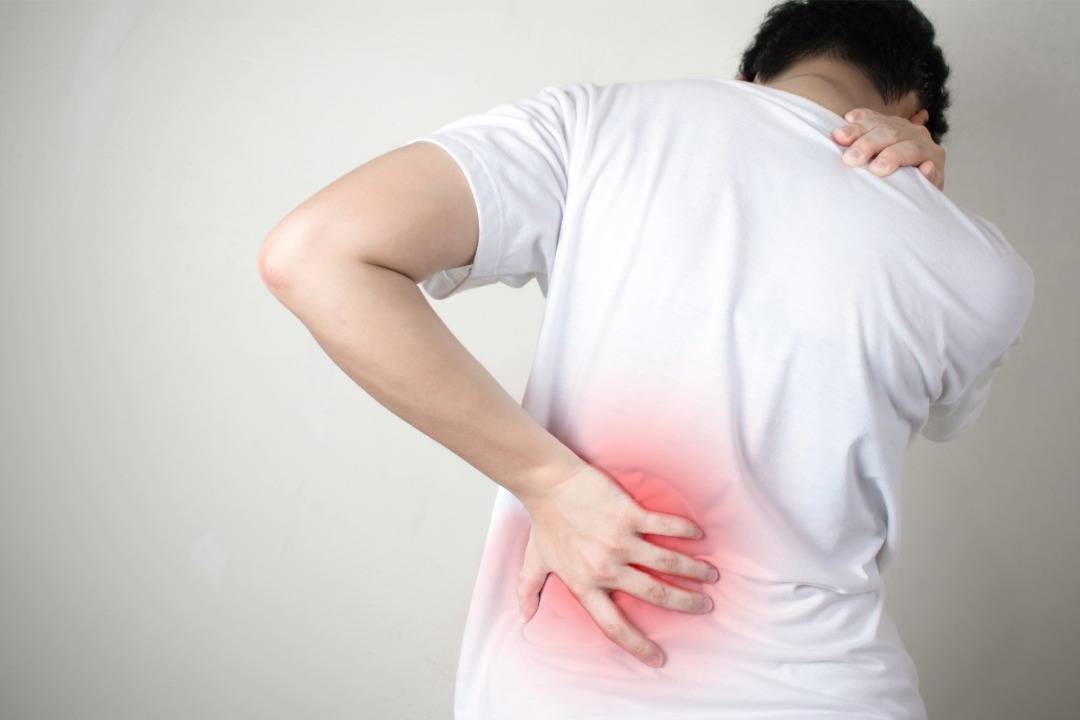
Back pain affects millions of people worldwide and is one of the most common reasons for missed workdays and decreased quality of life. While the causes of back pain vary, poor posture and inadequate foot support are often overlooked contributors. The feet serve as the foundation of your entire body, so any misalignment or imbalance can have ripple effects that impact the spine, hips, and shoulders. Fortunately, modern insoles for back pain are designed to correct these issues quickly by improving posture, aligning the body, and reducing the stress placed on the back.
Your feet play a crucial role in supporting your body’s alignment. Each step you take sends impact forces through your feet, up your legs, and into your spine. If your feet are not properly supported, these forces can cause misalignment and strain the lower back. Flat arches, overpronation (where the feet roll inward), or high arches can all lead to posture problems that result in persistent pain.
When your feet are misaligned, your body compensates by shifting weight unevenly or altering its natural posture. This causes the muscles in your lower back, hips, and even shoulders to overwork to maintain balance. Over time, this muscular imbalance creates fatigue and pain. Proper insoles realign your feet into their natural position, ensuring that your spine stays neutral and your posture remains upright.
High-quality insoles are designed to provide structural support that redistributes weight evenly across your feet. This even distribution reduces stress on the lower back by preventing excessive tilting of the pelvis and curvature of the spine. By stabilizing your foundation, insoles help reduce the micro-adjustments your muscles constantly make to keep you upright.
Moreover, cushioned insoles absorb shock from every step you take. Without this absorption, repetitive impact from walking or standing on hard surfaces travels directly to the lower back. Over time, this can exacerbate spinal compression and increase pain. Insoles that combine firm arch support with a soft top layer deliver the ideal balance of comfort and structure—keeping your spine in better alignment and easing daily discomfort.
Poor posture doesn’t just make you look slouched; it affects your overall health and movement efficiency. When your posture is misaligned, muscles and joints are forced to work harder, leading to tension and fatigue. Insoles for posture improvement help correct these imbalances by guiding your feet into a neutral position. This encourages your body to stand and walk correctly, maintaining proper spinal alignment.
By lifting the arches and providing targeted heel support, these insoles help your pelvis return to its natural position. As a result, your shoulders and spine also adjust automatically, promoting a more balanced stance. With consistent use, you’ll likely notice less stiffness, improved mobility, and a natural improvement in posture—without consciously forcing yourself to “stand straight.” Over time, these small changes can significantly reduce chronic strain on your back and neck.
Another benefit of insoles for posture improvement is their ability to train your muscles. When your body is properly aligned, the correct muscle groups become engaged during walking or standing. This helps retrain your body to maintain good posture naturally, even when you’re not wearing shoes. The longer you use supportive insoles, the more your body learns to carry itself correctly—resulting in long-term postural benefits.
Many people who suffer from chronic lower back pain don’t realize that their feet may be to blame. Misalignment at the base of your body can lead to a domino effect of tension that reaches the spine. Insoles for bad back relief address this issue by supporting proper biomechanics from the ground up. They provide customized cushioning and arch support that help your feet maintain optimal alignment throughout the day.
These insoles also help relieve pressure from key areas such as the heels, arches, and lower back. By evenly distributing weight and reducing stress on your joints, they minimize pain caused by standing or walking for long hours. Some advanced insoles even feature gel or memory foam inserts that adapt to your unique foot shape, offering personalized comfort that reduces fatigue and enhances mobility.
Another advantage of using insoles for bad back relief is their ability to reduce inflammation caused by poor posture and uneven weight distribution. When your feet are properly aligned, your muscles and joints don’t need to compensate, preventing strain and allowing your body to heal more effectively. Whether you’re recovering from an injury or simply looking to reduce chronic pain, insoles can provide consistent support that makes daily movement far more comfortable.
Beyond posture and back relief, insoles can improve your overall well-being in several ways. For instance, they enhance circulation by promoting better weight distribution and reducing pressure points, which is particularly beneficial for individuals who stand for extended periods. They also prevent fatigue by minimizing muscle strain and allowing your body to function more efficiently.
Another overlooked benefit is their impact on balance and coordination. Insoles stabilize your stance, which not only improves posture but also reduces the risk of slips, falls, and uneven gait patterns. This is especially valuable for older adults or those with weakened lower-body strength. Additionally, insoles extend the lifespan of your shoes by reducing uneven wear and providing extra shock absorption.
For athletes and active individuals, insoles play a crucial role in performance and injury prevention. By stabilizing the foot and improving alignment, they reduce the likelihood of overuse injuries such as shin splints or lower back strain. Runners, in particular, can benefit from the enhanced shock absorption that prevents impact-related fatigue after long training sessions.
Not all insoles are created equal, so it’s important to choose a pair that fits your needs. Start by identifying the type of arch you have (flat, normal, or high) as this will determine the level of support required. Flat feet typically need firm arch support to prevent overpronation, while high arches benefit from cushioned insoles that fill the gap between the foot and shoe.
Custom orthotic insoles are often the best option for those with chronic back pain, as they are molded to your unique foot shape. However, high-quality over-the-counter insoles can also provide excellent results when chosen carefully. Look for features like durable arch reinforcement, deep heel cups, and moisture-wicking materials to keep your feet comfortable throughout the day.
When introducing new insoles, give your body time to adjust. Start by wearing them for a few hours each day and gradually increase usage as your posture improves. If discomfort persists, consult a podiatrist or physiotherapist who can recommend the ideal type for your specific needs.
Investing in the right insoles for back pain can be a life-changing decision. By correcting posture, supporting spinal alignment, and relieving pressure on the lower back, insoles address one of the root causes of chronic pain rather than just masking symptoms. Over time, consistent use can help you move with greater ease, stand taller, and experience less fatigue throughout the day.
Whether you spend hours on your feet, sit at a desk all day, or struggle with chronic lower back discomfort, insoles provide a simple yet powerful solution. They don’t just make your feet feel better; they help your entire body function as it should. With the right support, relief and better posture are just a step away.
Comments (0)