Beyond Beauty: How Modern Laser Treatments Are Helping Prevent Long-Term Skin Damage
11 months ago 554

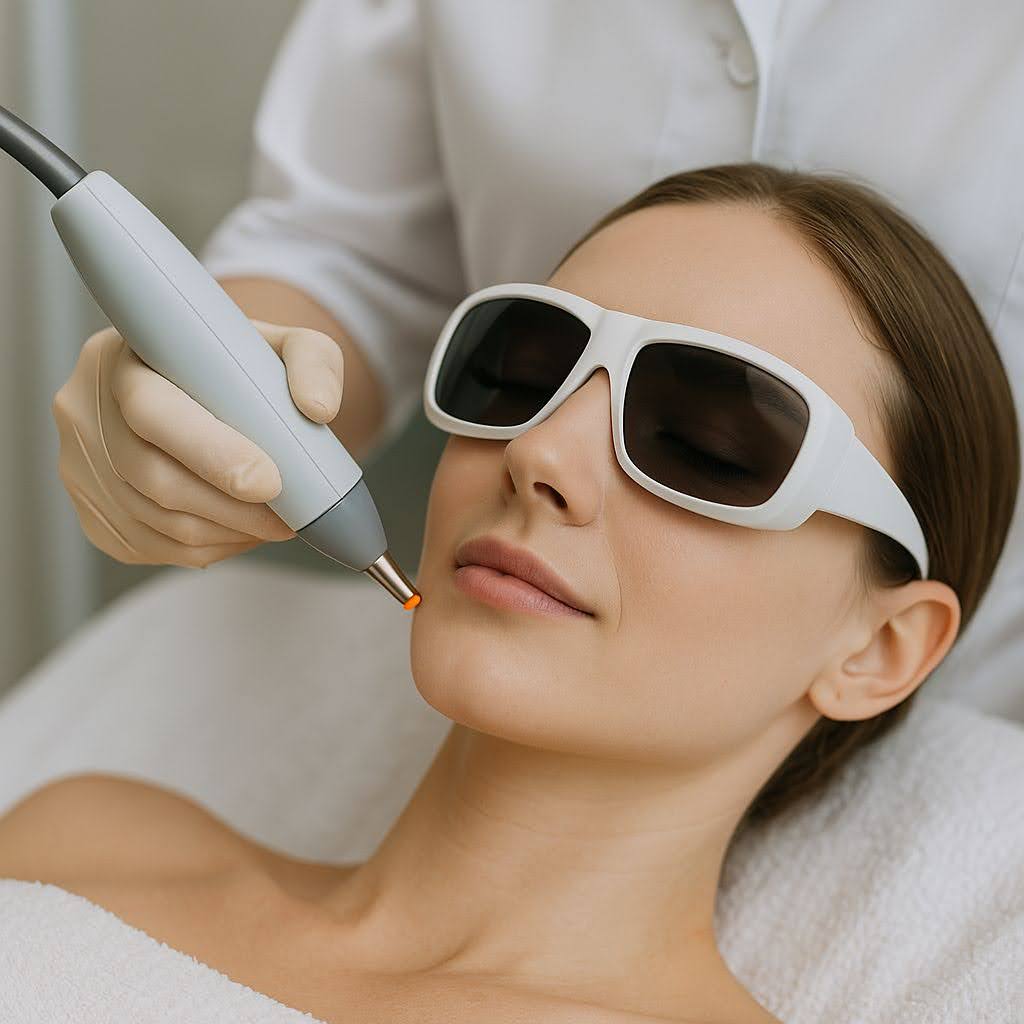
The connection between sunlight and skin health has been understood for decades, yet new research continues to reveal just how much ultraviolet exposure reshapes the skin. Wrinkles, pigmentation, and sagging are visible reminders of photoaging, but beneath the surface, cumulative damage may also increase the risk of certain skin cancers. In recent years, modern laser treatments have emerged not only as cosmetic tools but also as possible allies in preventing long-term harm. This dual role is drawing attention from dermatologists, patients, and the medical spa industry alike.
The World Health Organization estimates that up to 80 percent of visible facial aging is caused by ultraviolet radiation. Sun exposure stimulates melanin production, leading to freckles, age spots, and uneven tone, while also degrading collagen and elastin, which are essential for firmness and elasticity.
Skin cancer adds another dimension to the problem. The American Cancer Society reported in 2024 that more than 97,000 new cases of melanoma were diagnosed in the United States, alongside over 1.5 million cases of basal and squamous cell carcinoma. While early detection and treatment have improved survival rates, preventing these cancers remains a public health challenge.
Traditional preventive strategies include sunscreen, protective clothing, and regular skin checks. These remain essential, yet the limitations are well known. Sunscreen requires reapplication and often fails when applied inconsistently. Lifestyle changes can help but may not reverse accumulated damage. This is where non-invasive laser treatments are starting to demonstrate potential benefits that extend beyond appearance.
Modern laser devices use focused light energy to create controlled micro-injuries in the skin. These stimulate the body’s natural repair mechanisms, including collagen production and cellular turnover. By targeting pigment or water molecules in the skin, lasers can reduce sunspots, smooth fine lines, and improve overall tone.
The evolution of laser technology has been rapid. Early devices in the 1990s produced significant improvements but carried high risks of scarring, pigment changes, and long recovery periods. Today’s lasers deliver energy in more precise ways, minimizing downtime and expanding the range of safe candidates. Fractional lasers, for example, treat only a fraction of the skin’s surface at a time, leaving surrounding tissue intact and speeding up healing.
The cosmetic benefits are clear, but clinical studies are now showing that these interventions may also have protective effects against certain forms of skin cancer and pre-cancerous lesions.
A pivotal study published in January 2023 drew attention to this possibility. Researchers followed patients with a history of nonmelanoma skin cancers who underwent nonablative fractional laser treatments. Over a follow-up period of three years, those who received laser therapy showed nearly a 50 percent reduction in the recurrence of basal and squamous cell carcinomas compared to those who did not undergo treatment.
The mechanism appears to involve the removal of sun-damaged cells combined with stimulation of healthier tissue regeneration. By improving the architecture of the skin, lasers may reduce the reservoir of precancerous cells that can later evolve into malignancies.
Other studies conducted between 2020 and 2024 have reported similar findings. Patients treated with fractional lasers for cosmetic reasons also demonstrated lower rates of actinic keratoses, which are known precancerous lesions. While more research is needed, the consistency of these results suggests a protective role that goes beyond aesthetics.
It is important to emphasize that laser treatments do not replace sunscreen or regular dermatological care. They function as an additional tool rather than a substitute. Sunscreen blocks ultraviolet rays in real time, while lasers target the long-term effects of accumulated exposure. Together, they provide a more comprehensive strategy for maintaining skin health.
Topical treatments such as retinoids, vitamin C serums, and hydroquinone creams remain useful for reducing pigmentation and improving texture. However, their effects are generally superficial and gradual. Laser treatments achieve deeper remodeling, producing structural changes in collagen and elastin that topical agents cannot match.
This combination of depth and precision explains why dermatologists and medical spas increasingly recommend lasers for patients who want both cosmetic improvement and potential long-term health benefits.
Laser treatments vary widely in type, intensity, and purpose. Nonablative lasers create controlled heating without removing surface layers, making them suitable for patients who want subtle results and minimal downtime. Ablative lasers remove thin layers of skin to achieve more dramatic resurfacing, but they require longer recovery and carry higher risks.
The choice depends on skin type, degree of sun damage, and patient goals. Costs can range from a few hundred dollars per session to several thousand for more intensive treatments. Most patients require multiple sessions spaced weeks apart to achieve lasting improvements.
Recovery is generally straightforward, with temporary redness, swelling, or sensitivity. Proper aftercare, including strict sun avoidance and the use of medical-grade skincare, is critical to maximizing benefits and minimizing risks.
Most healthy adults with visible signs of photoaging are potential candidates for laser therapy. However, factors such as skin tone, history of scarring, or certain medical conditions may influence eligibility. People with darker skin types require special consideration, as improper settings can lead to pigment changes. Advances in laser platforms have expanded the range of safe options, but provider expertise remains the key determinant of success.
Patients with active skin infections, recent isotretinoin use, or a history of keloid scarring may not be suitable candidates. A consultation with a qualified dermatologist or licensed provider ensures that risks are minimized and expectations are realistic.
Medical spas bridge the gap between clinical dermatology and traditional spa experiences. They provide the comfort of a wellness environment while offering access to licensed professionals and advanced technology. For many patients, this balance makes med spas an attractive option for exploring laser treatments.
In Los Angeles and other metropolitan centers, demand has surged for services that deliver measurable improvements without the invasiveness of surgery. Trusted providers often emphasize education, helping clients understand how treatments fit into a broader strategy for skin health. For example, many patients seek out fractional CO2 laser treatments to address sun damage and pigmentation while also gaining the added reassurance of long-term benefits supported by emerging research.
While facial treatments are the most common, laser technology is increasingly used on other areas of the body. The chest, neck, and hands are frequent sites of sun damage that betray a person’s age even when the face looks youthful. Extending treatments to these areas provides a more balanced appearance and may deliver similar protective effects.
Some providers are also exploring lasers for acne scars, stretch marks, and other conditions where skin remodeling offers benefits. This versatility underscores why lasers are now viewed as foundational tools in aesthetic and preventive dermatology.
Like many innovations in medicine and beauty, laser treatments have been subject to hype. Marketing often highlights dramatic transformations without fully explaining the range of possible outcomes. Patients should approach claims with a balanced perspective.
The truth lies in the middle. Lasers are not miracle cures, but neither are they simple cosmetic tricks. Evidence supports their effectiveness for improving appearance and suggests meaningful contributions to skin health. The best outcomes occur when patients work with experienced providers, follow recommended treatment plans, and maintain healthy habits such as sun protection.
As research expands, lasers may play a larger role in preventive dermatology. Clinical trials are underway to explore how different wavelengths, pulse durations, and treatment protocols influence not just cosmetic results but also cellular resilience. Advances in technology may allow treatments that are faster, safer, and even more effective at reducing the burden of sun-induced skin disease.
Artificial intelligence and machine learning are also being integrated into laser platforms, promising personalized settings based on individual skin profiles. This precision could further minimize risks while maximizing benefits for diverse populations.
Modern laser treatments represent a convergence of beauty and health. They smooth wrinkles, fade pigmentation, and improve texture, but they also appear to reduce the recurrence of certain skin cancers and precancerous lesions. This dual benefit positions lasers as more than cosmetic tools; they are evolving into preventive interventions that address the root causes of sun damage.
For patients, the message is clear. Sunscreen and healthy habits remain essential, but lasers can add another layer of protection and rejuvenation. By choosing experienced providers and evidence-based treatments, individuals can enjoy both the immediate satisfaction of clearer, younger-looking skin and the long-term security of healthier tissue.
In 2026, the line between aesthetic enhancement and medical benefit is becoming increasingly blurred. Lasers are no longer just about looking good in the moment; they are about protecting skin for years to come.
Comments (0)