How Do You Choose the Best Dental Adhesive for Indirect Restorations?
9 months ago 789

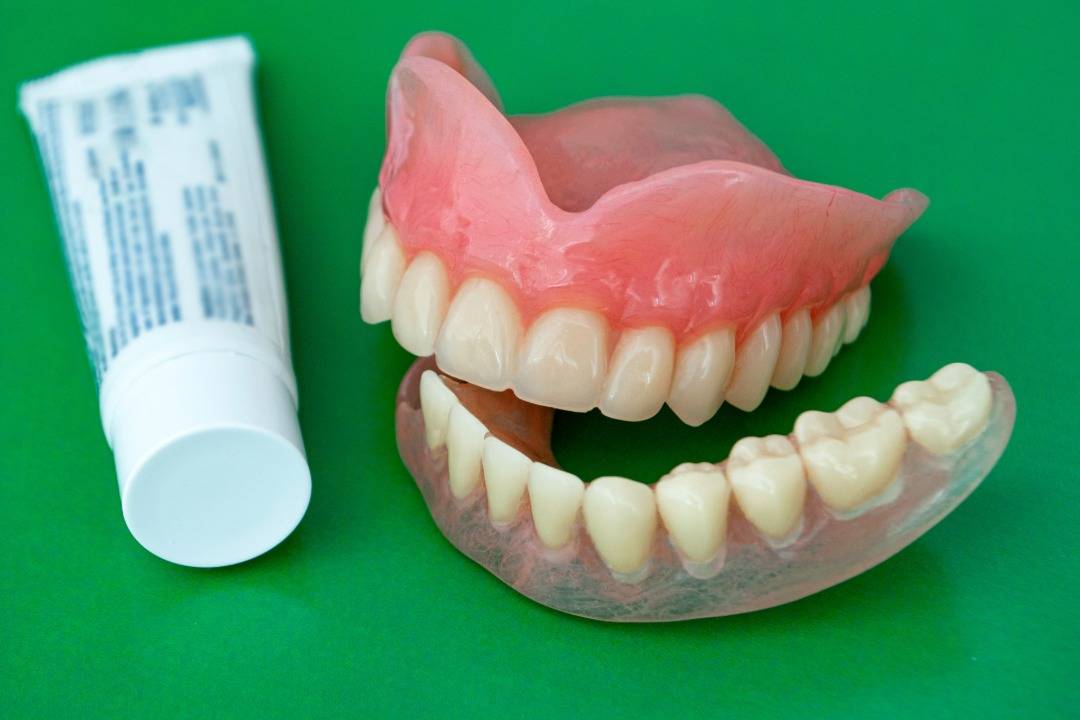
Selecting the right dental adhesive plays a key role in the success of indirect restorations. The material must provide strong bonding while supporting long-term durability. Dentists look for adhesives that are easy to use and give dependable results each day in practice. Different restorations such as crowns, bridges, and inlays may require specific bonding properties. The best choice is one that blends performance with clinical efficiency while meeting patient expectations. Many practices simplify this process by turning to dental cement and adhesive materials that provide dependable results across multiple applications. This variety ensures dentists can match adhesives to the procedure at hand while keeping consistency in care.
Adhesives act as the link between restorative material and tooth structure. Without a dependable bond, restorations may fail, leading to discomfort or early replacement. A strong adhesive prevents microleakage and strengthens the tooth-restoration interface. This matters not only for appearance but also for keeping the mouth healthy. Over the years, advances in adhesive technology have improved outcomes for patients and simplified application for clinicians. Understanding how these materials work helps dental teams choose the most effective product for each case.
Resin-based adhesives are widely used because they provide high bond strength and durability. They are particularly suited for all-ceramic restorations that require a reliable connection to enamel and dentin. Resin systems offer versatility, but they often require careful technique and moisture control. When handled properly, they give long-lasting results and strong esthetic outcomes. Many clinicians prefer these adhesives for cases where appearance and strength are equally important. They remain a popular choice for indirect restorations due to their proven track record.
Self-adhesive resin cements have grown in popularity because of their convenience. They simplify the bonding process by combining steps into one application. This reduces chair time and lowers the chance of errors during the procedure. These materials also provide solid retention for a wide range of restorative types. Although their bond strength may not always equal that of multi-step systems, their ease of use appeals to many practitioners. They are a practical solution when efficiency is a top priority.
Glass ionomer cements remain an important option for certain clinical cases. They provide chemical adhesion to tooth structure and release fluoride, which helps resist decay. While not as strong as resin adhesives, they are useful for patients at higher risk of recurrent caries. Their ease of placement and reduced technique sensitivity make them a dependable option in specific situations. They work especially well when moisture control is a challenge. Dentists continue to use them as part of a balanced approach to adhesive dentistry.
The best adhesive often depends on the type of restoration, the patient’s needs, and the dentist’s preferences. Considerations include strength, esthetics, working time, and clinical environment. Cost is also a factor, especially for practices that want high-quality results while maintaining efficiency. Reliable suppliers help clinics access a wide range of adhesives without overspending. With thoughtful selection, dentists can ensure long-term success for both their patients and their practice.
Choosing the best dental adhesive for indirect restorations requires balancing strength, simplicity, and clinical goals. Resin adhesives provide excellent esthetics and durability, while self-adhesive cements add efficiency to everyday treatments. Glass ionomer cements remain valuable for patients who need added protection. Each option serves a purpose, and understanding these differences helps dentists make the right decision for every case. The right adhesive not only supports the restoration but also helps maintain patient trust and lasting oral health.
Comments (0)