Understanding GLP-1 Therapy: What to Know About Wegovy Weight Loss Injections
Introduction
In recent years, the landscape of obesity treatment has shifted significantly. Thanks to advances in pharmacology, it is no longer just diet and exercise alone. Medications such as eGLP-1 receptor agonists are offering meaningful support for people with obesity. Among them, wegovy weight loss injections have gained attention for their ability to improve appetite control and yield sustained weight loss. Before embarking on this therapy, patients and healthcare professionals alike should understand how it works, who it is for, and how to approach it safely.
What Are GLP-1 Agonists and How Do They Work?
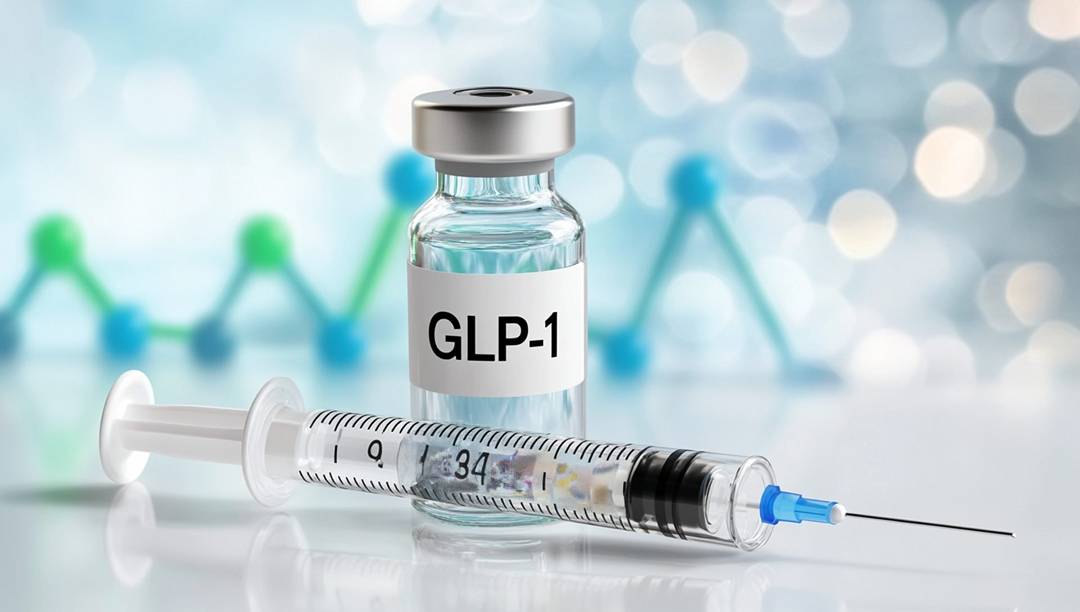
GLP-1 (glucagon-like peptide-1) is a naturally occurring hormone secreted in the gut in response to food intake. It stimulates insulin release, slows gastric emptying, and signals satiety to the brain. GLP-1 receptor agonists (or mimetics) mimic these effects in a controlled, therapeutic way.
When used for weight management, these agents reduce appetite, curb cravings, and help people feel full sooner. Because they act on both metabolic and central regulatory pathways, they are among the most promising pharmacological tools in obesity medicine.
Wegovy (semaglutide) is one such GLP-1 agonist approved for weight management. Its weekly dosing regimen offers convenience compared to earlier daily alternatives, and clinical trials show average weight loss of about 10 to 15 percent when combined with lifestyle intervention.
Who Is a Candidate for Wegovy?
Wegovy is not for everyone, and correct patient selection is crucial:
- Body Mass Index (BMI): It is typically prescribed to individuals with BMI ≥ 30 (obesity), or BMI ≥ 27 if they also have weight-related comorbidities such as hypertension, type 2 diabetes, or sleep apnoea.
- Health status: Patients must be assessed for contraindications, such as a personal or family history of medullary thyroid carcinoma, multiple endocrine neoplasia type 2 (MEN 2), or pancreatitis.
- Motivation and support: The greatest benefits are seen when medication is paired with a structured plan of diet, exercise, and behavioural support.
- Duration and monitoring: It is generally not a short-term therapy. Ongoing follow-up is needed to manage side effects, assess benefits, and consider cessation or continuation.
A considered clinical evaluation that includes full history, laboratory tests, and discussion of expectations is essential before prescribing.
Benefits Observed in Clinical Trials
The appeal of wegovy weight loss injections lies largely in their demonstrated efficacy:
- Substantial weight loss: Many participants in major trials lost between 10 and 15 percent of baseline body weight over 68 weeks, compared to far lower reductions in placebo arms.
- Metabolic improvements: Beyond weight loss, beneficial effects were observed in fasting glucose, HbA1c, systolic blood pressure, and lipid profiles.
- Sustainability: The gradual dose escalation protocol helps reduce intolerability, and many users maintain weight losses with continued therapy and lifestyle measures.
- Reduced cardiovascular risk markers: Although long-term cardiovascular outcome data is still developing, early signs are promising.
It is important to remember that individual response will vary, and not everyone achieves these average outcomes.
Side Effects, Risks and How to Manage Them
Like all pharmacotherapy, GLP-1 therapy comes with possible adverse effects:
- Gastrointestinal symptoms such as nausea, vomiting, diarrhoea, or constipation are the most common, particularly during dose escalation phases.
- Abdominal pain or discomfort, occasionally gallbladder issues, or pancreatitis (rare) must be monitored.
- Hypoglycemia risk increases when used alongside insulin or sulfonylureas in diabetic patients.
- Thyroid C-cell concerns: As a precaution, it is contraindicated for patients with a history of medullary thyroid carcinoma or MEN 2.
- Injection site reactions: Mild irritation can occur but typically resolves with rotation and technique training.
Mitigation strategies include starting at low doses and increasing gradually, providing dietetic support to reduce bloating, and frequent clinical monitoring (especially early on). Patients should be warned to seek medical attention if severe abdominal pain occurs.
Best Practices: Lifestyle + Medication = Success
Medication such as Wegovy are a powerful tool, but it is not a standalone solution. In fact, the best outcomes arise when pharmacotherapy is integrated into a comprehensive lifestyle plan:
- Nutrition: Emphasize high fibre, protein adequacy, low glycemic load, and mindful eating rather than overly restrictive diets.
- Physical activity: Even modest increases, such as 150 minutes of moderate movement weekly, support weight maintenance and metabolic health.
- Behavioural support: Cognitive-behavioural strategies, goal setting, self-monitoring, and counselling often enhance adherence and durability.
- Monitoring and feedback: Regular follow-up visits to adjust dosing, monitor labs, and address side effects are vital.
Over time, the hope is that patients internalise healthy habits so that when therapy ends, weight regain is minimized.
Future Directions and Alternatives
While Wegovy currently leads the conversation, it is not the only option:
- Other GLP-1 agents such as liraglutide remain in use, though historically with daily dosing.
- Dual agonists that combine GLP-1 with GIP or glucagon receptors are under development and may offer even stronger results.
- Combination therapy: Some clinicians trial combining lower doses of multiple agents to reduce side effects.
- Non-injection innovations: Oral GLP-1 formulations are emerging, expanding access possibilities.
In time, the therapeutic landscape for obesity may grow even more sophisticated. For now, Wegovy stands as a well researched, widely recognized option.
Considerations Before Starting Therapy
Before beginning treatment with wegovy, both patients and clinicians should deliberate on:
- Cost and accessibility: Medication, regular follow-up appointments, labs, and dietetic support all factor into real-world feasibility.
- Duration strategy: Is this intended as indefinite therapy, or will there be a planned stop date with tapering or transition strategies?
- Monitoring protocols: Baseline labs such as thyroid, kidney function, and amylase or lipase, along with periodic follow-ups, are recommended.
- Informed consent: Patients must understand potential side effects, realistic expectations, and the importance of lifestyle adherence.
- Psychological support: Addressing emotional and behavioural components of weight is often necessary for longevity.
Conclusion
GLP-1 therapies like Wegovy have opened a new chapter in evidence-based obesity management. When patients are properly selected and supported, wegovy weight loss injections can deliver meaningful weight reductions, metabolic improvements, and a better quality of life. Success depends not just on the drug but on a holistic, sustained approach to health.
As research continues, newer agents and strategies will add to the available toolkit. Until then, informed decision-making, careful monitoring, and integrated lifestyle adaptation remain the cornerstones of safe and effective weight therapy.

Comments (0)