Simplifying the Dental Implant Market: Why Compatibility Across 200+ Brands Matters for Clinicians
9 months ago 549

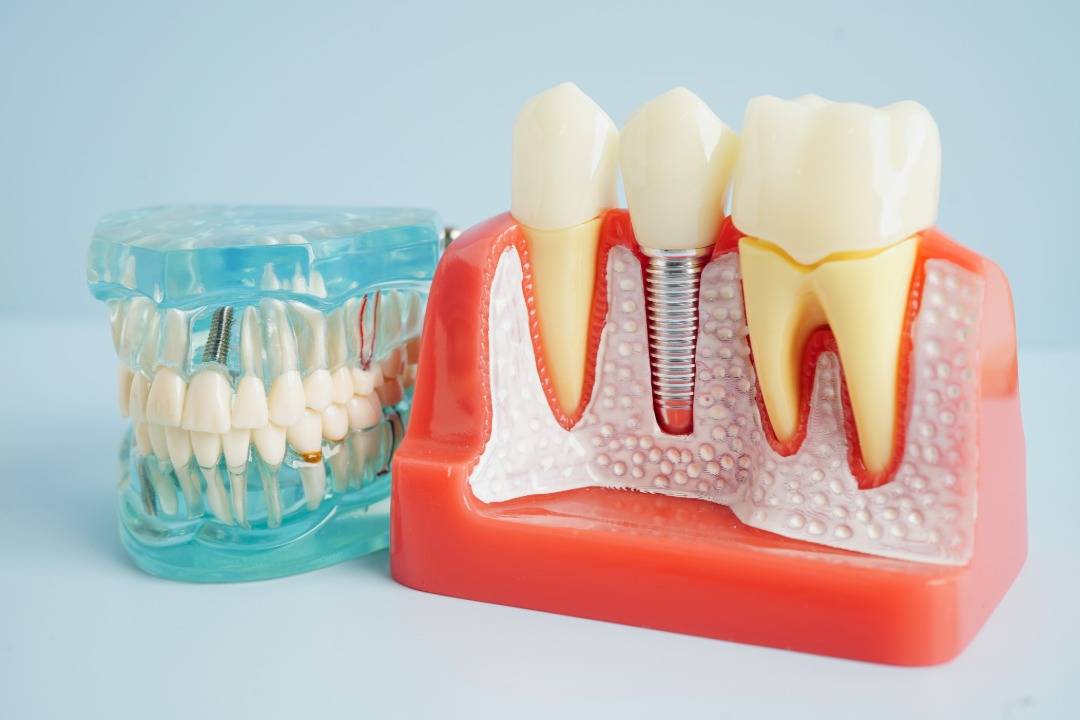
The dental implant industry has evolved rapidly over the past two decades, with hundreds of systems available on the global market. While this abundance of choice might appear to benefit practitioners, in reality, it often creates complexity. Clinicians face challenges such as maintaining large inventories, training staff across different platforms, and managing costs associated with multiple suppliers.
One of the most effective ways to overcome this challenge is by adopting implant solutions that are compatible with multiple leading brands, such as those offered by Edison Medical.
With more than 200 implant systems in circulation, clinicians frequently encounter situations where a patient requires restoration with a system from a different manufacturer than the one the practice primarily uses. This lack of standardisation leads to:
Cross-platform compatibility directly addresses these inefficiencies by enabling clinicians to work with a unified system. Key benefits include:
Consider a clinician treating patients with implants from five different manufacturers. Traditionally, this would require a large stock of brand-specific prosthetic parts. With a compatibility-driven system, the clinician can rely on a smaller, standardised set of components designed to integrate seamlessly with those brands. The result: fewer procurement bottlenecks, faster turnaround, and more predictable treatment outcomes.
Compatibility is not just about efficiency for clinicians—it ultimately benefits patients. Reduced chair time, faster restorations, and cost savings for practices all translate into better patient care. When the implant market is simplified, clinicians can focus less on logistics and more on what matters most: achieving predictable, long-term results for their patients.
The dental implant market will likely continue to expand with new players and technologies. For clinicians, the key to navigating this landscape is not to chase every system, but to rely on compatible solutions that bring order to the complexity. Cross-brand compatibility is more than a convenience; it is a strategic approach that empowers practices to deliver consistent, high-quality care in an increasingly fragmented industry.
Comments (0)