Beyond the Surface: Uncovering What Truly Causes Common Skin Complaints
9 months ago 570

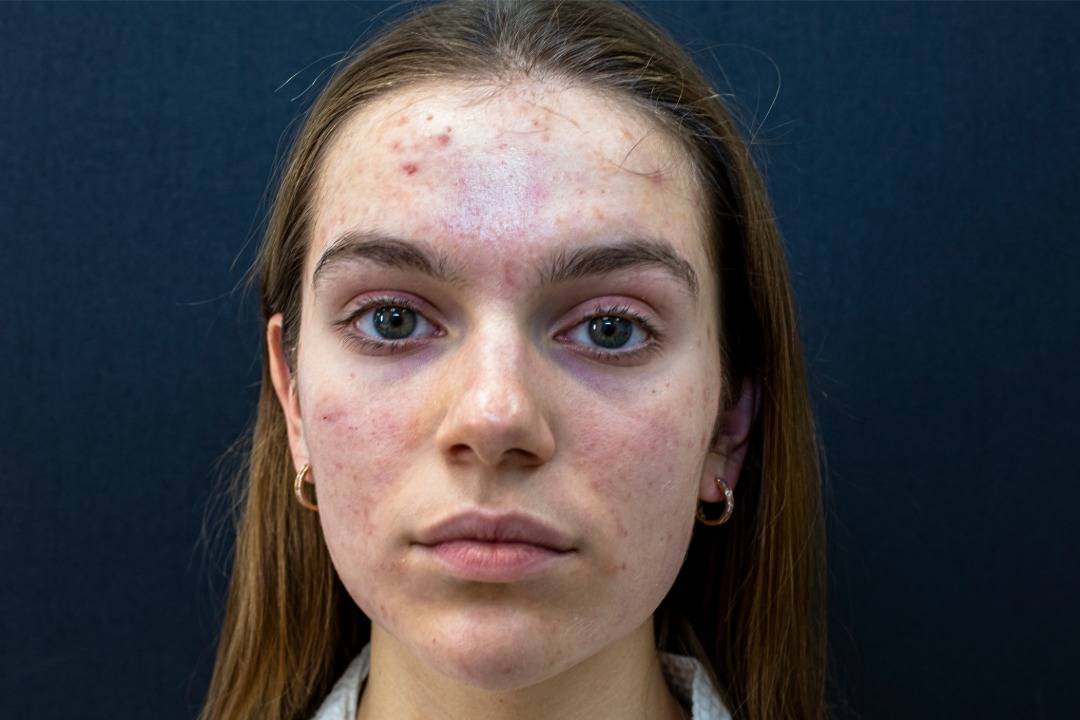
We’ve all looked in the mirror and wondered, “Why is this happening?” — a new pimple, a patch of dry skin, or a rash with no obvious trigger. While our skin care rituals help, what’s happening on the skin’s surface often tells a story about deeper imbalances. If you’re dealing with persistent or confusing skin problems, it’s worth exploring the internal factors that can drive those outward signs.
Below, I’ll walk through several common patterns — from shifting hormones to immune misfires, chronic illness, and stress — and how they show up on the skin. The goal isn’t to replace medical advice, but to help you see potential root causes that might otherwise be overlooked.
It’s no surprise that hormones are among the top suspects when skin acts out. The sebaceous glands in your skin respond to hormonal signals, particularly androgens (like testosterone). When those signals intensify, your skin can produce excess sebum (oil). That extra oil, combined with dead skin cells, can clog pores, creating a playground for Cutibacterium acnes and driving inflammation. That chain of events is a core mechanism behind acne vulgaris.
Adult women, in particular, often contend with what’s sometimes called “hormonal acne.” Androgenic hormones, diet, genetics, and insulin-like growth factor (IGF-1) combine to influence adult female acne. It’s a multifactorial problem — not just hormones in isolation. A paper examined how fluctuations in testosterone, androgen-to-estrogen ratios, and cortisol correlate with acne severity in women.
Clinically, dermatologists often turn to hormonal therapies when acne is severe, persistent, or clearly hormonally linked. This may include combined oral contraceptives, anti-androgens (like spironolactone), or topical agents that blunt androgen effects. One fairly recent large trial showed that spironolactone outperformed placebo in women with acne — and benefits continued to improve up to week 24.
Of course, hormones are always ebbing and flowing: puberty, menstrual cycles, pregnancy, perimenopause — they all bring shifts. So it’s not unusual for breakouts to track life stages or times of stress. The trick is discerning when a hormonal imbalance is more than normal fluctuation.
Skin issues like eczema, psoriasis, and chronic rashes often reflect immune dysregulation. Our immune system is designed to defend us, but when it misfires, it may attack—or overreact to—otherwise harmless situations.
This long-term condition is now understood to be an immune-mediated disease. The immune system, in its overenthusiasm, accelerates the turnover of skin cells. The result? Raised, scaly plaques often with a silvery sheen, typically on elbows, knees, and the scalp. While the precise triggers vary, infections, stress, certain medications, and skin injury often tip the balance.
Eczema is perhaps the poster child of skin immune dysfunction. The hallmark is a leaky, compromised skin barrier that fails to hold in moisture and guard against irritants and microbes. Behind the scenes, genetic variations, lipid deficiencies, and dysbiosis of the skin microbiome all contribute. Once the barrier is down, immune cells can overreact to even mild triggers—dust mites, fragrances, pollen, or certain fabrics. Over time, chronic inflammation and itch-scratch cycles make things worse and harder to control.
Because eczema involves both barrier dysfunction and immune activation, treatments tend to combine emollients and barrier repair with anti-inflammatory or immunomodulatory approaches.
Sometimes what looks like acne is more serious — a boil is one of those. Boils originate deeper in a hair follicle or gland, often triggered by Staphylococcus aureus bacteria. The skin becomes red, tender, and eventually forms a painful, pus-filled core.
Risk factors include friction (tight clothing), poor nutritional status, weakened immunity, or underlying conditions like diabetes. Recurrent or clustered boils are known as carbuncles or furunculosis, and often require clinical management (drainage, antibiotics, etc.).
One area that sometimes gets overlooked is underarm boils. Because of moisture, friction, and presence of apocrine glands, the underarm area can be a hotspot for infections in susceptible individuals. (If this is something you or a reader is facing repeatedly, specialists often look for local causes like shaving irritation, moisture control, or even underlying immunologic weakness.)
For some people, what seems like “constant boils” is actually hidradenitis suppurativa, a chronic inflammatory skin disease. HS typically appears in areas where skin rubs together — underarms, groin, buttocks, and under the breasts. It causes painful, pea-sized lumps that may rupture, drain pus, and leave scars. Unlike ordinary boils, HS isn’t just a matter of bacteria or hygiene. Research shows it’s linked to abnormal immune activity, genetics, and lifestyle factors like smoking and obesity.
Because HS is often mistaken for isolated abscesses or recurrent infections, diagnosis can be delayed by years. Yet early recognition matters: HS can progress over time, causing tunnels under the skin (sinus tracts) and significant scarring. Treatments range from antibiotics and anti-inflammatory drugs to biologic therapies that target the immune response.
Sometimes skin problems are more than skin deep. In fact, dermatologic signs may presage or accompany systemic diseases — and catching them early can make a big difference.
Persistently high blood sugar can wreak damage in many tissues — and skin is one of them. Diabetics frequently suffer dryness, itching (pruritus), and increased susceptibility to bacterial or fungal infections. In some cases, you might notice acanthosis nigricans — dark, velvety discoloration in body folds (like the neck or armpits) — which is itself a clue to insulin resistance.
Though gluten's effects are most famously gastrointestinal, for some people the immune response to gluten shows up on the skin. The classic dermatologic signal is dermatitis herpetiformis — an intensely itchy, blistering rash, often on elbows, knees, and buttocks. It’s considered a cutaneous manifestation of celiac disease, and in fact is strongly diagnostic for it. The Celiac Disease Foundation describes it as a definitive signal that gluten is driving systemic inflammation.
Your thyroid regulates many metabolic processes — including those that keep your skin healthy. If thyroid hormones dip (hypothyroidism), skin may become cool, pale, thickened, and extremely dry; hair may become coarse. On the flip side, hyperthyroidism can cause warm, sweaty skin, itchiness, and even urticaria-type rashes in some cases.
These aren’t always obvious or dramatic — but if your skin symptoms seem to resist standard dermatologic care, it’s worth checking thyroid panels, blood sugar, and a host of other systemic markers.
Finally, there’s the powerful connection between stress, emotional state, and skin health. When you chronically experience stress, anxiety, or depression, your body produces more cortisol — and that can promote inflammation, worsen barrier breakdown, and increase sebum production. In effect, stress can feed acne, psoriasis flares, eczema exacerbations, and more.
At the same time, dealing with visible skin issues is emotionally taxing. If you're self-conscious, anxious, or frustrated, that emotional burden can loop right back and amplify flare-ups — a kind of vicious cycle.
This mind–skin connection has been observed in countless dermatology and psychodermatology studies — stress management isn’t just optional, it’s essential.
Putting all of this together, here’s how one might approach chronic or puzzling skin issues more intentionally:
When you recover from a long bout of skin trouble, it isn’t just about a pretty face — it’s about restoring internal balance. And while every person is different, being curious about what’s underneath the surface, instead of just masking symptoms, often leads to more reliable, restful skin.
Your skin is talking. When you’re battling breakouts, dryness, or rashes, it’s worth questioning: what’s fueling this conversation? Is it hormones, immunity, deep infection, internal illness, or stress? Instead of trying yet another cream or serum, sometimes the most effective next step is a gentle pivot toward detective work.
As always: this post is meant to inform and explore, not substitute professional medical advice. If your skin is acting up in new, painful, or persistent ways, seeking assessment from a qualified provider is the best investment in your long-term skin health.
Comments (0)