The Advantages of Home-Based ABA Therapy to Children and Families
10 months ago 653

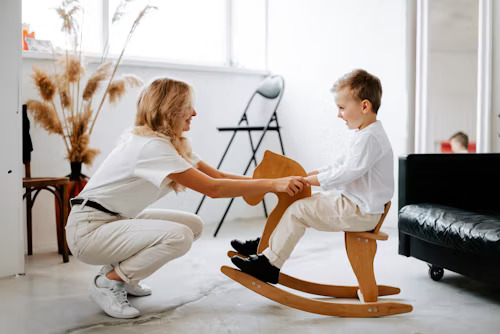
Applied Behavior Analysis (ABA) therapy has been around for decades as a proven strategy in assisting children with developmental disabilities, specifically autism spectrum disorder (ASD). Although ABA therapy has long been administered in the clinic or school setting, home ABA therapy is gaining popularity because it is family-focused, flexible, and individualized. Home therapy delivery has special advantages that can practically facilitate the progress of a child and engage families as well.
Home ABA therapy is a one-of-a-kind type of applied behavior analysis implemented within the home setting itself. The child and his family are served by a professional ABA therapist to implement customized behavior plans for developing skills, communication, social interaction, and living adaptively. Observing and working with the child within the home setting enables therapists to create effective approaches that can be used in daily living.
This method focuses on consistency, one-on-one care, and practice to real life, so the child learns what matters and is applicable to real life right away.
One of the biggest benefits of home ABA therapy is its individualized care. Home enables therapists to devote themselves completely to the child's individual needs, rate of learning, and mode of learning without distraction or constraints typically found in clinics or schools.
It is also cozy, hence it reduces tension and enables children to function more naturally. Most children with development difficulties learn better when they are in a setting where they are safe and secure. Comfort on average produces more learning and increased progress compared to under typical situations.
Learning in a controlled situation is acceptable, but applying the same to everyday life is another matter. Home ABA therapy allows generalization of skills, i.e., children learn to use new skills in everyday situations. For instance, a child learning communication skills may practice asking for food, toys, or help at home so learning is functional and transferable right away.
By applying therapy to every day like mealtimes, playtimes, and bedtimes, children are likely to be applying and rehearsing skills learned. Integration with therapy makes it not only a class intervention but learning for life.
Home ABA therapy is family-oriented in approach. Parents and caregivers are directly engaged in sessions, in which they are taught to apply desired skills and behaviors outside of non-therapy time. Parent engagement has numerous advantages:
Regular counseling and therapist training also teach families how to manage challenging behaviors and soak in success. This collaboration ensures that ABA therapy does not stay within weekly sessions but gets integrated into daily family routines.
Each child is different, and home ABA therapy understands that one-size will never fit all. Therapists use extensive assessments as they work to tailor individual treatment plans that consider the strengths, as well as the limitations, of the child.
Some of the plans are:
Therapists also continuously track progress and make adjustments as needed, making therapy dynamic, responsive, and productive.
Home ABA therapy provides unprecedented convenience and flexibility to families. Home therapy scheduling prevents the hassle of commutes, eases stress, and enables sessions to be integrated into family routines. Families can schedule session times to best meet their needs, whether mornings, afternoons, or weekends.
This adaptability is also helpful to children that might struggle to adjust to unpredictable surroundings or longer travel times. It is also helpful to families with several children or busy lives since weekly therapy will be easier.
Behavior issues can be addressed by therapists because they take place in the home setting. For instance, if a child is resistant to playing games with family members or having difficulty in maintaining sleep routines, direct instruction and reinforcement procedures can be provided by therapists quickly. Early on-the-spot intervention enables young children to acquire good behaviors at an early stage and enables parents to repeat the strategies.
Compared to clinic-based treatment, in which contrived conditions are all that can provide for observing behaviors, home-based ABA treatment challenges the real world to make interventions functional, appropriate, and effective.
Home ABA therapy exceeds school or clinic objectives. It addresses functional skills of living and independence, so the child feels secure to live everyday life. Dressing, eating, bathing, and doing household chores are some of the abilities that can be learned and practiced at home.
Development of these living skills at an early age promotes ultimate independence, minimizes frustration, and maximizes family and child feelings of achievement. These skills help children become good students not only in school but also throughout their entire life in the community.
Kids become more interested in learning when therapy is engaging and meaningful to their everyday experience. Play, spontaneous play, and everyday situations are utilized in home ABA therapy as a means of engaging children in learning. Intrinsic motivation is enhanced, self-esteem is boosted, and kids become active agents in changing for the better.
Positive reinforcement is one of the building blocks of ABA therapy, and its application in a home setting in comfort maximizes its effects. Children are also more likely to respond positively with appreciation, rewarding, and encouragement when in a comfortable and known environment.
Whereas home ABA is based on the home, therapists will usually work with schools, pediatricians, and other providers to enable a cohesive approach to the child. They all help provide consistency across settings and easy integration into other settings, i.e., classrooms or community programs.
By providing a single support system, children are exposed to ongoing assistance, maximizing the effectiveness of ABA treatment and ensuring long-term success.
If you are looking for ABA therapy services at home in North Carolina, we provide personalized, professional, and family-centered support to help your child build essential skills, improve independence, and thrive in their daily life.
Home ABA therapy is a powerful, family-centered method of treatment for developmental disability. It provides a huge collection of advantages: home-based instruction, customized instruction, increased family participation, generalization of functional skills, convenience, and direct behavior support.
With home therapy, parents are now directly involved in the development of their child, promote independence, and see tangible progress on a daily basis. For kids, learning at home is cozy, secure, and applicable and therefore more effective and gratifying.
Finally, home ABA therapy isn't therapy at all—it's a collaborative effort of therapists, children, and family members who come together to create growth, confidence, and life-long skills. Families who have arrived at this solution discover that the payoff goes far beyond the therapy itself and is actually a stepping stone along the path to an independent, brighter tomorrow.
Comments (0)