How Improper Loading in Truck Accidents Can Cause Long-Term Musculoskeletal Damage
12 months ago 749

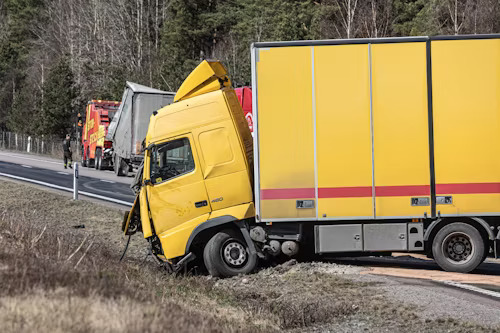
When people hear about truck accidents due to improper loading in Winter Haven, their first thought is often about traffic congestion or legal consequences. However, one of the most overlooked aspects is the lasting medical impact, particularly musculoskeletal injuries. These injuries affect the body’s bones, joints, ligaments, muscles, and connective tissue, and they can significantly reduce quality of life long after the accident scene has cleared.
Improper loading of cargo isn’t just a regulatory violation—it’s a serious safety hazard. When weight distribution is uneven or cargo is unsecured, trucks become unstable, making them far more likely to tip, jackknife, or lose control. In Winter Haven, where busy highways and local transport routes are constantly active, the risks of these accidents are real and immediate. Beyond the collision itself, victims often face long-term health challenges that extend well into the future.
A properly loaded truck maintains balance and stability, allowing drivers to control the vehicle even in sudden stops or turns. Improperly loaded trucks, however, create unpredictable forces that increase the risk of accidents:
These conditions not only endanger the truck driver but also put nearby motorists at risk. When collisions occur, the sheer size and weight of a truck amplify the injuries sustained by those involved.
In truck accidents, passengers and drivers alike are often exposed to tremendous impact forces. Victims commonly experience:
While some injuries may appear minor at first, the musculoskeletal system is complex. Damage that isn’t treated promptly can lead to chronic pain, reduced mobility, and long-term disability.
One of the major reasons truck accidents due to improper loading in Winter Haven are so concerning is the potential for permanent musculoskeletal damage. The aftermath can include:
Accidents often cause herniated discs or spinal misalignments. Even with treatment, lingering pain may become part of a victim’s daily life.
Injuries to joints can accelerate the development of arthritis, leading to stiffness, swelling, and decreased mobility years after the initial trauma.
Scar tissue from soft tissue injuries often limits flexibility. This can affect basic activities like bending, lifting, or even walking long distances.
When certain muscles or ligaments heal incorrectly, it can lead to poor posture and imbalances in movement, placing further strain on the body.
Spinal injuries may compress nerves, causing tingling, weakness, or numbness in the arms and legs. These symptoms often persist despite physical therapy.
Treating musculoskeletal injuries requires a multidisciplinary approach:
Unfortunately, recovery is not always complete. Many survivors live with permanent limitations, which affect their ability to work, exercise, and enjoy daily activities.
Musculoskeletal damage isn’t just physical. Living with chronic pain or disability often leads to depression, anxiety, and post-traumatic stress disorder (PTSD). Patients may struggle with dependence on caregivers or face financial stress from medical bills and lost wages.
The combination of physical and mental challenges underscores the seriousness of truck accidents due to improper loading in Winter Haven. These incidents are not just traffic concerns—they are public health issues.
While medical professionals work to treat victims, prevention is equally important. Key measures include:
Preventive action not only saves lives but also reduces the long-term healthcare burden caused by musculoskeletal injuries.
Anyone involved in a truck accident should seek immediate medical evaluation, even if injuries seem minor. Musculoskeletal trauma often develops over time, and early diagnosis can prevent long-term complications.
At the same time, victims may also need legal guidance. Medical treatment, rehabilitation, and lost wages can create overwhelming financial strain. Understanding legal rights can help secure compensation for ongoing medical care and other damages.
Improper loading is more than just a trucking error—it’s a public safety hazard with lifelong consequences. Truck accidents due to improper loading in Winter Haven often leave victims facing severe musculoskeletal damage that alters every aspect of their lives.
By focusing on prevention, immediate medical response, and long-term rehabilitation, communities can reduce the burden of these accidents. And for those already affected, awareness of both medical and legal options can make the difference between ongoing suffering and the possibility of recovery.
Comments (0)