Why Colonoscopy Screening Is Recommended Even Without Symptoms
10 months ago 803

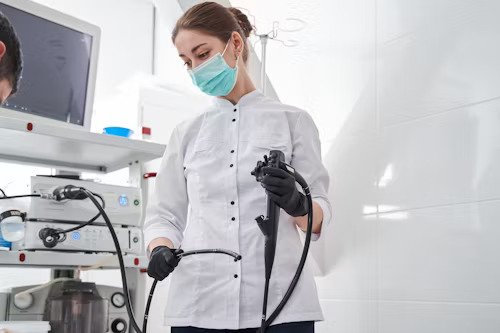
Colon cancer can start without pain or clear signs at first. A lot of people feel good, so they think they are healthy. But small lumps may grow inside the colon even when there are no problems. It may be harder to get treated if you wait until signs show up. A colonoscopy helps doctors find these small changes early and stop the sickness from getting worse.
When you know how important it is to catch colon cancer early, you can decide to do things that help keep you healthy and bring down your risk for big health issues. It is important for all of us to be aware and go in for check-ups. This is how you can get the best safety for your health for many years.
Colon cancer can start with small polyps. These are hard to see and do not cause pain. It is very important to find them early. If these growths stay in, they could turn into bad tumors later. A colonoscopy lets doctors look at your whole colon. They can take out polyps before they hurt you.
A person may feel good and have no signs, but still have these hidden risks. Getting checked early with a colonoscopy helps stop problems and gives some peace of mind. You can feel safer in the future. Doctors say this is a good step for all grown-ups. It is needed even if you feel fine and do not have any signs or pain.
Routine screening helps find colon cancer early. Treatment works better at this stage. Key points include:
Family history plays a big part in colon cancer risk. If you have close family members who have had colon cancer, you can get it too. Even if you feel fine and have no signs, you still get help from having an earlier and regular colonoscopy. This testing finds out if you have family risks and helps you take steps before any big problems start.
Knowing about genetic risk helps people keep checking their health and act fast. It brings down the risk of getting advanced disease and helps to keep you well for a long time.
Teaching people about colonoscopy and colon cancer helps more people take part in screening programs. When the community knows why early checks matter, their health gets better. Knowing about it also makes people less afraid and helps them feel that colonoscopy is for stopping problems before they begin, not for handling sickness after it comes.
Sharing clear and right information lets everyone feel okay about having regular scans. If more people know, there will be fewer hold-ups, quicker finding of issues, and colon cancer will go down for all.
Getting help from a professional means your colonoscopy test will be safe and will ensure the test works well. Here are the main things to know:
Taking steps early with a colonoscopy helps you stay safe from colon cancer. Some growths can come up with no signs, but finding and removing them soon helps stop bad things from happening. Doing something to stop problems now means you, your family, and others can have good and safer years. The colonoscopy acts like a guard for your health. It finds risk early and gives people their best shot to keep away from colon cancer if they keep getting checked.
Comments (0)